OMV Deal Links Danish Kassø E-Methanol to German Biodiesel Supply Chain
OMV has agreed to source e-methanol associated with Kassø in Denmark for use in a German biodiesel supply chain. The cross-border arrangement tests the role of renewable methanol in existing transport-fuel production, but the disclosed material provides no volumes, delivery schedule or pricing.
A cross-border renewable-fuel link
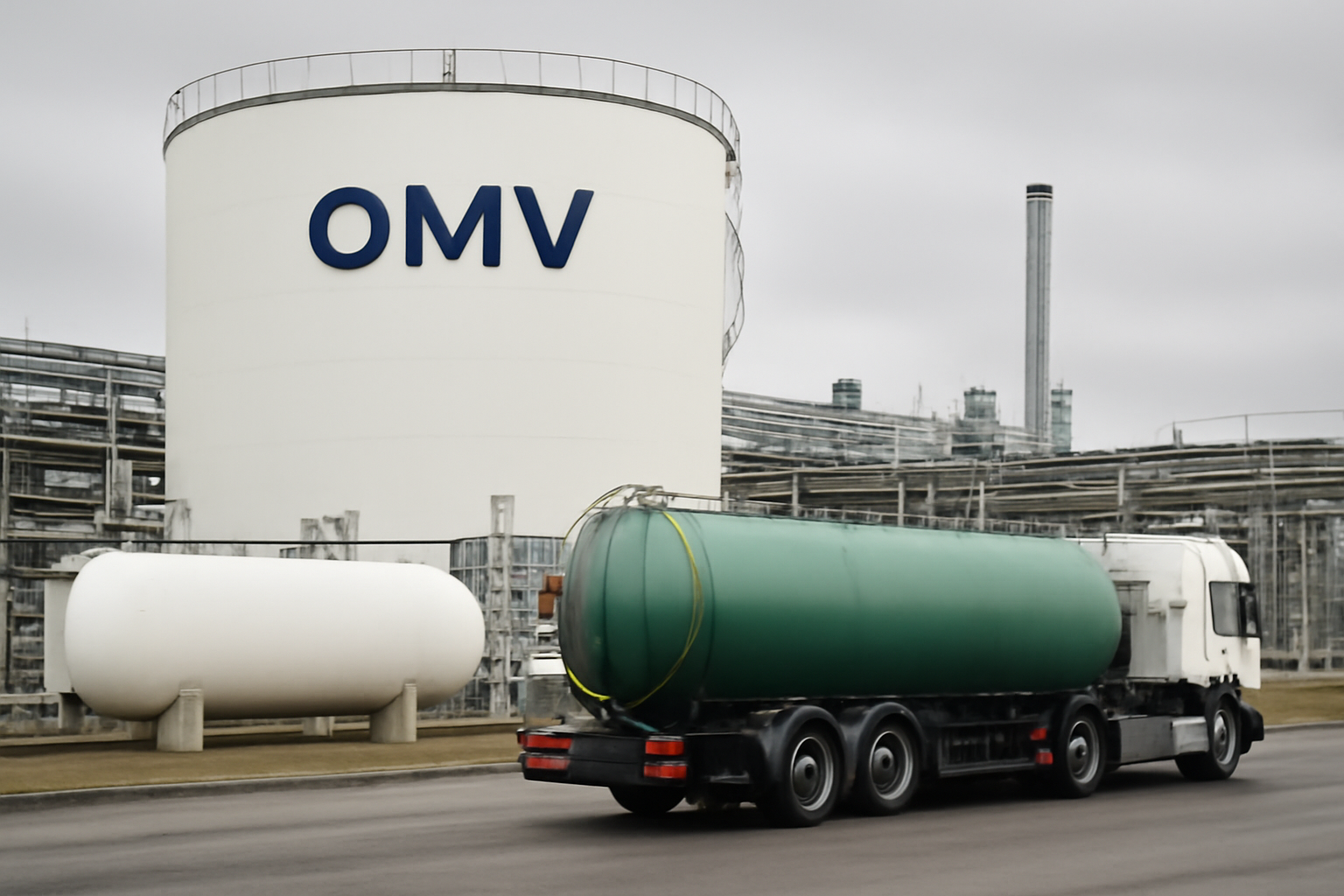
OMV has agreed to bring e-methanol associated with Kassø in Denmark into a German biodiesel supply chain. The contract creates a direct commercial link between Danish renewable-methanol production and a German transport-fuel operation, showing how e-methanol can enter an established industrial process rather than being sold only as a finished fuel.
The disclosed information does not identify the contracted volume, the start or duration of deliveries, or the price formula. It also does not quantify how much biodiesel production will be covered. Those omissions limit any assessment of the agreement’s immediate market weight, but the intended application is clear: e-methanol will become an input in a German biodiesel chain.
Why the biodiesel application matters
Methanol is used as a process input in conventional biodiesel production. Replacing fossil-based methanol with e-methanol can therefore address part of the fuel’s production footprint without requiring the final product to become methanol itself. For biodiesel producers, this offers a route to introduce renewable inputs into plants and supply relationships that already exist.
The contract also broadens the commercial case for e-methanol. Shipping and direct methanol-fuel applications often dominate discussion of the product, but industrial demand can provide another outlet. A biodiesel supply chain may value e-methanol for its renewable origin even when methanol is not the finished product delivered to transport customers.
Scale and economics remain open
The main unanswered question is scale. Without a contracted tonnage or a share of OMV’s relevant requirements, the deal cannot yet be compared with the broader German methanol or biodiesel markets. It could represent a limited qualification batch, a recurring supply stream or a larger substitution programme; the available material does not establish which.
Economics are equally important. No contract price, premium or cost-sharing arrangement has been disclosed. E-methanol must compete with conventional methanol as an industrial input, while its commercial value depends on whether customers and regulators recognise the lower-emission production route. Transport rules, sustainability certification and emissions accounting will therefore influence whether similar contracts can move beyond initial volumes.
A test for European supply chains
The Denmark-to-Germany route highlights the cross-border character of Europe’s emerging renewable-fuels market. Production can be located where renewable electricity and project infrastructure are available, while demand comes from established processing centres elsewhere. Traders and logistics providers must connect those points while maintaining the documentation required for renewable claims.
For producers, the contract offers evidence of demand outside direct fuel use. For biodiesel processors, it tests whether a renewable process input can be integrated on commercially workable terms. The next meaningful indicators will be delivery volumes, contract duration and the resulting contribution to biodiesel production. Until those details emerge, the Kassø agreement is best viewed as a practical supply-chain test rather than proof of large-scale replacement of conventional methanol.