Oishii Farm starts indoor strawberry factory in Hamura, Japan
Oishii Farm has started an indoor strawberry plant factory in Hamura, expanding a vertical-farming model first developed in the United States. The company has reduced its retail price from $50 per pack in 2018 to $7.99 and now sells across 18 US states and one Canadian province.
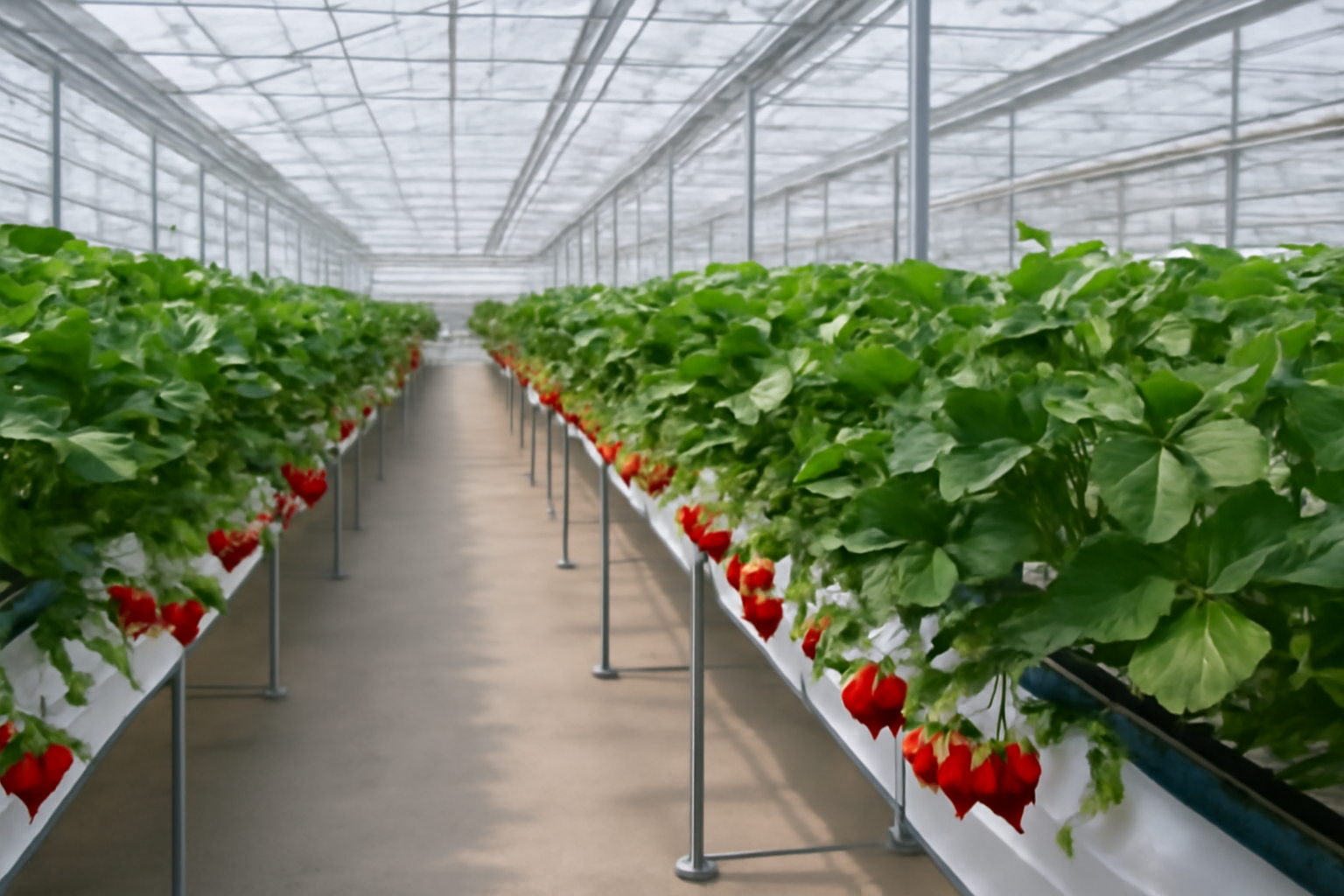
New strawberry production site starts in Hamura
Oishii Farm has started operations at an indoor strawberry plant factory in Hamura, Japan, extending a production model that the company has developed in North America. The project brings the business back to Japan after its launch in the United States and supports its stated ambition to build a globally competitive industry originating in Japan.
The Hamura facility adds another production base for a company focused on growing high-quality strawberries under controlled indoor conditions. Plant factories allow operators to manage the cultivation environment rather than depend entirely on outdoor weather and seasonal cycles. For strawberry producers, however, commercial viability also depends on controlling the capital, energy and operating costs associated with indoor production.
From New Jersey start-up to Mega Farm
Oishii Farm was founded in New Jersey in 2017. The company says it became the first business in the world to achieve mass production of high-quality strawberries in a plant factory. In 2024, it brought its Mega Farm, described as one of the world’s largest plant factories, into full operation.
That expansion provides important context for the Hamura launch. Strawberry cultivation is technically demanding because growers must manage plant development, fruit quality and pollination while maintaining consistent output. Moving from a premium pilot product to larger facilities therefore tests whether controlled-environment agriculture can deliver repeatable quality at a commercially relevant scale.
Lower prices broaden the addressable market
Oishii Farm’s retail pricing has declined substantially as its production system has expanded. A pack sold for $50 in 2018, compared with $7.99 now. The reduction does not make indoor-grown strawberries equivalent to every conventional product, but it narrows the gap between a luxury item and a product that can reach a wider group of consumers.
The company’s sales footprint now covers 18 US states, mainly on the East Coast, as well as one Canadian province. This distribution base shows that Oishii has moved beyond a single local market, although the available information does not disclose the Hamura plant’s capacity, investment, start-up output or intended sales channels. Those figures will determine the facility’s effect on Japanese strawberry supply and whether it serves domestic consumers, export markets or both.