Oil Whipsaws on Iran War Risk as Goldman Warns of More Commodity Shocks Ahead
Oil prices spiked on fears of a widening Iran conflict before retreating after President Trump suggested the war could end soon, while gold also fell back. Goldman Sachs says the episode is a preview of a new era in which power grids and metals like copper, lithium and aluminum — not just oil — become the source of sudden price shocks.
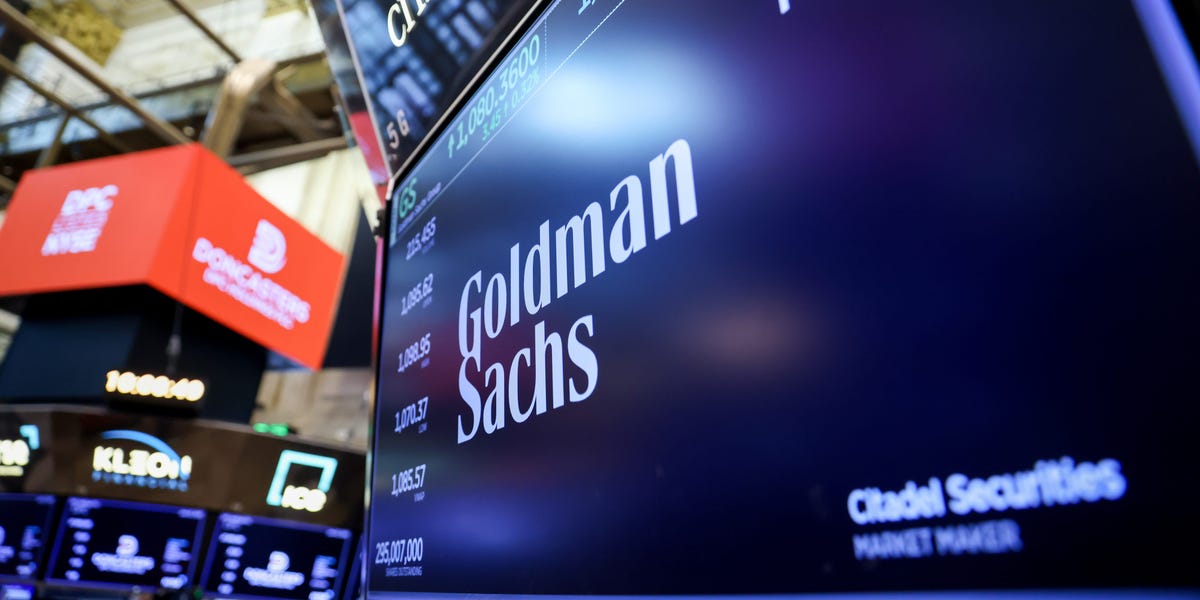
Crude Swings Between War Risk and Ceasefire Hopes
Global oil markets went through a sharp round trip this week as the Iran conflict jolted commodity trading. Reuters reported that oil "soared then retreated" while gold also dropped as the war rattled markets, reflecting how quickly sentiment shifted on headlines out of the region. Prices later moved lower after President Trump said the war could end soon, according to the Wall Street Journal, underscoring how sensitive crude remains to diplomatic signals as much as to actual supply disruptions.
Demand Destruction Enters the Debate
The New York Times reported that as oil prices spiked, talk of "demand destruction" set in among traders and analysts — the idea that sufficiently high prices could curb consumption enough to cap further gains. That framing marks a shift from earlier concern focused purely on supply risk from the conflict, toward questions about how much of a price shock the global economy can absorb before demand itself starts to buckle.
Goldman Sachs: Iran Is a Preview, Not the Main Event
In a note issued Sunday, Goldman Sachs analyst Samantha Dart and her team argued that the era of commodity shocks will persist even after the current Iran-driven oil disruption fades from memory. Goldman said commodity demand is increasingly being driven less by oil and more by metals tied to other fast-growing sectors of the economy.
- Rising EV demand, which Goldman has flagged as a headwind for oil prices given surging global sales volumes through 2026
- Further investment in renewable power generation and grid infrastructure
- Potentially larger defense spending
- Growing competition tied to the AI buildout
Goldman said these themes are "highly supportive of power, copper, lithium and aluminum demand," but warned the same dynamics that make those markets bullish also leave them exposed to fresh supply shocks.
Metals and Power Emerge as New Fault Lines
According to Goldman, surging demand for power combined with bottlenecks in key supply chains could produce large price swings, particularly in metals, given that power infrastructure can face capacity constraints and metals refining remains highly concentrated geographically. Dart's team said this could shift the historical reputation for driving inflation away from oil and gas and toward commodities such as electricity, gold and industrial metals like copper and lithium, which could become more prone to sudden, sharp price spikes.
Goldman pointed specifically to copper, where demand tied to AI data center construction, EV production and power grid needs has already pushed prices to record highs in late 2025, with supply potentially unable to keep pace. The bank's broader conclusion, echoed in the framing used by CEPR and TD Economics in their own analyses of why geopolitical oil shocks hit harder and how 2026's energy shock differs from past episodes, is that markets should brace for a period combining rising prices with slower growth. Goldman recommends a diversified commodity basket, excluding precious metals, as the most reliable hedge, arguing that because the timing and source of the next disruption are inherently unpredictable, broad exposure offers better protection than trying to pick the next flashpoint.