Oil rises 2% as Middle East supply risks return and Europe tensions escalate
Brent rose 2.1% to $89.70 a barrel and WTI gained 1.6% to $83.53 as hopes for renewed US-Iran diplomacy faded. Restricted traffic through the Strait of Hormuz and rising Russia-West tensions kept geopolitical risk embedded in oil prices.
Brent returns toward $90
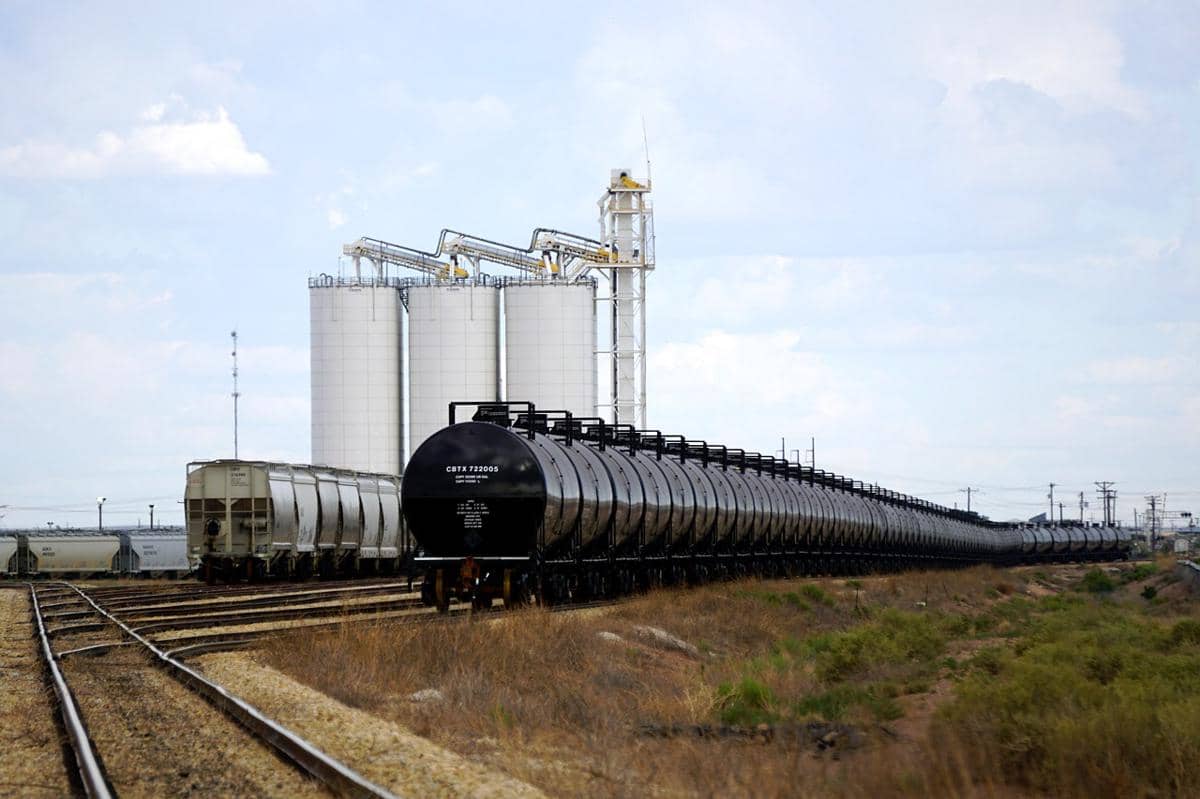
Oil prices rebounded after three consecutive declining sessions as traders again priced in the possibility of disrupted Middle Eastern supply. Brent futures closed 2.1%, or $1.86, higher at $89.70 a barrel on Thursday, August 27, 2026. US West Texas Intermediate rose 1.6%, or $1.30, to $83.53 a barrel.
Fortune Indonesia, citing Reuters, reported that the move followed signs that the administration of US President Donald Trump was not interested in reviving provisions of an agreement reached with Iran in June. Washington also confirmed that it was not holding direct talks with Tehran, while Trump said his administration was not seeking a meeting.
The loss of diplomatic momentum reduced expectations that more oil could flow from the Middle East. UBS analyst Giovanni Staunovo attributed the market adjustment to limited progress in the talks and continuing restrictions on supply flows. Washington has chosen to maintain economic pressure on Iran and has warned countries conducting transactions with it that they could face sanctions.
Hormuz traffic remains below average
The Strait of Hormuz remains the central physical risk for the energy market. Before the conflict began in late February, about one-fifth of the world’s daily oil and liquefied natural gas supply passed through the waterway, according to the source material.
Shipping activity has improved from its low but has not returned to recent norms. Kpler data showed that 10 commodity vessels crossed the strait on Wednesday, compared with a 10-day average of 15. The vessels included fuel tankers, asphalt tankers and bulk carriers. Earlier discussions between Iran and Oman about a temporary corridor had supported hopes of normalization, but expectations for reopening have since weakened.
Diplomatic mediation is continuing. Qatar’s prime minister visited Tehran on Thursday, shortly before the conflict involving the United States, Israel and Iran reached the six-month mark. Iranian security official Mohsen Rezaei nevertheless warned that Tehran could target US military and economic interests if Washington took hostile action during discussions with Qatari officials.
Kuwait recovery offsets part of the risk
Some regional processing capacity is returning. Kuwait Integrated Petroleum Industries Co. has restarted three crude-processing units at the 615,000-barrel-a-day Al-Zour refinery, which was targeted by an Iranian drone attack in May. Consultancy IIR said that all three units were operating at about 60% of capacity as of August 19. The restart offers partial support to Gulf fuel production, but it does not remove the wider transport risk surrounding Hormuz.
Europe added a second source of uncertainty. Moscow warned of possible attacks against British military targets inside or outside Ukraine after Ukraine used British-supplied long-range cruise missiles against Russian territory. Trump said Russian President Vladimir Putin would not attack a NATO member and dismissed concerns about a possible Russian strike on Britain. The Wall Street Journal reported that oil strengthened as market attention shifted toward higher Russia-Ukraine tensions. With Brent again approaching $90, price volatility remains tied to both constrained Gulf shipping and the absence of progress between Washington and Tehran.