Oil rises and gold falls as Middle East tensions return
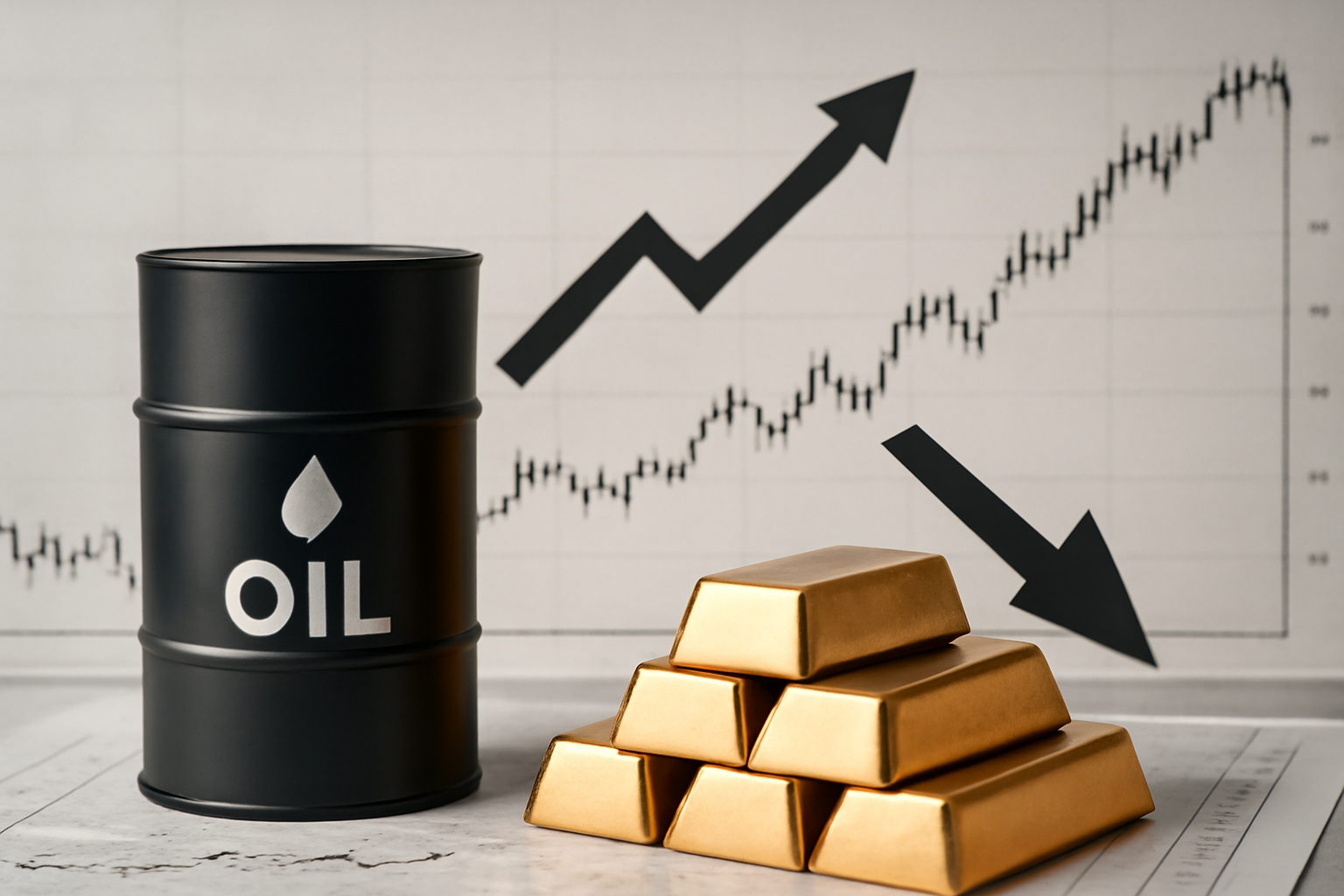
Energy, agricultural and industrial commodity prices rose during the 11-18 July trading week as tensions in the Middle East intensified again. Oil advanced sharply, while gold moved in the opposite direction and recorded a steep decline.
Energy leads a broad commodity advance
Global commodity markets recorded widespread gains during the trading week from 11 to 18 July, according to Đầu tư Chứng khoán. Energy, agricultural commodities and industrial raw materials all moved higher as tensions in the Middle East intensified again. Oil was the clearest beneficiary, posting a sharp increase over the period, while gold diverged from the broader market and fell steeply.
The contrasting moves placed geopolitical risk back at the centre of commodity trading. For energy companies, refiners and physical traders, renewed instability in the Middle East raises attention to the security and continuity of regional supply. The source material does not identify the countries involved, report disruptions to production or transport, or provide weekly price levels. The market response therefore reflects a renewed risk assessment rather than a documented loss of supply.
Agriculture and industrial materials gain
The rally extended beyond energy. Agricultural commodities and industrial raw materials also registered strong increases during the week, indicating that buying was spread across several parts of the commodity complex. The available report does not specify individual crops, metals or industrial products, making it impossible to determine whether those gains were driven by the Middle East situation alone or by separate fundamentals in each market.
That distinction matters for producers, processors and importers. An oil rally can raise fuel, freight and processing costs across agricultural and industrial supply chains even when the underlying commodity remains adequately supplied. Exporters may benefit from higher selling prices, but processors and downstream buyers face greater input-cost exposure. Without individual price data, the scale of that pressure cannot be quantified from the supplied material.
Gold breaks with the wider trend
Gold’s steep decline was the main exception to the week’s upward direction. The move is notable because heightened geopolitical tension can sometimes support demand for defensive assets. In this case, however, the report states that gold fell on the same renewed Middle East tensions that accompanied gains elsewhere. No price, percentage change, currency movement or interest-rate development was included in the supplied information, so the precise mechanism behind the sell-off remains unclear.
For commodity-market participants, the week produced two separate signals. Oil and other physical commodities received support as geopolitical concerns returned, increasing the importance of monitoring energy supply and logistics. Gold did not provide the same directional response, showing that geopolitical headlines alone were not sufficient to lift the precious metal. Traders will need additional information on actual supply conditions, financial-market positioning and product-level price movements before judging whether the week marked a durable change or a short-lived reaction.
Full market analysis