Oil nears $100 after OPEC+ keeps October production unchanged
Crude oil moved close to $100 after OPEC+ decided not to increase production in October. The decision puts renewed pressure on oil-importing economies, including India, while supporting producers through tighter supply expectations.
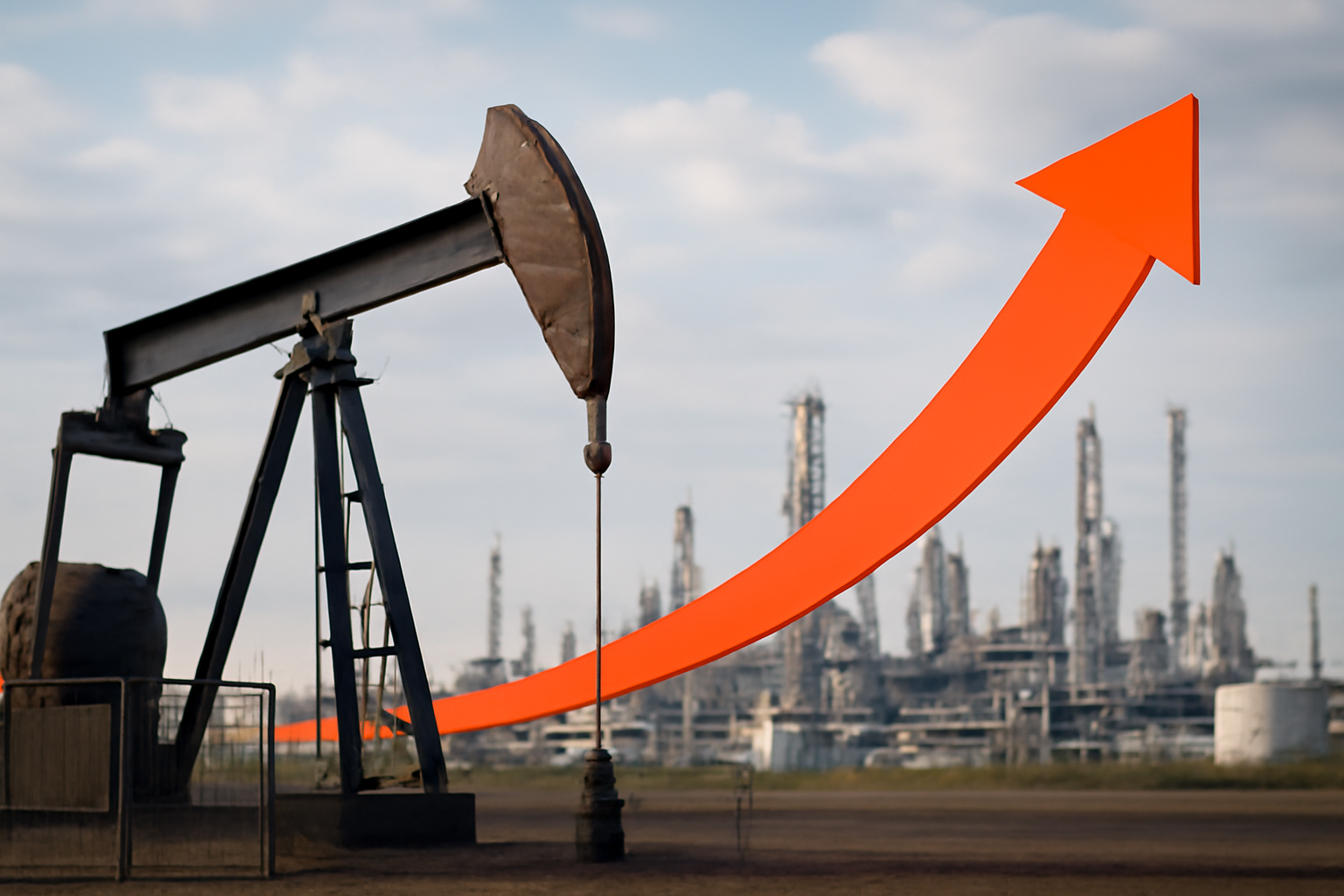
OPEC+ decision lifts crude prices
Crude oil moved close to $100 after OPEC+ countries decided not to increase production in October. Prices rose on Monday as the market absorbed the prospect that additional supply would not arrive from the producer group during the month.
The decision gives OPEC+ members more control over the amount of crude entering the market. For producers, keeping output unchanged can support prices and petroleum revenue. For refiners, traders and importing countries, the same policy raises the cost of securing barrels and increases uncertainty around near-term supply.
Importing economies face higher costs
The move is particularly relevant for economies that depend heavily on imported crude. India is among the markets exposed to the price increase because changes in the international cost of oil can affect the value of its energy purchases. A price approaching $100 means importers must commit more money to obtain the same volume of crude unless they reduce consumption, draw on inventories or secure cheaper grades.
Higher crude prices also change the calculations of refiners. Their results depend on whether prices for fuels and other petroleum products rise quickly enough to offset more expensive feedstock. Traders must account for wider price risks between the purchase of crude, its delivery and the eventual sale of refined products.
The impact does not stop at the refinery gate. Oil is a major input for transport and industrial activity, so a sustained increase can feed into operating costs across an importing economy. The eventual effect on consumers depends on domestic pricing policies, taxes, exchange rates and the ability of companies to absorb higher costs. No figures for those factors were included in the available source material.
Supply discipline reshapes energy flows
OPEC+'s choice to hold October production steady signals that the group is not responding to the price rise with an immediate supply increase. That can encourage buyers to compete more actively for available cargoes and examine alternatives outside the group. However, the available material does not specify production volumes, country-level quotas or the size of the price increase, limiting any calculation of the resulting supply gap.
For producers outside OPEC+, a price near $100 can improve the commercial appeal of additional output where capacity is available. Importers may also reconsider purchasing schedules, crude grades and supplier mixes. Such changes can redirect trade flows even when total consumption remains stable, because buyers place greater weight on freight costs, refinery compatibility and the delivered price of each barrel.
Market attention turns to duration
The central question for the oil market is how long unchanged OPEC+ production and elevated prices will persist. A short-lived rise would mainly affect spot purchases and immediate trading positions. A longer period near $100 would create broader consequences for refinery margins, procurement budgets and energy costs in importing economies.
Without details on later production policy, demand or inventories, the durability of the rally remains uncertain. The confirmed development is narrower but significant: OPEC+ did not increase October production, and crude responded by climbing close to $100. Producers, refiners and importers must now manage the price exposure created by that decision.