Oil continues through Hormuz as covert Gulf shipments help contain prices
Middle Eastern producers are moving more oil through the Strait of Hormuz than many traders estimated, using vessels with limited tracking and ship-to-ship transfers near Oman. The flows have helped keep Brent futures mostly between $80 and $90 per barrel in August, despite attacks on commercial shipping.
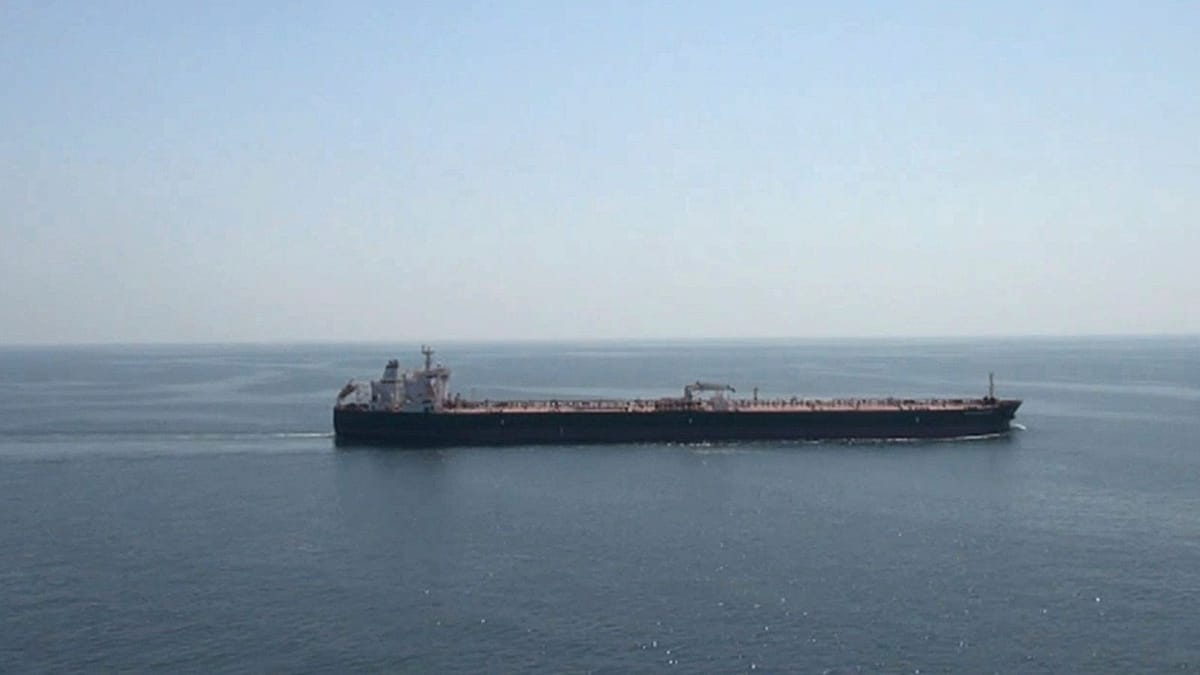
Flows exceed market estimates
Middle Eastern producers are continuing to move substantial volumes of crude oil through the Strait of Hormuz despite the Iran war and repeated attacks on shipping. Sources familiar with the operations told Bloomberg that covert passages through the strait, followed by transfers to tankers stationed in the Gulf of Oman, are running at a faster pace than the market had assumed.
The sources said the operations are carrying more than the estimated 4 million barrels per day, although the precise volume remains unknown because many vessels disclose little location information or switch off their tracking transmitters. Before the war, about 20 million barrels per day crossed Hormuz, equivalent to roughly one-fifth of global oil supply. US Energy Secretary Chris Wright said last week that approximately 9 million barrels per day had passed through the strait during the preceding seven days, near the top of traders’ estimates and almost half the pre-war level.
Hidden trade helps cap Brent
Traders and analysts say the continuation of these high-risk exports is one reason Brent futures remained mostly between $80 and $90 per barrel during August. At the start of the conflict, some market participants had prepared for prices of $150 per barrel if fighting persisted into the summer. Covert shipments, alternative pipelines, releases from oil reserves and weaker demand in several markets have together limited the impact on global supply.
Ship-tracking information compiled by Bloomberg, Kpler and Vortexa indicates that crude from the United Arab Emirates, Iraq, Qatar and Kuwait has moved through Hormuz under these arrangements. European Union satellite data show about 150 vessels, ranging from very large tankers to bulk carriers, positioned or waiting near Oman, compared with roughly 40 in January. Many are awaiting cargoes from ships entering or leaving the strait without transmitting their positions.
Volumes carry mounting human and operational risks
ADNOC said it has sold about 135 million barrels of crude to customers worldwide and began another round of cargo sales last week. The company also reported that 23 of its vessels had been attacked while crossing Hormuz since the conflict began, leaving one person dead and 20 crew members injured. Asian buyers said attacks sometimes delay deliveries, although the disruptions have generally been brief.
Saudi Arabia has not yet moved comparable volumes through covert offshore transfers, but activity is increasing. Two vessels were seen loading at Ras Tanura last week, while Bahri has positioned tankers near Oman. The area now holds 16 very large crude carriers, with three more expected, providing combined capacity of about 38 million barrels. Saudi Aramco declined to comment and Bahri did not respond. The continuing flows have reduced the immediate risk of a severe supply shock, but insurers are receiving sustained requests for Gulf marine cover, while fatalities, attacks and oil slicks show that stable prices are being maintained through an unusually dangerous logistics system.