Odisha Raises Milk Procurement Price by ₹2 per Litre From September 11
Odisha has announced a ₹2-per-litre increase in the price paid to milk producers, effective September 11. The measure will support dairy farmers but may raise processors’ input costs, leaving open the possibility of higher retail milk prices.
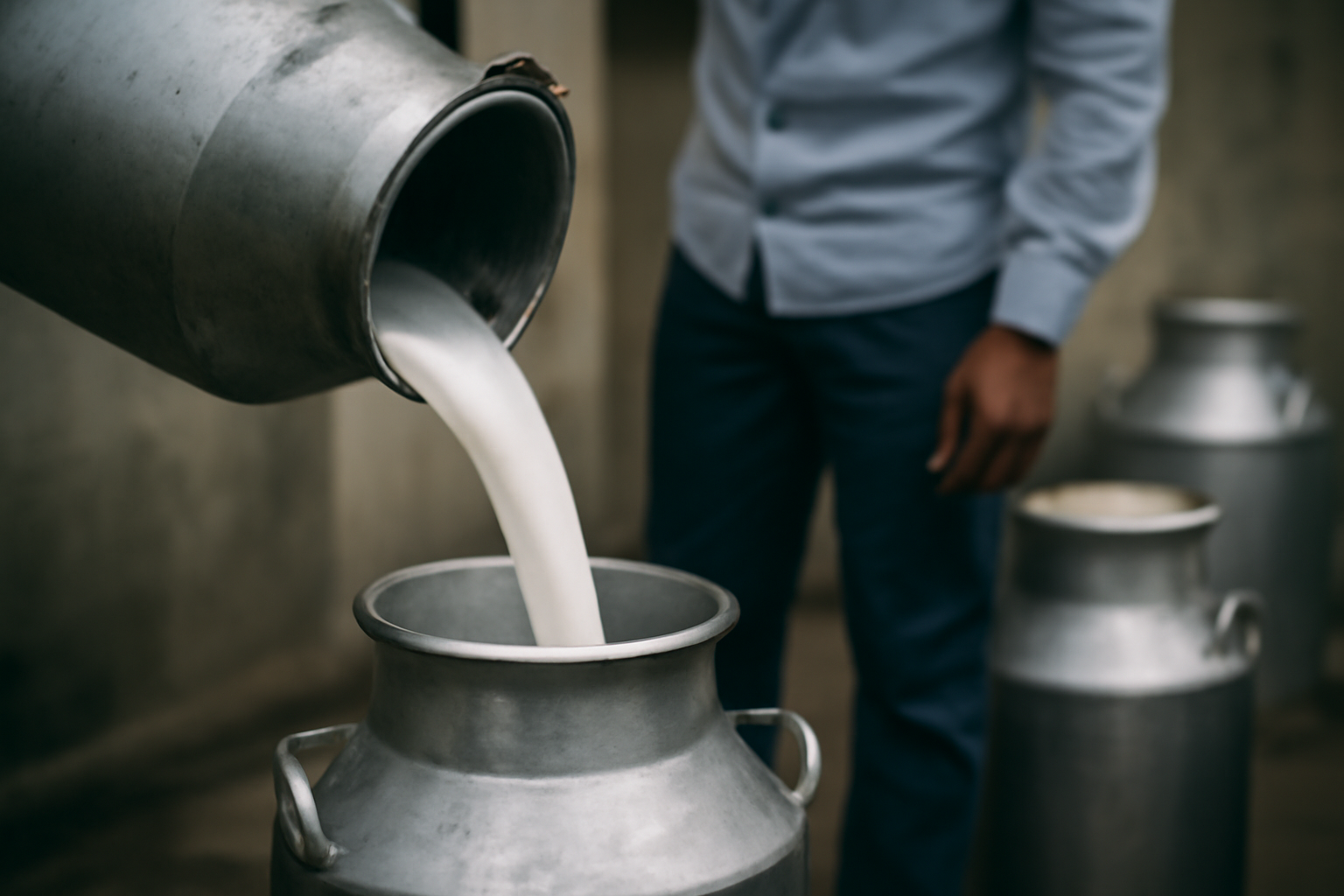
Higher payment for milk producers
Odisha has announced a ₹2-per-litre increase in the procurement price paid to dairy farmers. The revised price will take effect on September 11, giving producers in the eastern Indian state a higher return for every litre of milk supplied to buyers.
The announcement directly addresses farm-level earnings rather than setting a new consumer price. For dairy households, the increase provides additional revenue without requiring an immediate rise in production. Its total benefit to individual farmers will depend on the volume of milk they supply through procurement channels.
Processors face a higher raw-material bill
For dairy processors and procurement organisations, the decision increases the cost of obtaining raw milk by ₹2 per litre. Businesses will have to decide whether to absorb that increase, offset it elsewhere in their operations or pass some of it through to customers. The effect will vary according to procurement volumes, product mix and the capacity of each buyer to manage the additional expense.
The September 11 implementation date gives market participants a defined point from which the higher purchase price applies. Processors selling packaged milk or using raw milk in other dairy products will need to account for the revised cost in their pricing and production decisions. The available information does not specify whether the government has announced financial support for buyers or a corresponding change in retail prices.
Retail impact remains uncertain
A higher procurement price does not automatically produce an equal increase at the shop counter. Retail prices also reflect processing, packaging, transport and distribution costs, as well as commercial decisions by dairies and sellers. Some operators may protect sales volumes by absorbing part of the increase, while others may conclude that their margins cannot accommodate the full additional cost.
Consumers should therefore not assume that milk will become exactly ₹2 per litre more expensive on September 11. No confirmed retail increase was included in the information provided. The immediate and measurable change is the additional ₹2 per litre due to producers; any consumer-price response will depend on how processors and retailers distribute that cost.
Implications for Odisha’s dairy market
The policy shifts a larger share of milk-sector revenue toward farmers at the procurement stage. That may improve the economics of supplying organised buyers and strengthen producer income, particularly for households whose earnings depend heavily on daily milk sales. However, the announcement provides no production, procurement-volume or farmer-participation figures, so the aggregate financial impact cannot yet be calculated.
For processors, the central issue is margin management from September 11. For farmers, it is whether the full increase reaches them consistently through the procurement system. For consumers, the key question is whether dairies revise retail prices after assessing the higher raw-milk cost. Until buyers publish their pricing decisions, the farm-gate benefit is clear but the retail outcome remains unresolved.