Novosibirsk leads Siberia in watermelon imports as regional volumes surge
Novosibirsk Region imported about 6,400 tonnes of watermelons this summer, making it Siberia’s leading entry point. Siberian imports exceeded 12,000 tonnes in the first half of 2026, while phytosanitary officials inspected 21,800 tonnes in Novosibirsk Region.
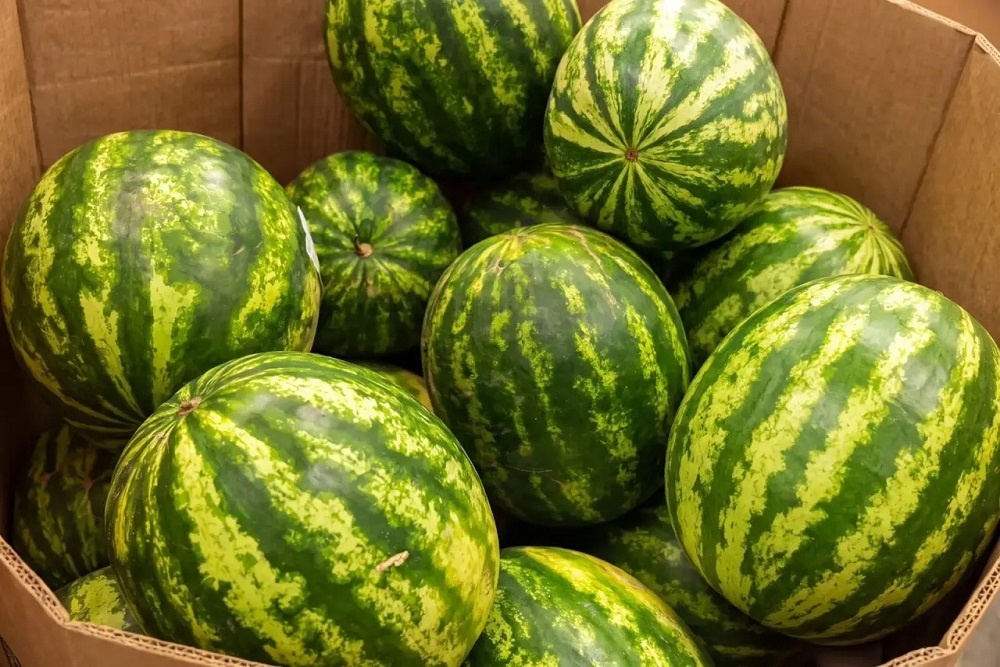
Novosibirsk becomes Siberia’s main import hub
Novosibirsk Region has become the leading destination for imported watermelons in the Siberian Federal District this summer, receiving about 6,400 tonnes, according to Rossiyskaya Gazeta, citing the Siberian Customs Administration. The figures position the region as the main gateway for a rapidly expanding flow of foreign watermelons into Siberia.
Oмsk Region ranked second, accounting for about 18% of the district’s imported volume, while Krasnoyarsk Territory placed third with 14%. These shares underline the concentration of watermelon distribution around several large regional markets and logistics centers.
Uzbekistan supplies 90% of the market
More than 12,000 tonnes of imported watermelons entered Siberia during the first half of 2026. This was 2.7 times the volume recorded in the same period of 2025, the Siberian Customs Administration said. The expansion indicates a sharp increase in the availability of imported fruit ahead of the main summer consumption period.
Uzbekistan was by far the largest supplier, providing 90% of the imported watermelons sold on the Siberian market. Shipments from Uzbekistan increased 7.6-fold compared with the first half of the previous year. Its dominant share makes conditions affecting Uzbek production, transport and border clearance particularly important for Siberian wholesalers and retailers.
Other origins also increased their presence. Deliveries from China grew by 26% year on year, while imports from Iran more than tripled. In total, Siberia receives watermelons from six foreign countries, although the available customs data do not identify all six suppliers.
Inspectors clear 21,800 tonnes for sale
Separate phytosanitary figures show that the Siberian Interregional Department of Rosselkhoznadzor inspected 21,800 tonnes of watermelons in Novosibirsk Region. Komsomolskaya Pravda reported that the inspected consignments arrived from Iran, Kazakhstan, China, Thailand and Uzbekistan.
The inspection total is broader than the reported import volume for Novosibirsk and should not be treated as a directly comparable customs figure. It reflects consignments handled by the phytosanitary authority at produce markets, temporary-storage warehouses and the Karasuk inspection point on the border with Kazakhstan. The source material does not specify the period covered by all 21,800 tonnes or whether every inspected shipment was intended solely for consumption within the region.
Every consignment was accompanied by a phytosanitary certificate and transported in line with quarantine requirements. Rosselkhoznadzor cleared all of the inspected watermelons for unrestricted sale. For importers and distributors, that outcome means the reported increase in supply was not accompanied by disclosed phytosanitary rejections, while Novosibirsk’s border and storage infrastructure handled volumes well above its own stated summer imports.