Crude exports through Novorossiysk halved in August, raising supply risk for Romanian refineries
Oil exports through the Russian Black Sea port of Novorossiysk fell by half in August, according to the Romanian publication profit.ro. Romanian refineries source part of their crude feedstock through the port, and profit.ro describes the drop as confirmation of a current supply problem. Volumes, causes and expected duration were not specified.
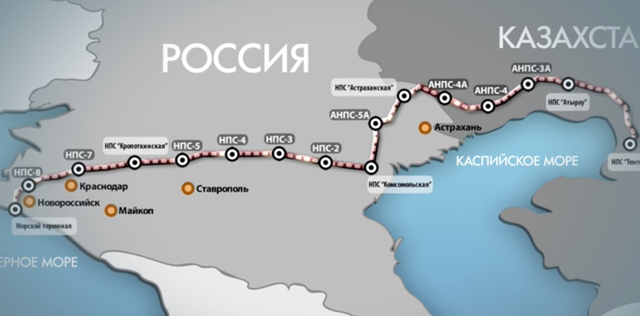
Exports through the Black Sea port fall by half
Crude oil exports through the Russian Black Sea port of Novorossiysk halved in August, according to the Romanian business publication profit.ro. The outlet presented the decline as confirmation that one of the region's main crude loading points is currently facing a supply problem.
profit.ro tied the drop directly to Romania, noting that refineries in the country take part of their crude feedstock through Novorossiysk. The report did not specify the tonnage involved, how long the reduction has lasted, or which export grades and loading berths were affected.
Why the port matters to regional refiners
Novorossiysk is one of the principal seaborne outlets on the Black Sea, and its geography is the reason it appears in the crude slates of refineries around the basin. Cargoes lifted there reach Black Sea and eastern Mediterranean ports on short voyages, which keeps freight costs low and shortens the time between purchase and processing. A refinery that plans around those short hauls builds its inventory cycle accordingly, holding less crude in transit than a plant supplied from the Gulf or West Africa.
That is also why a halving of throughput is more disruptive than the headline number suggests. A plant losing a nearby loading point does not simply buy the same barrels elsewhere: replacement cargoes usually come from further away, on longer voyages, at higher freight and with more working capital tied up in oil at sea. Crude quality is the second issue, because a refinery configured for one type of feedstock loses yield and margin when it runs a different one. Neither effect is quantified in the profit.ro report.
What the report leaves open
The available material does not address the variables that determine how serious this becomes. The cause of the reduction is not stated, and neither is whether it is a short interruption or a sustained constraint. There is no indication of how the shortfall is distributed between the port's users, nor of what share of Romanian refining capacity depends on the route.
Those gaps matter, because the operational response differs sharply depending on the answer. A disruption measured in weeks is absorbed through inventories and spot purchases with limited visible effect on fuel supply. One that runs for months forces refiners to re-tender for term barrels, adjust crude slates and, in the harder cases, reduce runs — the point at which regional product markets, not just crude buyers, start to feel it.
What to watch
- Whether September loadings at Novorossiysk recover to normal levels or stay near August's reduced rate.
- Any change in run rates or maintenance schedules at Romanian refineries.
- Freight rates for Black Sea and Mediterranean crude voyages, the first place a re-sourcing effort shows up.
- Diesel and gasoline prices in southeastern Europe, the downstream signal if refinery throughput falls.
- Statements from port operators, refinery owners or Romanian authorities clarifying the cause and expected duration.
Until those details emerge, the confirmed facts remain narrow: exports through Novorossiysk were half their previous level in August, Romanian refineries are among the port's customers, and profit.ro reports that the sector is dealing with a supply problem rather than a statistical anomaly.