Nothing Plans to Develop CMF as a Standalone Indian Technology Brand
Nothing co-founder Carl Pei says CMF will operate as a standalone Indian brand, with local research, development and manufacturing at the center of the plan. The announcement would move CMF beyond an assembly-led model, although investment, capacity and implementation details have not been disclosed.
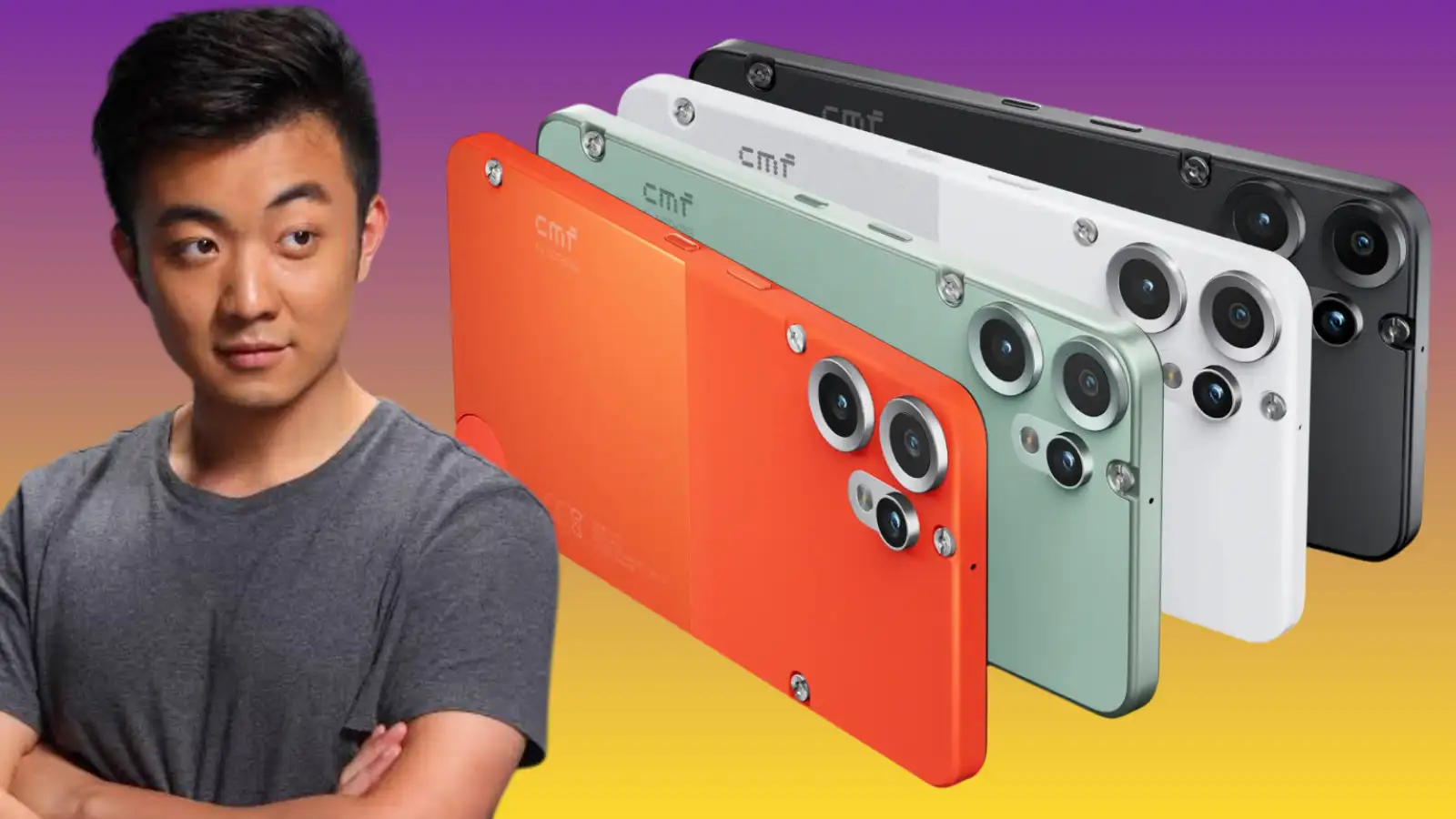
CMF is positioned as an Indian brand
Nothing co-founder Carl Pei has said CMF will operate as a standalone Indian brand, placing local research, development and manufacturing at the center of its future. Navbharat Times reported the announcement as an effort to give CMF an identity rooted in India rather than treating the country only as a location for assembling technology products.
Pei described manufacturing as India's first step and research and development as the next one. He pointed to Japan, South Korea and China as countries that had previously demonstrated how manufacturing capabilities could support the growth of domestic technology industries, and argued that India could follow that path.
The statement establishes the intended direction for CMF, but the available announcement does not specify an investment amount, production target, factory capacity or timetable. It also does not identify where the proposed research and development activity will be based or how large the local engineering operation will become.
Moving beyond assembly
The distinction between assembly and research is important for India's consumer-electronics ambitions. Assembly creates production activity, but local research and development can place product design, engineering decisions and technical knowledge closer to the market. For CMF, that would mean building an Indian operating identity around more than the final stage of manufacturing.
Execution will determine how substantial the change becomes. A standalone brand requires its own product priorities and a clear relationship between research, manufacturing and commercial operations. Pei's comments indicate that CMF is expected to develop those functions in India, but no detailed organizational structure was included in the reported announcement.
The absence of financial and capacity figures also limits an immediate assessment of the project's industrial scale. The plan could range from a focused local development team to a broader engineering and production organization. Until Nothing or CMF provides those details, the announcement is best understood as a strategic commitment rather than a completed manufacturing expansion.
Implications for India's electronics sector
For Indian manufacturers and component suppliers, the most relevant question is whether local research eventually produces deeper local sourcing and longer-term production work. The current statement does not name suppliers, components or procurement targets. It therefore provides no basis for estimating how much business could move to domestic companies.
For investors and market analysts, the separation of CMF as an Indian brand will also require scrutiny of decision-making and intellectual-property ownership. Local engineering activity can strengthen skills and improve the connection between products and Indian customers, but the announcement does not explain which decisions will be made inside India or how locally developed technology will be controlled.
Pei's comparison with Japan, South Korea and China sets an ambitious industrial frame for the plan. Those references emphasize the progression from manufacturing toward technology development. CMF's contribution to that ambition will depend on measurable steps that have yet to be disclosed, including engineering employment, development responsibility, production capacity and the share of work performed within India.