Norwegian sheepskins support traditional tulum cheese casing production in Erzincan
Facilities in Turkey’s Erzincan province turn imported Norwegian sheepskins into casings used for traditional tulum cheese. İhlas News Agency reports that Erzincan prepares a significant share of the country’s leather tulum casings, which are produced in only two Turkish provinces.
Imported skins sustain a local production specialty
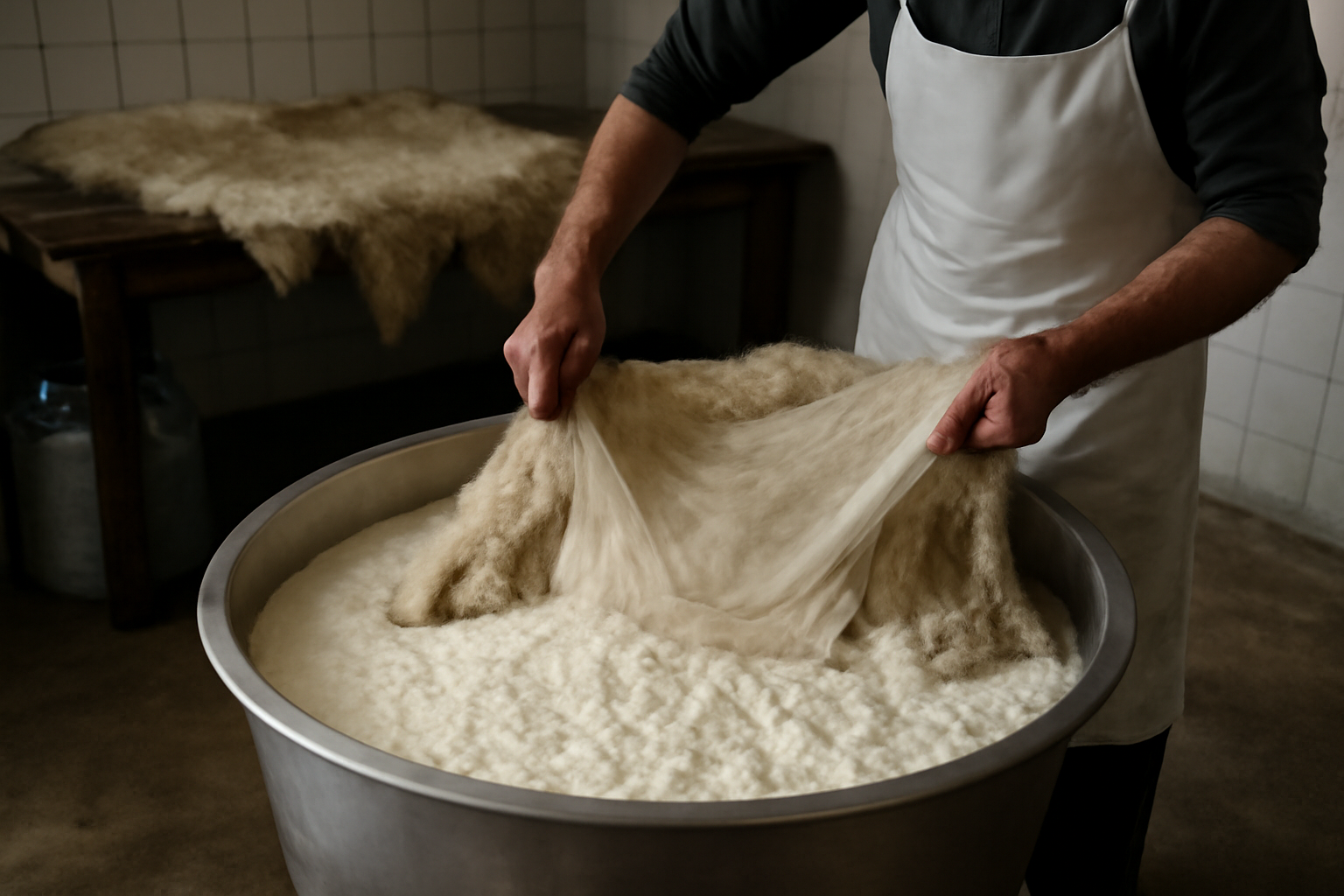
Sheepskins shipped from Norway are being turned into traditional cheese casings in Erzincan, linking a niche international supply flow with one of Turkey’s long-established regional food products. According to İhlas News Agency, facilities in the eastern Turkish province prepare a significant share of the leather tulums used for cheese production in the country.
The activity is unusually concentrated. The agency reports that these leather casings are produced in only two Turkish provinces, giving Erzincan an important position in a small but commercially relevant segment of the cheese supply chain. The available report does not identify the other producing province or provide shipment volumes, processing capacity, prices or the names of participating companies.
A traditional package with commercial value
Tulum cheese has been made in Erzincan for centuries, and the continued preparation of sheepskin casings supports that established production tradition. In this chain, the imported skin is not simply a general livestock by-product: it becomes packaging associated with a specific cheese format and regional identity. That gives processors a market tied directly to the needs of cheese makers rather than to broad demand for leather.
The flow also shows how a traditional food can depend on a cross-border industrial input. Norway supplies the sheepskins, while Erzincan-based facilities perform the preparation that converts them into cheese tulums. The report does not specify whether the skins arrive directly from Norway or through intermediaries, nor does it state how many casings can be produced from the imported material.
Concentration creates supply-chain exposure
For cheese producers, access to prepared leather casings matters because only a narrow domestic processing base is reported to supply them. Any interruption affecting Norwegian material or either of the two Turkish production locations could therefore reduce casing availability. The scale of that exposure cannot be quantified from the information published, as no annual production, inventory or import data were disclosed.
For skin processors, the trade offers a specialized outlet connected to an established food market. For importers and logistics companies, it requires coordination between a Norwegian raw-material source and a geographically concentrated Turkish processing industry. Cheese makers, meanwhile, depend on the finished casing rather than the unprocessed skin, making local preparation capacity a central link in the chain.
Data gaps limit assessment of the trade
The report establishes the origin of the sheepskins, their processing location and their intended use, but leaves the economics of the business largely undisclosed. It provides no value or tonnage for Norwegian shipments, no information on import frequency and no comparison with domestically sourced skins or other foreign suppliers.
Those figures would be necessary to measure Norway’s share of the casing industry and determine how strongly Erzincan’s producers depend on a single external source. Even without them, the reported flow illustrates a tightly defined trade: Norwegian sheepskins enter a specialized processing channel in Erzincan and emerge as casings that help maintain Turkey’s centuries-old tulum cheese tradition.