North Sumatra Ships 126 Tonnes of Ground Corncobs to Japan
North Sumatra dispatched 126 tonnes of ground corncobs to Japan for industrial use on August 28, 2026. Five shipments in 2026 generated Rp1.089 billion, more than double the value recorded from seven shipments during all of 2025.
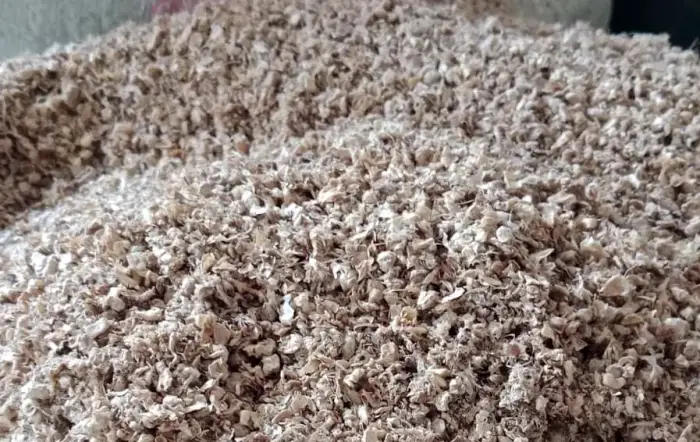
Agricultural residue enters Japan’s industrial market
North Sumatra exported 126 tonnes of ground corncobs to Japan on August 28, 2026, turning a residue of corn production into a commercial industrial input. StartNews reported that the provincial Animal, Fish and Plant Quarantine Office supervised the dispatch of 126,000 kilograms to the Japanese market.
The shipment illustrates an emerging outlet for material that would otherwise remain a low-value agricultural by-product. Processing corncobs by grinding them gives exporters a standardized product that can be handled in bulk and supplied to industrial buyers. The available source did not identify the Japanese importer, the final application or the price of this individual consignment.
For corn-producing areas, the transaction adds a potential revenue stream beyond grain. It also creates commercial roles for collectors, grinding operators, fumigation providers, laboratories and logistics companies. The size of the latest cargo shows that the supply chain can consolidate residue from farms and processors into an export-scale lot.
Five shipments exceed the full-year 2025 value
Data from the Indonesian Quarantine Agency, cited by StartNews, show that North Sumatra’s ground-corncob exports reached Rp1,089,039,000 from five shipments during 2026. In all of 2025, seven shipments were valued at Rp451,562,000.
The 2026 total is approximately 2.4 times the value recorded in 2025, despite involving two fewer consignments. Based on the reported totals, the average declared value rose from about Rp64.5 million per shipment in 2025 to about Rp217.8 million in 2026. The source did not provide annual tonnage, so the increase cannot be separated into changes in cargo volume, product specifications or unit prices.
Japan is the destination identified for the latest shipment and therefore the immediate market supporting this trade. The figures indicate stronger commercial returns from the product in 2026, although five consignments remain a limited base. Exporters will need repeat orders and consistent access to suitable raw material before ground corncobs can become a stable segment of North Sumatra’s agricultural economy.
Quarantine compliance is central to market access
Before departure, North Sumatra quarantine officers verified the shipment’s documents, conducted a physical inspection, collected laboratory samples and supervised fumigation. The procedures were intended to ensure that the cargo was free from quarantine plant pests before officials issued a phytosanitary certificate.
N. Prayatno Ginting, head of the North Sumatra Quarantine Office, said the agency would continue supporting exports that comply with quarantine requirements and operate safely and smoothly. He also identified professional and responsive quarantine services as an important condition for international trade.
These controls matter commercially because agricultural residues can carry contamination or plant-health risks even after grinding. For exporters, passing inspection protects access to Japan but also adds requirements for traceability, treatment and shipment preparation. Continued growth will depend on maintaining those standards while assembling enough material of consistent quality to meet industrial demand.