North American Softwood Pulp Price to Japan Falls to $820 a Tonne, First Decline in Ten Months
The price of North American softwood bleached kraft pulp (N-BKP) sold to Japan fell for the first time in ten months, Nikkei reported. Pulp for July shipment settled at $820 a tonne, down $10 or 1.2% from the previous month. Nikkei linked the decline to falling prices for China-bound cargoes since March.
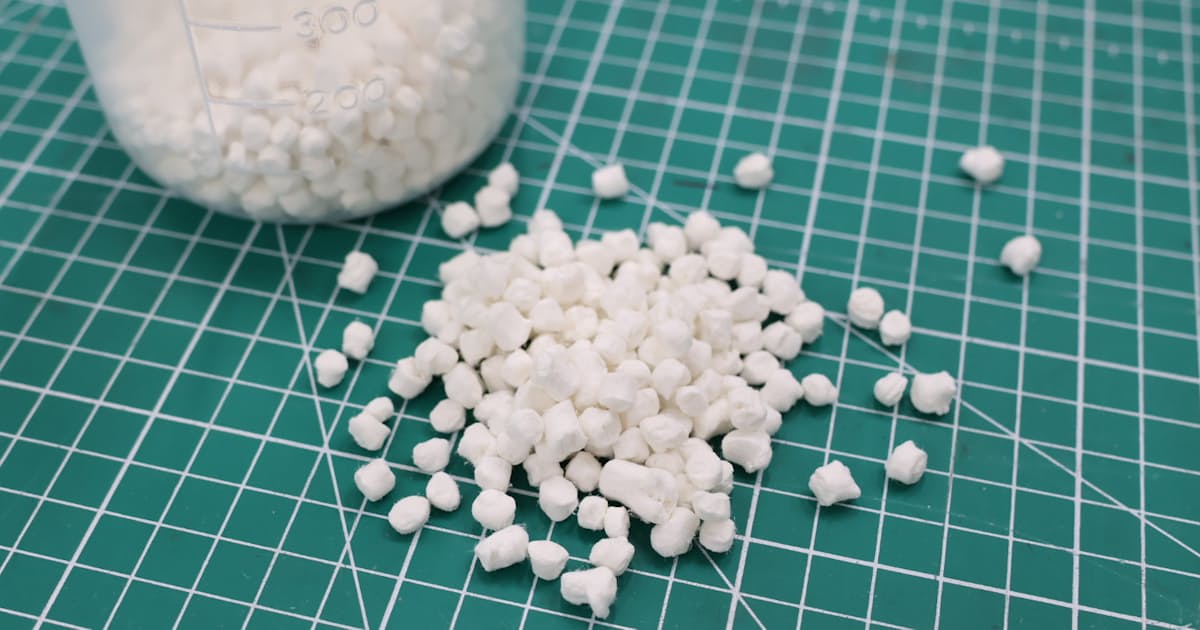
July shipment settles at $820 a tonne
The price of North American softwood bleached kraft pulp (N-BKP) sold to Japanese buyers has fallen for the first time in ten months, according to Nikkei. Pulp for July shipment was settled at $820 a tonne, down $10, or 1.2%, from the previous month. The move ends a run of nine consecutive months in which the Japanese settlement did not decline.
N-BKP is one of the core raw materials of the paper industry and is used across a wide range of grades, including packaging papers. Because the grade is traded to Japan on monthly shipment terms, a change in the settlement reaches mill costs quickly. A single month's adjustment is therefore watched mainly as a signal of direction rather than as a decisive shift in the cost base of Japanese producers.
Chinese weakness reaches Japanese contracts
Nikkei attributes the decline to the Chinese market, where prices for North American softwood pulp have been falling since March. That weakness has now been transmitted to the prices quoted for Japan. The sequence is a familiar one in the pulp trade: China absorbs large volumes of imported fibre, and when buying there slows, sellers adjust offers in neighbouring markets rather than hold tonnes off the water.
The gap between the start of the Chinese decline in March and the July-shipment settlement in Japan gives a rough measure of how long the transmission took on this occasion — roughly four months. It also frames the question now facing Japanese buyers and North American exporters alike: whether Chinese prices continue to slide, in which case further monthly reductions for Japan become likely, or whether the market stabilises and the July cut stands as an isolated adjustment.
Why the grade matters inside the mill
Softwood pulp is valued for fibre length. Longer fibres bind more effectively in the sheet and make the finished product harder to tear, which is why N-BKP is combined with hardwood bleached kraft pulp (LBKP) rather than replaced by it. Nikkei notes that the two grades are blended in the production of household paper, where the softwood component supplies strength and the hardwood component contributes the bulk and surface characteristics that the long-fibre grade cannot provide on its own.
- N-BKP: long-fibre grade, used where tear resistance and sheet strength are required.
- LBKP: hardwood grade, blended with softwood pulp in household paper production.
- End uses cited by Nikkei include packaging papers and household paper.
Scale of the move
At 1.2%, the reduction is small relative to the $820 level. A $10 cut trims the fibre bill only marginally and does not by itself change the economics of Japanese tissue or packaging production, where energy, chemicals, logistics and labour also weigh on margins. The significance of the settlement lies in the reversal of direction after nine months without a decline, not in the size of the number.
For North American producers, the development narrows the room to hold firm in Asia. Japan had continued to settle at unchanged or higher levels while Chinese prices were already falling; that divergence has now closed. The Nikkei report does not indicate movements in hardwood pulp prices or in shipped volumes, so the immediate read-across is limited to the long-fibre grade and to the direction of monthly negotiations between North American sellers and Japanese papermakers.
Full market analysis