Nonsan grape exporters make first shipments to North American markets
Grape growers in Nonsan, South Korea, have begun shipping fruit to North American markets, extending an export program previously focused on Asia. Around 50 local officials, export organizations and farmers attended the 2026 shipment ceremony.
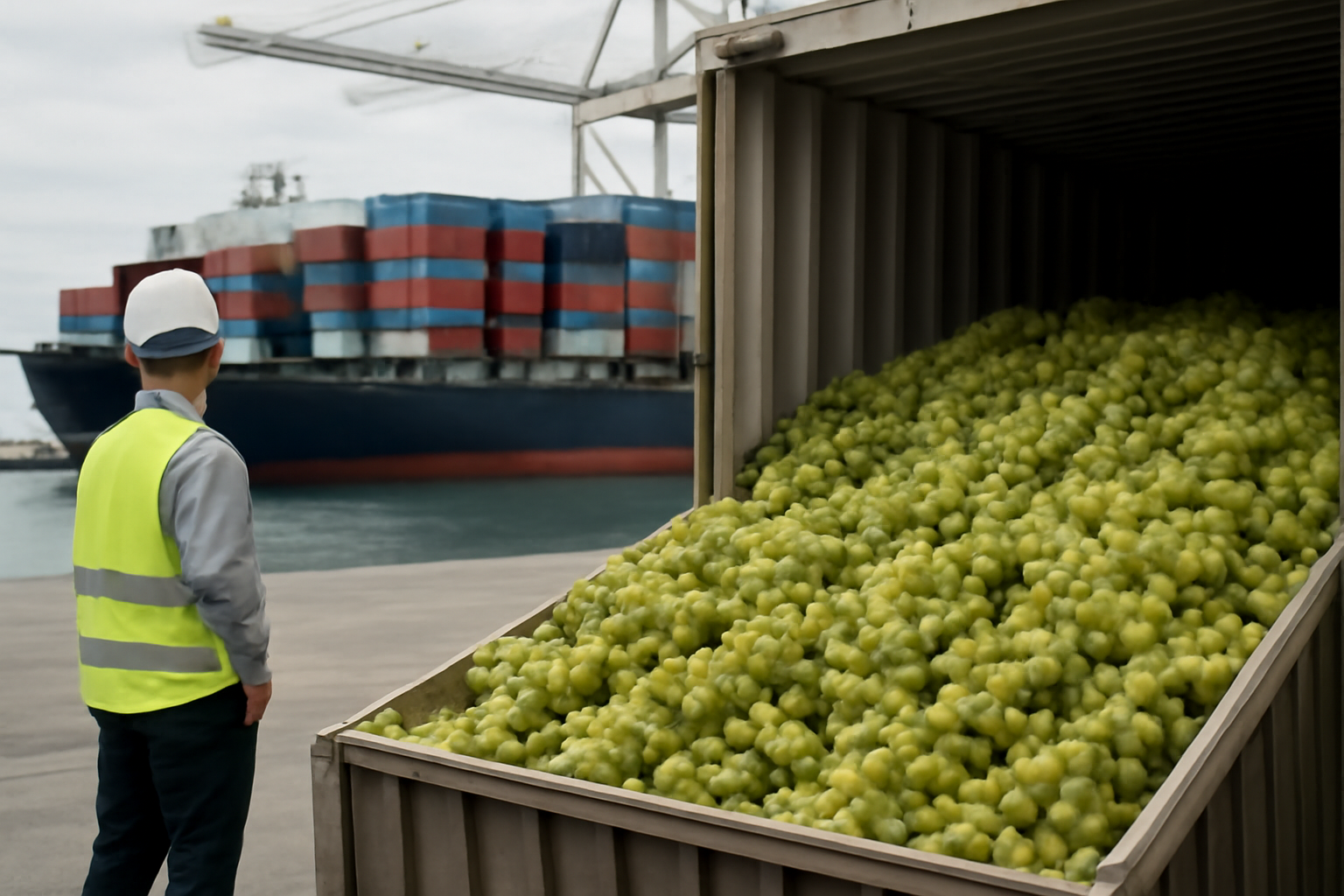
Nonsan opens a new destination for grape exports
Grape exporters in Nonsan, a farming center in South Korea’s South Chungcheong Province, have started shipping their first volumes to North American markets. The move widens the geographic reach of a local export program that had previously concentrated on Asian destinations.
Daily Hankook reported that Nonsan city held its “2026 Nonsan Grape Export Shipment Ceremony” at agricultural corporation Youberry. The event brought together Nonsan Mayor Baek Seong-hyeon, Nonsan City Council Chairman Lee Geon-chang, representatives of export-related organizations and grape farmers.
Around 50 people attended the ceremony, according to the publication. The fruit prepared for export was grown by grape farms in the Nonsan area and included Shine Muscat grapes. The available source material did not specify the shipment’s volume, value, destination country or receiving company.
Expansion beyond established Asian markets
North America gives Nonsan exporters access to a large consumer market outside their existing Asian sales network. It also increases the distance, delivery time and operational complexity involved in moving fresh grapes from farms to overseas buyers. Exporters must preserve quality throughout packing, cold storage and transport because grapes are sold primarily on freshness, appearance and condition.
The first shipments will therefore serve as a commercial and logistical test for participating growers and export companies. Reliable arrival quality can support repeat orders and wider distribution, while inconsistent condition could limit demand even when the fruit performs well at the farm level.
The development is also relevant for growers deciding how much production to allocate to export channels. Overseas sales can diversify the buyer base, but export-grade fruit normally requires consistent sizing, appearance, packaging and handling. Farmers and processors will need to coordinate these requirements with harvest schedules and the specifications set by North American customers.
Execution will determine whether shipments become regular
The ceremony signals institutional support from the city and cooperation among farms, exporters and related agencies. That coordination can help smaller producers combine supply and meet commercial orders, particularly when an individual farm cannot provide sufficient volumes on its own.
The next measure of progress will be whether the initial cargo leads to recurring shipments rather than a one-off delivery. Volumes, prices, buyer retention and the number of participating farms were not disclosed in the supplied report, leaving the commercial scale of the program unclear. For traders and market analysts, future shipment data will be needed to assess whether North America becomes a material outlet for Nonsan grapes or remains a limited market-development initiative.