Rising non-EU watermelon imports add pressure to Spanish prices
EU watermelon imports from non-EU countries rose 15% in the first half of 2026, while Moroccan shipments increased 14% to 148,950 tonnes. Spanish producer groups say overlapping supply is contributing to lower farmgate prices, although non-EU melon imports fell 11.2%.
Watermelon arrivals rise as Spanish prices weaken
Higher watermelon imports from outside the European Union are adding pressure to Spain’s domestic market during the local season. According to Eurostat data compiled by Spain’s Ministry of Agriculture, Fisheries and Food, EU purchases of watermelon from non-EU countries rose 15% in the first half of 2026 to 351,672 tonnes.
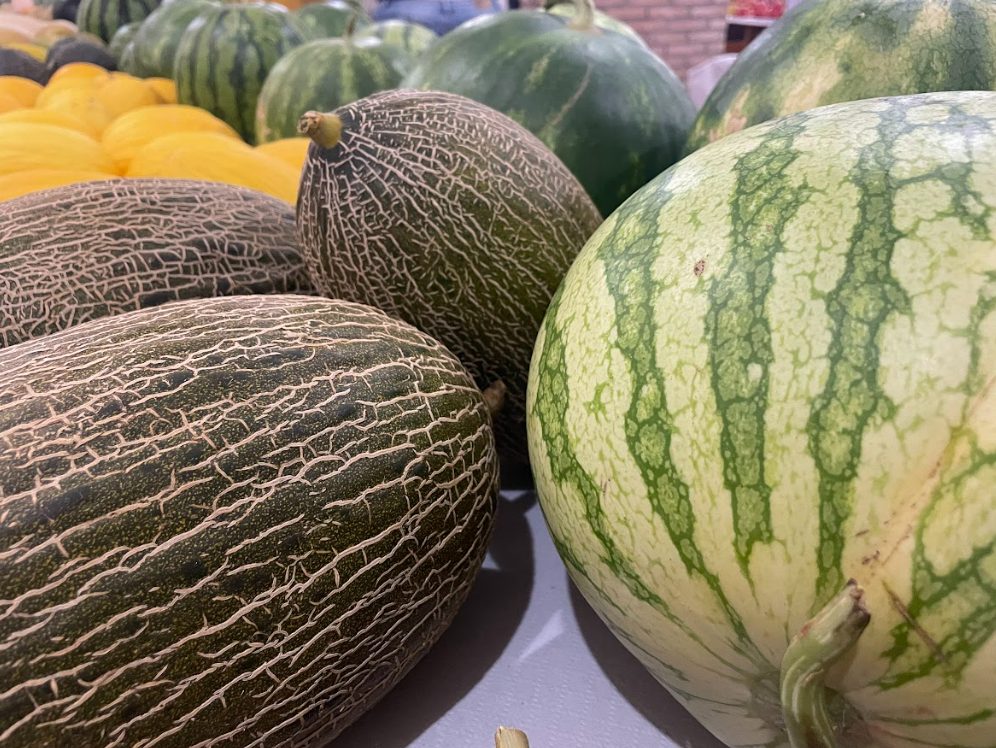
Morocco was the largest supplier, increasing its shipments to the EU by 14% to 148,950 tonnes. Andrés Góngora, secretary general of the agricultural organization COAG, told EFE Agro that Moroccan watermelon is generally larger and contains more seeds than Spanish fruit. He argued that the volume entering the market had saturated Spanish supply channels and pushed prices lower.
Spanish farmgate quotations support concerns about a weakening market. Ministry data placed watermelon at €24.10 per 100 kilograms between August 17 and 23. Piel de sapo melon followed a similar recent price trend and was quoted at €22.58 per 100 kilograms over the same period.
Brazil and Senegal expand watermelon supply
Growth was not limited to Morocco. Through June, Brazil recorded the sharpest annual increase in EU watermelon shipments among the origins cited by EFE Agro, up 39.4% from a year earlier and 109.7% above the average for the previous five years. Senegal’s volume increased 24.9% year on year, although it remained 3.5% below its five-year average.
Production calendars are central to the price impact. Góngora said Senegal’s main season overlaps with the beginning of Spain’s campaign, allowing lower-priced imported fruit to enter as Spanish growers start marketing their crop. He also raised concerns about origin labeling, saying Spanish and Senegalese watermelons can be difficult for consumers to distinguish.
Competition also affects Spain beyond its domestic market. COAG identified Turkey as a stronger supplier in destinations including Poland and Austria. José Cánovas, head of the melon and watermelon division at Murcia’s fruit and vegetable exporters’ association Proexport, said early arrivals from competing origins can constrain sales of Spanish produce in other European markets.
Melon imports fall, but timing remains a concern
The picture for melon differs from watermelon. EU imports from non-EU countries fell 11.2% between January and June 2026 compared with the same period of 2025, reaching 173,770 tonnes. Brazil remained the leading supplier with 73,682 tonnes, down 5.3% year on year but 8.4% above the previous five-year average.
Moroccan melon shipments fell 41.3% to 24,587 tonnes, while Costa Rica supplied 21,941 tonnes, down 0.8%. Senegal was the only major origin listed to expand, increasing shipments by 8% to 20,815 tonnes. COAG said Spanish producers have historically defended their position against Latin American melon through consumer preference for domestic fruit, but Senegal’s growing production of piel de sapo melon is causing concern.
Almería producer association Coexphal told EFE Agro that Brazil’s established position complicates the beginning of the region’s campaign because early overseas production is already available. The association linked this competition to an accumulated 18% decline in Almería melon shipments over five years and called for regulatory reciprocity, stricter border controls and greater emphasis on the quality and food safety of Spanish produce.
Cánovas said the effect ultimately depends on whether production windows overlap. Overseas arrivals beginning after Spain’s campaign ends in September do not pose the same problem as imports entering while the domestic season is extended. For growers, traders and exporters, the central issue is therefore not only annual import volume but also the timing of competing fruit in Spain and its key European destinations.