Non-alcoholic beer trend reaches historic Trappist brewers
Rising demand for alcohol-free beer is reshaping European beverage portfolios, including in Italy. The trend, associated partly with changing Gen Z habits, has spread as far as historic Trappist abbeys in the Netherlands.
Alcohol-free demand broadens
Rising consumption of non-alcoholic beer is changing how European brewers approach their portfolios. The category is no longer confined to mainstream producers seeking an alternative product for drivers or occasional abstainers. Its expansion has reached historic Trappist brewing communities, showing how widely expectations around beer are changing.
The shift is also affecting Italy, a market traditionally associated with wine but served by a broad and competitive beer industry. Greater interest in drinks without alcohol is encouraging producers and distributors to reconsider which products they offer and how those products are positioned. For breweries, the commercial question is whether alcohol-free beer can become a regular choice rather than a substitute purchased only in limited circumstances.
Gen Z changes drinking occasions
Changing habits among Gen Z are one factor behind the trend. Younger consumers are contributing to demand for products that retain the social and sensory role of beer without its alcohol content. That creates new drinking occasions for the category and puts pressure on producers to deliver products that can compete on flavour, identity and brewing credentials, rather than relying exclusively on the absence of alcohol.
This development has implications across the beverage chain. Brewers need to decide whether to extend established brands or create separate alcohol-free labels. Distributors and retailers must determine how much space to allocate to the category, while hospitality operators have to offer credible alternatives to conventional beer. As the segment expands, competition is likely to involve both large commercial groups and specialist producers with strong regional or historical identities.
Trappist tradition adapts
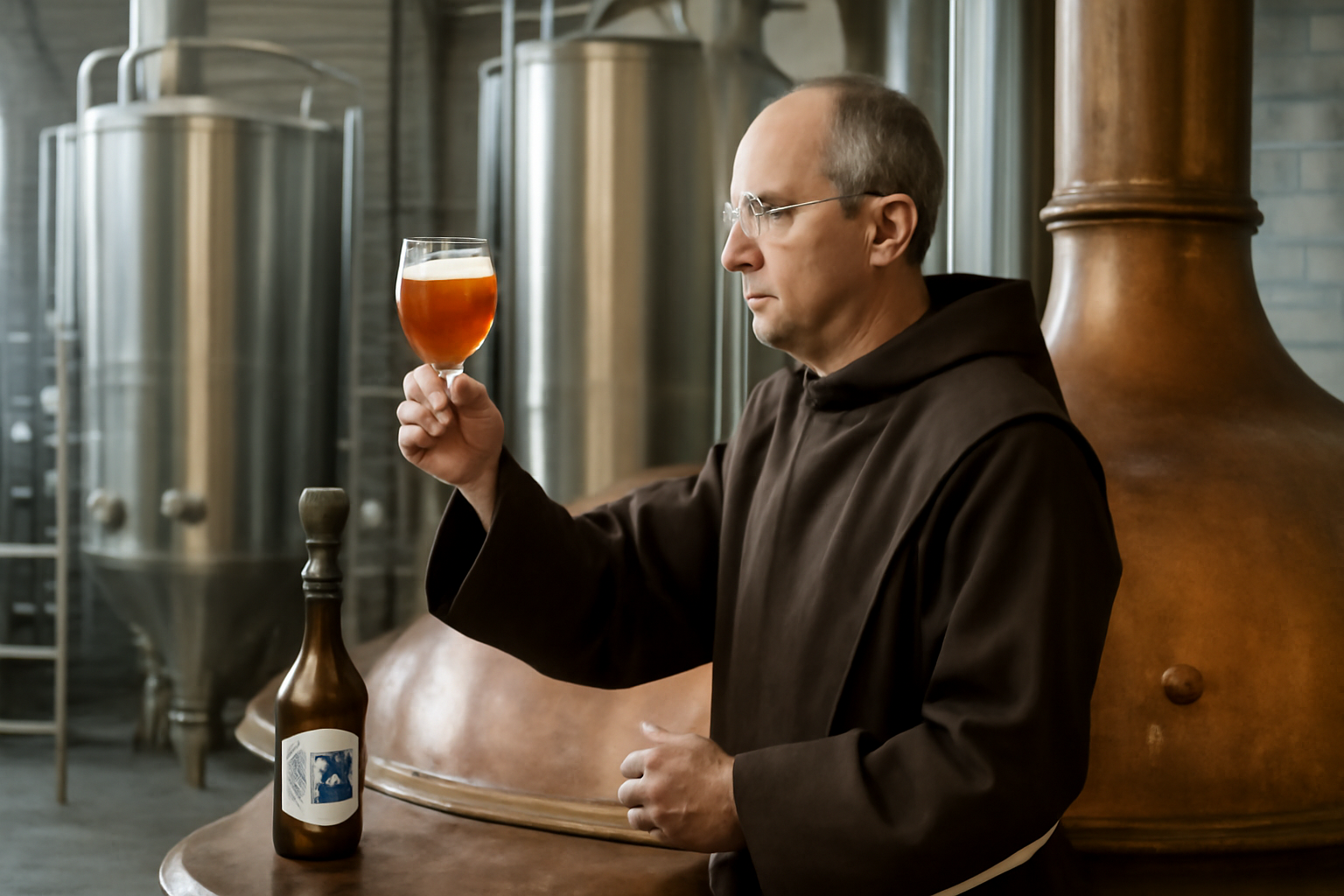
The arrival of the trend at historic Dutch abbeys is especially notable because Trappist beer is closely linked to tradition, provenance and monastic production. Adaptation by brewers in this setting suggests that alcohol-free demand is influencing not only mass-market portfolios but also parts of the industry whose value rests heavily on heritage. The challenge is to respond to new consumer preferences without weakening the identity that distinguishes an abbey beer from a conventional commercial label.
For producers, alcohol-free beer therefore presents both an opportunity and a product-development test. Interest from younger consumers can widen the potential audience, while participation by Trappist brewers may strengthen the category's legitimacy among drinkers who value brewing tradition. However, success will depend on whether the product delivers a convincing beer experience and fits naturally into an established portfolio. The broader European market is moving beyond the question of whether alcohol-free beer has a place. Producers, retailers and hospitality businesses are increasingly deciding what that place should be.
Full market analysis