Nippon Paper’s Yatsushiro Mill Remains Offline After Kumamoto Earthquake
Nippon Paper Industries cannot yet set a restart date for its earthquake-damaged Yatsushiro mill, Kyushu’s only newsprint production site. Rival producers and the company’s Iwanuma mill are covering the shortfall, but reconstruction costs and weakening paper demand threaten earnings.
Restart timetable remains uncertain
Nippon Paper Industries has yet to establish a timetable for restarting its Yatsushiro mill in Yatsushiro, Kumamoto Prefecture, more than one month after the facility was damaged by the Kumamoto earthquake on July 28. The prolonged shutdown has prompted the company to withdraw its full-year earnings forecast, leaving the outlook undetermined as it assesses the scale of the damage.
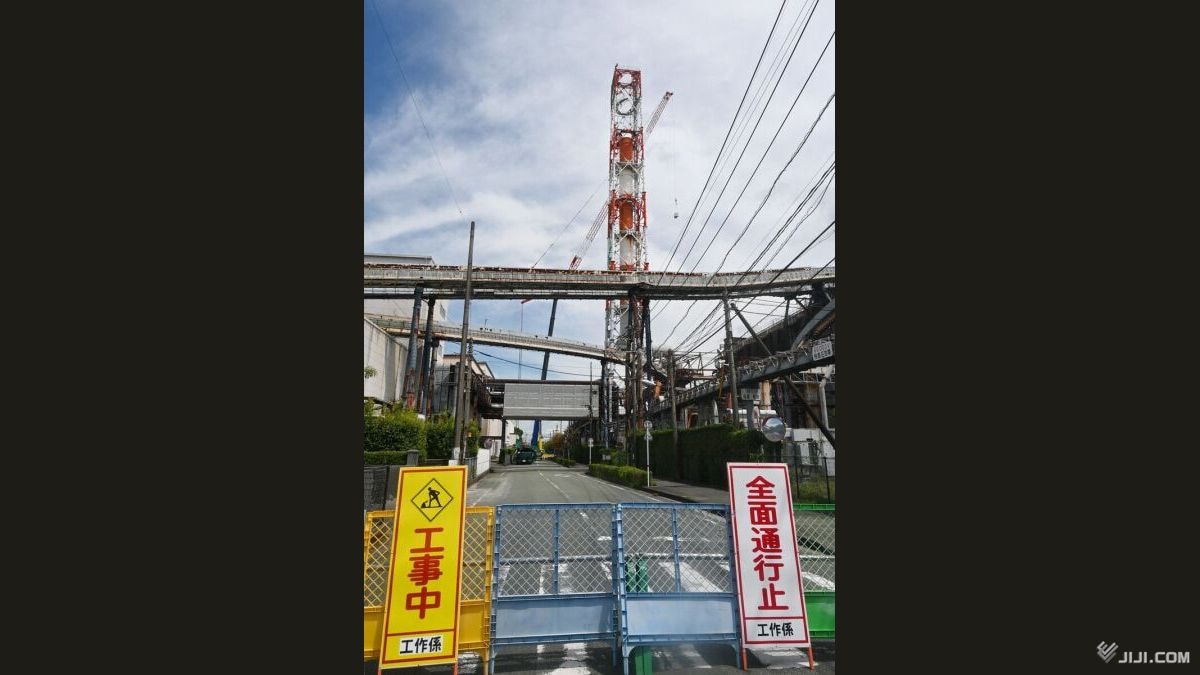
According to Jiji Press, the mill suffered extensive destruction in an earthquake that killed nine people. Three chimneys were damaged and an office building was crushed. Removal of part of the damaged chimney structures began in late August, but determining the full extent of the damage and dismantling other affected facilities will require more time. Nippon Paper is selecting members for an expert investigation committee. A fire also broke out at the mill on September 3, adding another complication to the recovery process.
Competitors cover the newsprint shortfall
Yatsushiro is Kyushu’s only production base for newsprint and accounted for just under 10% of Japan’s domestic newsprint market in 2025. Its outage therefore removed a significant source of regional and national supply at short notice, creating an immediate logistical and production challenge for newspaper publishers and paper distributors.
Nippon Paper has begun supplying newsprint from its Iwanuma mill in Iwanuma, Miyagi Prefecture. Oji Paper, Daio Paper and Chuetsu Pulp & Paper have also started substitute production to cover the missing volumes. Jiji Press reports that these measures have reduced near-term concerns about availability, although they leave the market dependent on alternative mills and longer supply routes while Yatsushiro remains offline.
The response shows that Japan’s paper industry has enough capacity to manage the immediate disruption through coordinated replacement production. The longer the shutdown continues, however, the more important transport costs, production scheduling and the ability of rival plants to maintain additional output will become. Yatsushiro’s share of the national market also means that a prolonged loss of capacity cannot be treated solely as a local operational issue.
Recovery decision comes amid falling demand
Nippon Paper President Akira Sebe said the company is not considering closing the Yatsushiro mill at present and intends to restart it. The scale and duration of the work remain unclear. After the Great East Japan Earthquake, three Nippon Paper mills in the Tohoku region, including the Ishinomaki mill in Miyagi Prefecture, required about one and a half years to recover fully. That experience illustrates the potential complexity of restoring heavily damaged industrial assets, though it does not establish a timetable for Yatsushiro.
The investment case is complicated by declining newsprint demand and broader contraction in Japan’s domestic paper consumption as digitalization reduces the use of printed products. Before the earthquake, Nippon Paper had planned to spend approximately ¥31 billion at Yatsushiro to increase production of toilet paper and other products expected to improve profitability. The project was intended to shift more of the mill’s output toward categories with stronger earnings potential.
The company now faces the cost of repairing the site while also reconsidering its production structure. Nippon Paper was already dealing with another industrial incident after a tank ruptured at a US subsidiary in May. With substantial expenditure expected for the Yatsushiro restart and its full-year forecast suspended, the financial effect will depend on the condition of the remaining assets, the recovery schedule and how long substitute production is required.