Nigeria targets local cassava starch to replace $23 million in pharmaceutical imports
Nigeria is seeking to produce pharmaceutical-grade starch from cassava and replace about $23 million in annual imports. Research is 85% complete, but processors must still meet strict pharmaceutical standards for purity, performance and traceability.
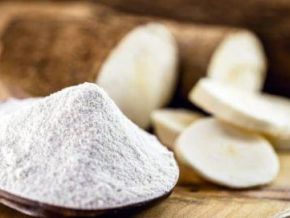
A higher-value market for cassava
Nigeria’s cassava industry is seeking entry into the pharmaceutical-grade starch market, which could create a higher-value outlet for growers and processors while replacing about $23 million in annual imports. The Industrial Cassava Stakeholders Association of Nigeria, or ICSAN, called on processors to target the sector in a statement issued Aug. 20.
Pharmaceutical-grade starch is a purified plant starch used as an excipient in medicines. It can act as a binder, filler or disintegrant in tablets and capsules, supporting their form, stability and performance without serving as an active pharmaceutical ingredient.
ICSAN regards domestic drug manufacturers as a promising customer base for the cassava industry. However, the association said local starch production does not yet adequately meet pharmaceutical companies’ requirements, making product qualification and consistent quality more important than a simple increase in output.
Research advances toward pilot production
The current push builds on an initiative launched by the Nigerian Natural Medicine Development Agency, or NNMDA, in December 2024. The program aims to use Nigeria’s large cassava supply for domestic pharmaceutical-starch production, develop cultivation for pharmaceutical applications and improve capabilities across the value chain.
In a January 2026 interview with the News Agency of Nigeria, NNMDA Director General Martins Emeje said research into pharmaceutical-grade starch made from local cassava was 85% complete. He said the agency had already produced its own starch and assessed its quality with funding from the Senate.
The next stage is a pilot phase expected to include a government-owned pharmaceutical-starch production facility within one to two years. According to Emeje, the agency expects both the product and the manufacturing facility to be available within that period. The timetable indicates progress toward commercialization, although no planned capacity or investment figure was disclosed.
Standards will determine import substitution
Replacing imports will require Nigerian processors to satisfy drugmakers’ specifications for purity, microbiological quality, performance and traceability. These requirements affect raw-material selection, processing controls, testing and documentation, and they must be met consistently before pharmaceutical manufacturers can rely on domestic suppliers.
ICSAN is calling for closer cooperation between cassava processors and pharmaceutical companies. It also wants the National Agency for Food and Drug Administration and Control and the Raw Materials Research and Development Council to help producers meet the relevant technical and industrial requirements. For processors, a stable pharmaceutical market could support investment in technology and quality systems; for drugmakers, qualified local output could provide an alternative to imported excipients.
Pharmaceutical starch would add to Nigeria’s efforts to develop industrial uses for cassava beyond food. Bioethanol has been another target since 2023, and in January 2026 the government said it had begun a process to bring 14 million smallholder farmers into the cassava-bioethanol value chain. Whether pharmaceutical demand also reaches growers will depend on processors’ ability to establish compliant supply chains and deliver uniform starch at commercial scale. The immediate opportunity is clear, but access to the $23 million market will be decided by quality assurance rather than cassava availability alone.