Nigeria’s food crisis deepens as northern harvest prospects weaken
Nigeria faces another food-supply squeeze as insecurity, high input costs and adverse weather reduce cultivation in the north. USDA-FAS forecasts lower rice and maize production in 2026/27, while AGRA says 36.3 million Nigerians faced crisis-level food insecurity in August.
Staple crop forecasts point to lower output
Nigeria’s food crisis risks intensifying as the 2026 harvest approaches, with reduced cultivation in the north threatening supplies to the country’s main consumer markets. BusinessDay reports that insecurity, expensive inputs, weak infrastructure and climate variability are limiting planting and production. The pressure comes as AGRA says 36.3 million Nigerians faced crisis-level food insecurity in August.
The United States Department of Agriculture’s Foreign Agricultural Service forecasts Nigerian rice production at 8.3 million tonnes in 2026/27, down six percent from 8.8 million tonnes in 2025/26. The area planted with rice is expected to contract seven percent to 4.2 million hectares. Consumption, however, is projected to rise to nine million tonnes, leaving imports to help cover the shortfall.
Maize production is forecast at 10.9 million tonnes, five percent below the previous year, while harvested area could fall eight percent to 4.8 million hectares. USDA-FAS attributed the weaker outlook mainly to high input costs and declining farmgate prices, which have reduced producers’ capacity and incentive to expand cultivation.
Input costs and insecurity constrain northern farms
The price of a 50-kilogram bag of fertiliser rose by about 50 percent between the previous planting seasons, according to USDA-FAS. Herbicide, fuel and labour costs also increased substantially. Farmers must therefore commit more capital while maize prices at the farm gate have fallen sharply from earlier highs, compressing margins and increasing the risk that land will remain uncultivated.
FEWS NET reports that sustained insecurity and higher input costs are producing Crisis-level outcomes across northern Nigeria. Violence and displacement have disrupted farms, markets and livelihoods in states including Benue, Borno, Kaduna, Katsina, Kebbi, Kwara, Niger, Plateau, Sokoto and Zamfara. Irregular rainfall, dry spells and high temperatures add to production risks, while false or early rainfall can prompt premature planting.
Kaduna State Commissioner for Information and Culture Ahmed Maiyaki said more than 500,000 hectares of farmland previously controlled by bandits had been recovered. Farmers have returned in areas including Birnin Gwari, Chikun and Kachia. The state also distributed 500 trucks of fertiliser and tractors to 150,000 farmers across 23 local government areas, but access to land may not raise output without affordable inputs, irrigation, transport and secure routes to market.
Wheat dependence adds exposure to external supply
Nigeria’s wheat balance remains particularly dependent on foreign supply. USDA-FAS projects domestic production of only 140,000 tonnes in 2026/27 and imports of 7.2 million tonnes, compared with estimated consumption of 6.8 million tonnes. This dependence leaves bread, noodles, pasta and other flour-based foods exposed to the cost and availability of imported grain.
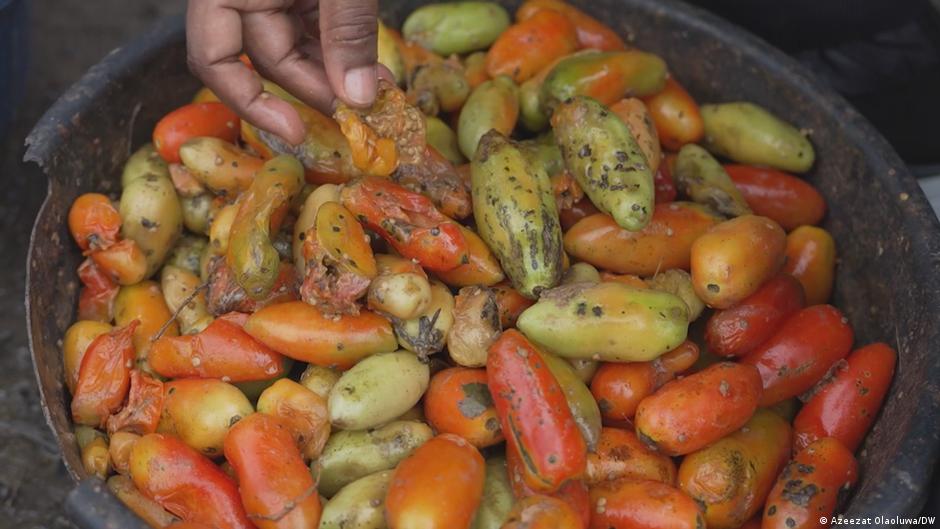
The household impact is already visible. DW reports that some low-income consumers in Lagos and Abuja are buying damaged or moldy tomatoes, peppers and onions because fresh produce is unaffordable, despite risks including food poisoning and liver damage. If the northern harvest fails to replenish grain markets after the lean season, competition among millers and processors could increase, prolonging pressure on staple prices and consumer purchasing power.