Nigeria drafts 138 competition rules for fuel market as Dangote refinery runs at 700,000 bpd
Nigeria's midstream and downstream regulator has put 138 draft competition rules out for consultation, covering fuel pricing, market dominance and access to pipelines, depots and terminals. The proposal lands as Dangote Petroleum Refinery says it is processing 700,000 barrels a day, above its 650,000-barrel design capacity. The rules are not yet in force and stakeholder submissions will be reviewed before the draft is finalised.
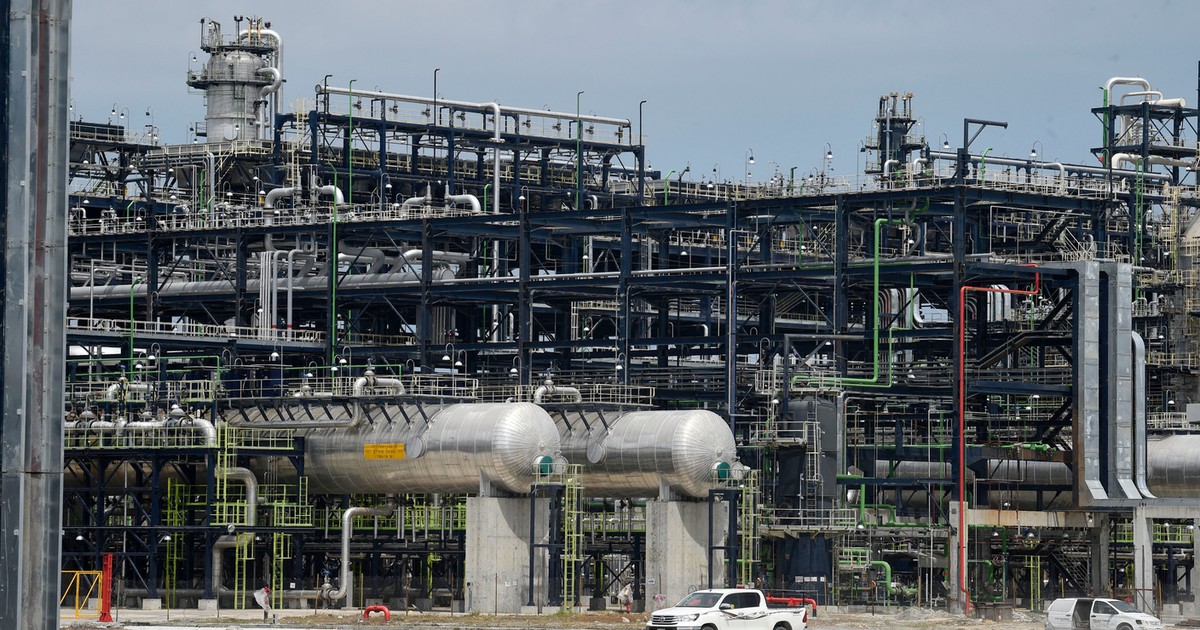
Nigeria has proposed 138 competition rules for its petroleum industry, setting out how fuel pricing, market dominance and access to pipelines, depots and terminals would be policed as domestic refining expands. Business Insider Africa reported that the draft has been presented for consultation and is not yet in force.
What the 138 draft rules cover
The rules would give the Nigerian Midstream and Downstream Petroleum Regulatory Authority a more detailed framework for tackling price fixing, abuse of market dominance and unfair restrictions on access to essential facilities. Joseph Tolorunse, the regulator's secretary and legal adviser, said the proposals span the full commercial chain rather than refining alone.
- Pricing conduct across midstream and downstream operations
- Access to pipelines, depots, terminals and other essential infrastructure
- Dominant market positions and abuse of dominance
- Mergers and agreements between companies
- Enforcement powers and procedures
- Use of market data and artificial intelligence in petroleum trading
"The central purpose of the regulation is to translate the competition provisions of the Petroleum Industry Act 2021 into detailed, enforceable rules for the midstream and downstream petroleum industry," Tolorunse said. At a stakeholder consultation in Abuja on Tuesday, regulator chief Rabiu Umar said the framework was intended to prevent anti-competitive conduct, address abuse of dominance and promote fair access to essential infrastructure.
"The proposed regulations are intended to strengthen the midstream and downstream petroleum sector by preventing anti-competitive practices, addressing abuse of dominance, promoting fair and non-discriminatory access to essential infrastructure, and also enhancing transparency and market efficiency," Umar said.
A refinery running above design capacity
The proposal arrives at a consequential moment for Africa's largest oil producer. Dangote Petroleum Refinery says its crude processing capacity has reached 700,000 barrels a day, up from an original design capacity of 650,000 barrels. That expansion has reduced Nigeria's reliance on imported fuel and increased the country's ability to supply other markets.
For years Nigeria exported crude oil while spending heavily on imported petrol and other refined products. Domestic refining is changing that trade pattern, and the same scale makes rules on access, pricing and competition more consequential for refiners, importers and fuel marketers. The refinery has said petrol imports are taking 43% of Nigeria's market, forcing the $20 billion plant to export surplus fuel.
Import licences and the end of subsidies
The debate is sensitive because the refinery and fuel importers have taken opposing positions in a court dispute over import licences. Dangote has argued that the licences undermine domestic refining, while the state oil company and marketers have argued that restricting imports could weaken competition and expose fuel supplies to disruption. Those are the parties' positions in a separate dispute, not findings under the proposed regulations.
Nigeria has also removed petrol subsidies, leaving fuel prices more exposed to changes in crude costs and market conditions. Competition rules cannot by themselves shield consumers from a rise in global oil prices.
What happens next
Nigeria's Petroleum Industry Act already makes the regulator responsible for preventing anti-competitive behaviour in midstream and downstream operations and provides for third-party access to certain facilities and pipelines. The new proposal is intended to set out more detailed rules for applying those powers, and its reach extends beyond refineries to fuel distribution and other petroleum businesses.
The open question for companies along the supply chain is whether they can compete fairly when access to storage, transport and wholesale fuel supplies may depend on facilities controlled by larger operators. The practical test will be whether smaller suppliers can obtain access on fair terms and whether regulators can identify conduct that unlawfully restricts choice. The authority said it would review stakeholder submissions before finalising the draft.