Nicaragua Records 7,300 Manzanas of Sorghum Plantings by July 2026
Nicaragua recorded 7,300 manzanas planted with white and millón sorghum during the first planting season by July 2026. More than 6,000 farms across 13 departments and regions participated, supporting domestic food and livestock-feed availability.
Sorghum planting reaches 7,300 manzanas
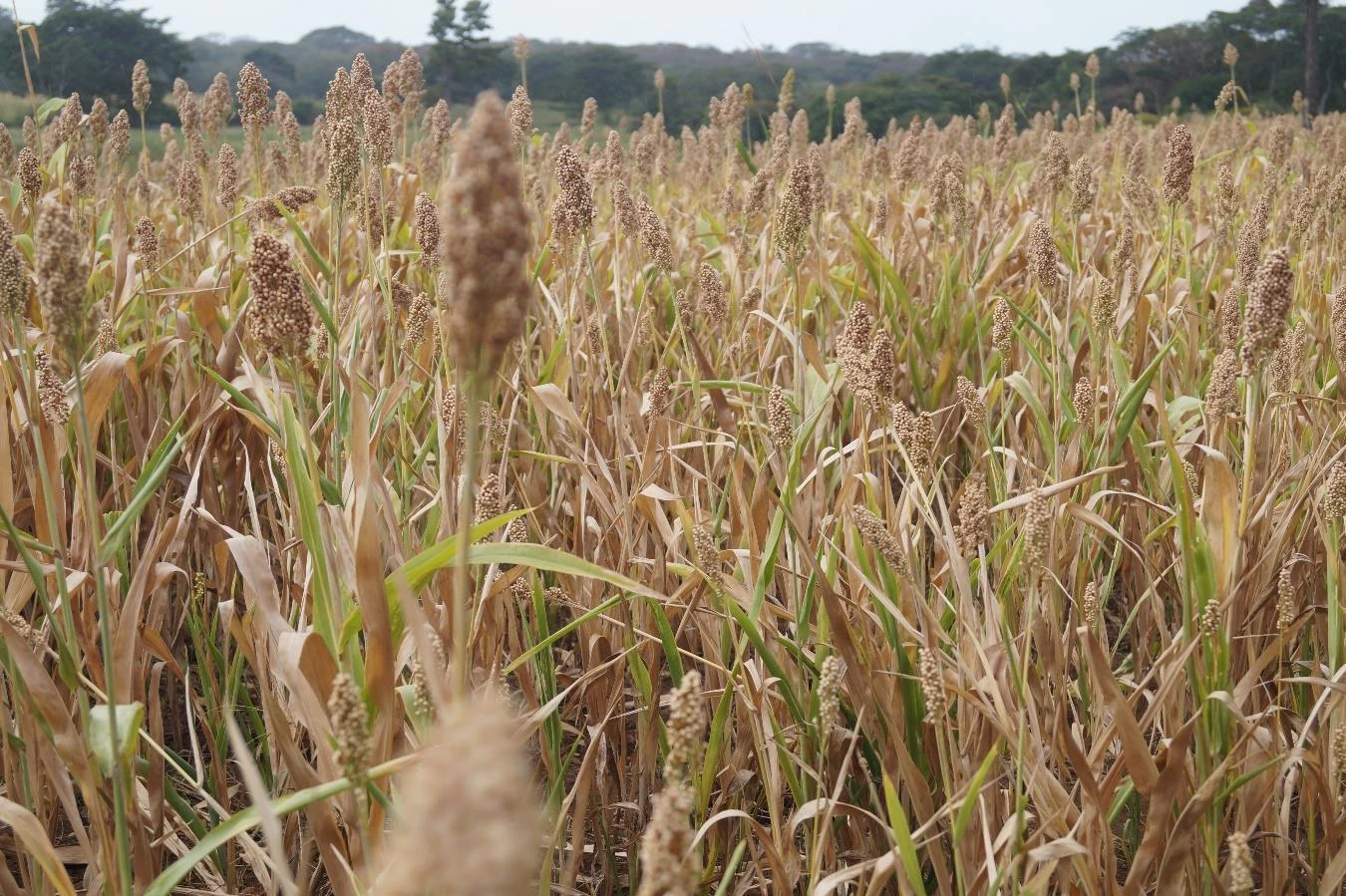
Nicaraguan farmers had planted 7,300 manzanas of sorghum by July 2026, according to monitoring by the country’s Ministry of Agriculture, known as MAG. The reported area covers white and millón sorghum planted during the first agricultural season, providing an early indication of domestic grain production activity.
Viva Nicaragua reported that more than 6,000 farms contributed to the planting total. The cultivation was spread across Madriz, León, Boaco, Matagalpa, Managua, Estelí, Nueva Segovia, Chontales, Chinandega, Carazo, Río San Juan, Rivas and the South Caribbean Coast Autonomous Region, or RACCS.
The wide geographical distribution makes the planting progress relevant beyond any single production zone. It indicates that sorghum remains part of farm planning across Nicaragua’s northern, central, Pacific, southern and Caribbean territories. The source did not provide a regional breakdown of planted area, production forecasts or comparisons with the previous season, limiting the extent to which the July figure can be assessed against historical performance.
Crop supports food and livestock supply
Sorghum serves two domestic markets in Nicaragua. Viva Nicaragua identified the crop as a source of feed for both large and small livestock, while also noting its place in household diets. That combination connects the planting campaign with the availability of animal feed as well as grain for direct human consumption.
For livestock producers, the eventual harvest could contribute to local feed supplies and reduce pressure on farms that depend on other grains. The final effect will depend on yields, harvest conditions and how much production is directed toward feed rather than household consumption. None of those figures was included in the MAG monitoring information cited by Viva Nicaragua.
The crop’s drought resistance and efficient use of water were emphasized by the publication as important characteristics for Nicaraguan growing conditions. Those traits can make sorghum a practical option for farms managing limited or variable rainfall, particularly where more water-intensive crops carry greater production risk.
Technical support underpins dispersed production
Viva Nicaragua attributed the planting advance partly to technical and broader support provided to producers. With more than 6,000 farms involved in an aggregate area of 7,300 manzanas, the campaign is characterized by production distributed among a large number of agricultural holdings rather than concentrated in a small group of operations.
This structure has implications for the next stages of the crop cycle. Harvest performance and market availability will depend on conditions across numerous farms and production areas. Coordination of technical assistance can therefore affect crop management, while the movement and aggregation of harvested grain will determine how efficiently output reaches livestock producers, processors and household markets.
The reported planting area is a measure of progress rather than final supply. MAG’s July monitoring does not establish how much sorghum will be harvested, the expected yield per manzana or the volume that will enter commercial channels. Weather through crop development and harvesting will remain central to the final result.
Market impact depends on harvest outcome
The July data provide domestic buyers with an initial view of the area committed to sorghum during the first season. However, Viva Nicaragua did not report farm-gate prices, processing capacity, inventories, import volumes or export plans. It is therefore not yet possible to quantify the planting campaign’s effect on grain balances or trade flows.
For feed users and agricultural market participants, the next meaningful indicators will be harvested area, yields and total production. The allocation of the crop between livestock feed and food use will also shape availability. Until those figures emerge, the 7,300-manzana total primarily signals broad farmer participation and continued use of sorghum as a drought-tolerant component of Nicaragua’s grain economy.