Nicaragua introduces mandatory registration and traceability system for pigs
Nicaragua has made registration compulsory for every participant in the pork supply chain. Movement permits become mandatory on February 3, 2027, followed by lot and individual identification requirements from February 2028.
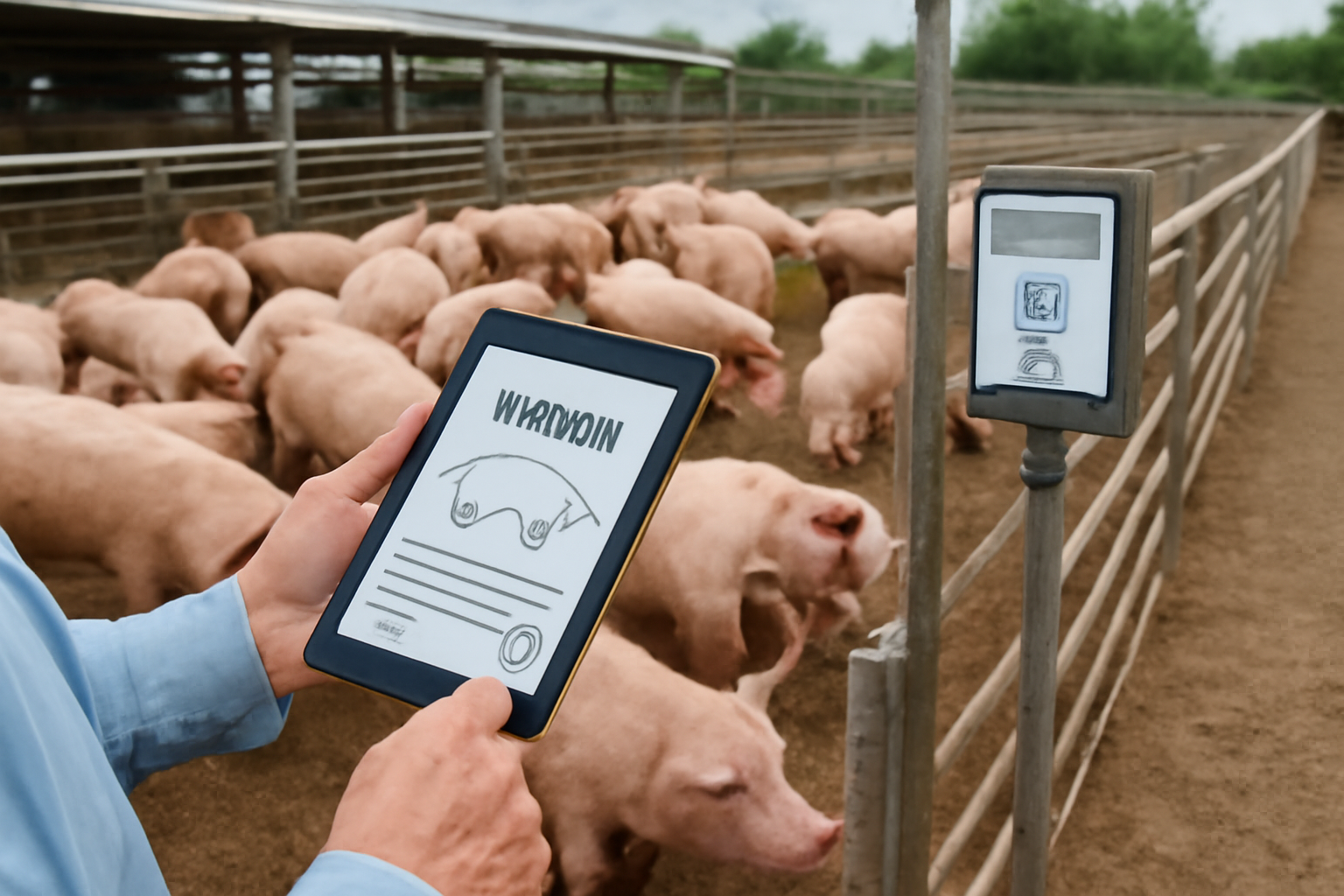
Registration begins across the pork chain
Nicaragua has established a national registration and traceability system for pigs, extending regulatory oversight from farms to slaughterhouses and processing plants. Executive Resolution 035-2026, issued by Ricardo Somarriba, executive director of the Institute for Agricultural Protection and Health, or IPSA, was published in the official gazette La Gaceta on September 3, 2026. Registration became compulsory that day for every public or private individual and legal entity involved in the pork food chain.
The measure covers industrial, semi-industrial, family and backyard pig farms, as well as collection centers, genetic centers, traders, transport operators and their vehicles. Industrial slaughterhouses, municipal abattoirs and processing plants must also join the system. This broad scope is significant in a market where, according to La Prensa, thousands of small producers and households raise pigs and many family businesses buy animals, slaughter them and sell pork, chicharrón and other products from their homes.
Operators must register through the Trazaragro information system and provide the geographic coordinates of their establishment, using the corral or principal pig-handling infrastructure as the reference point. Trazaragro will then issue an alphanumeric Unique Establishment Code, known as a CUE, which is permanent and cannot be duplicated. Businesses already holding a CUE for another agricultural activity will retain it, with pig production added as a new operating unit. Former owners must notify IPSA when an establishment changes hands.
Movement controls and electronic identification
Implementation will proceed in stages. From February 3, 2027, six months after registration opened, pigs may be transported within Nicaragua only with a Single Movement and Health Control Guide, known as Guiasa. The document authorizes and supports the movement, transportation and sanitary control of pigs, but does not constitute or replace proof of ownership.
Animals moved within the country must be identifiable through farm systems such as ear tags, notches or tattoos, or through official radio-frequency identification tags. Breeding pigs must carry an official identification device. By February 2028, within the resolution’s maximum 18-month implementation period, lot identification will become mandatory at collection centers, while individual animals will require RFID ear tags. Non-compliance may result in sanctions under existing legislation, although the resolution does not specify the penalties.
IPSA says the program is intended to meet international market requirements and standards set by the World Organisation for Animal Health. It is also designed to strengthen defenses against cross-border threats such as African swine fever and consolidate Nicaragua’s status as a country free of classical swine fever. Better records could allow authorities to identify origins and movement routes more quickly during a disease incident.
Small producers question deadlines and market rationale
Livestock-sector representatives interviewed anonymously by La Prensa expressed skepticism about the timetable and the ability of small operators to complete the required procedures. They pointed to Nicaragua’s cattle traceability program, created in 2009. Despite operating in a more organized and better-resourced industry, that system missed deadlines and has not achieved a principal objective: access for Nicaraguan beef to the European Union market.
Official information on the cattle program’s results remains limited. IPSA’s 2023 management report, published in January 2024, said the system covered 181,000 farms and 6.30 million cattle, according to La Prensa. However, no comprehensive official results report has been released during the program’s 17 years of operation.
Industry representatives also question which international demand the pig system is intended to address because Nicaragua does not currently export pork. Instead, the country imports significant volumes, particularly from the United States under tariff preferences provided by DR-CAFTA, La Prensa reported. The immediate commercial impact will therefore fall on domestic producers, traders, transporters and processors. For larger businesses, traceability may improve sanitary controls and readiness for future markets; for small and backyard operators, geolocation, registration, movement documentation and identification requirements introduce new administrative and compliance burdens.