New Zealand apples fill China’s seasonal supply gap as import competition intensifies
New Zealand apples are in their peak sales period in China, supported by counter-seasonal availability, diverse varieties and consistent quality. Importers nevertheless face exchange-rate exposure, freight, tariffs, cold-chain costs and competition from abundant domestic fruit.
Counter-seasonal arrivals support sales
New Zealand apples have entered their peak sales period in China as summer brings a seasonal transition in domestic supplies. FreshPlaza reports that the Southern Hemisphere harvest gives exporters a counter-seasonal advantage, allowing newly harvested fruit to reach China when local availability is relatively low. The timing supports demand from consumers who place a premium on freshness, while offering importers an additional source of supply during the transition.
Harvesting in New Zealand typically begins in February, and the first consignments can arrive in China by the end of that month. More varieties enter their harvesting windows from March onward. Ocean transit generally takes 21 to 28 days, making cold-chain planning and sales timing central to maintaining quality and controlling inventory.
Chen’s Sun, a Chinese fruit importer developing overseas sourcing channels, said performance at origin has been strong this season. According to the company’s chairwoman, Ms. Chen, the fruit has recorded higher sugar content than in previous years, supporting its eating quality. She linked the wider appeal of New Zealand apples to the country’s growing conditions, cultivation expertise, varietal research and strict quality controls.
Varieties and quality strengthen market position
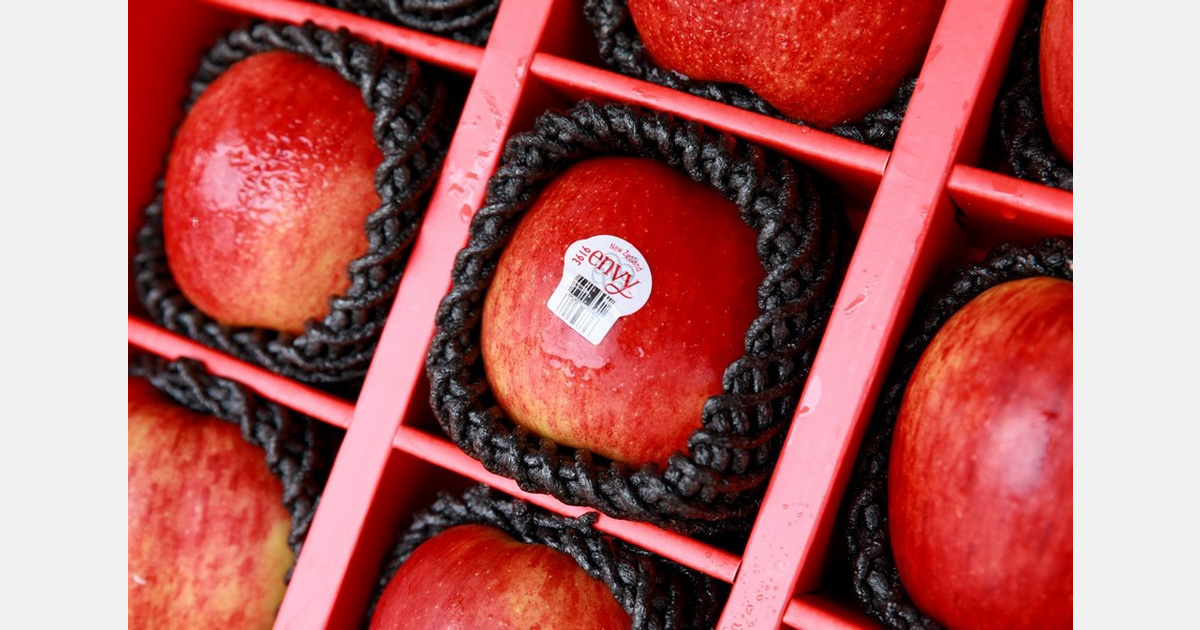
The assortment available to Chinese buyers includes Queen, Gala, Dazzle and Envy. Queen is an established variety, while Gala is known for a fine, crisp texture. Dazzle has gained greater market recognition in recent years, and Envy is valued for its resistance to oxidation. New varieties continue to emerge, giving importers scope to adjust their portfolios as consumer preferences change.
Ms. Chen said New Zealand fruit has achieved strong acceptance for color, appearance and taste. Commercial performance also matters to importers: the apples have a relatively low overall defect rate, while suppliers provide substantial after-sales support. These factors can reduce losses and disputes across a chain that includes ocean transport, customs clearance, cold storage, distribution and retail.
New Zealand apples already have a mature consumer base in China. Chen’s Sun concentrates promotional activity around Labor Day, the Dragon Boat Festival, the Mid-Autumn Festival and National Day, when fruit demand typically rises. Supermarkets are particularly suitable for themed campaigns because the fruit’s appearance, quality and range of varieties support concentrated promotions.
Costs and domestic supply limit the opportunity
The favorable seasonal window does not remove commercial pressure. Ms. Chen identified exchange-rate fluctuations, abundant Chinese fruit supplies and high import costs as the main challenges. Imported apples carry ocean freight, customs duties and cold-chain warehousing expenses, while currency movements directly affect procurement costs. Because the sales window extends across much of the year, importers must also manage stock and selling pace over a long cycle.
Competition is becoming more intense, but Chen’s Sun has designated New Zealand apples as a key import project. The company said its business is showing a consistent upward trend and that it adjusts its varietal mix and sales pace according to market demand while strengthening relationships with overseas suppliers. It also uses industry exhibitions to engage with suppliers and Chinese buyers and to assess possible product introductions.
Origin alone, however, is becoming a weaker differentiator. Ms. Chen said Chinese consumers are paying closer attention to food safety, taste, variety and freshness. For exporters and importers, the opportunity therefore depends on matching individual cultivars to Chinese demand, preserving quality during the 21-to-28-day voyage and controlling costs—not simply relying on New Zealand’s reputation or seasonal advantage.