New York cocoa futures fall 4.69% as supply outlook improves
December cocoa futures dropped 4.69% in New York on Tuesday, August 11. Globo Rural linked the decline to indications of a modest improvement in supply fundamentals.
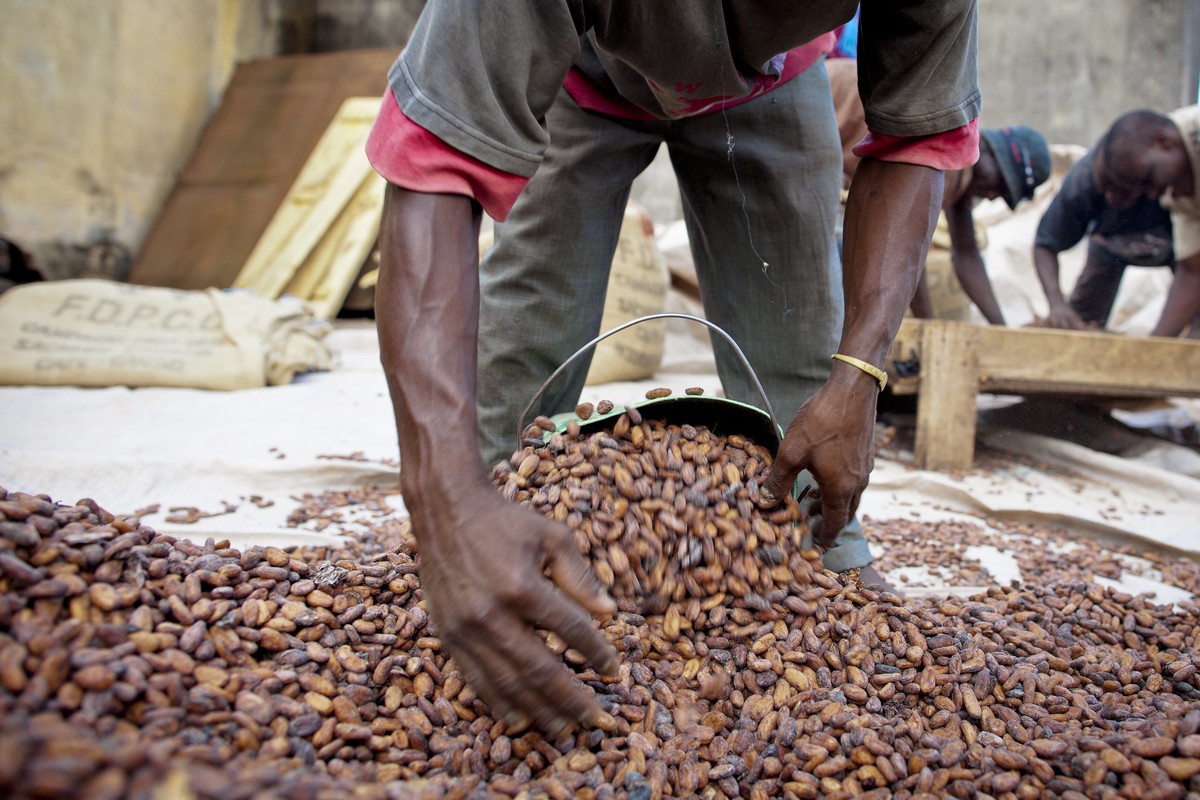
Cocoa futures retreat in New York
December cocoa futures fell 4.69% on the New York market on Tuesday, August 11, as traders assessed indications of a modest improvement in supply fundamentals. Globo Rural described the move as a sharp decline driven by expectations that availability could become less constrained.
The reported percentage change indicates a substantial one-session adjustment, although the available source material does not provide the contract’s closing price. The move therefore offers a clear signal about direction and market sentiment, but not enough information to measure how current values compare with production costs, physical-market prices or earlier trading levels.
Supply expectations weaken price support
Cocoa prices are particularly sensitive to changes in expected bean availability because processors require a continuous flow of raw material. Even a slight improvement in the supply outlook can reduce the premium traders are willing to pay when futures have been supported by fears of tight availability.
The report refers to an improvement in supply fundamentals rather than a confirmed increase in production or inventories. That distinction matters for market participants. An outlook can change as crop expectations, deliveries and commercial assessments evolve, while actual supply must still reach processors in the required volumes and quality.
The decline may offer some relief to cocoa grinders and chocolate and confectionery manufacturers facing raw-material exposure. A lower futures price can reduce prospective procurement costs, but the benefit depends on companies’ hedging positions, contract timing and the relationship between exchange-traded futures and physical cocoa prices.
Implications for producers and buyers
For producers, a sustained price decline would weaken revenue expectations, particularly for cocoa that has not yet been priced. The immediate effect will vary according to local marketing systems, currency movements and the terms under which beans are sold. The source does not report corresponding changes in physical prices or producer payments.
Traders and importers will now need to determine whether the 4.69% fall represents a temporary correction or the start of a broader response to improving availability. Confirmation would require further evidence from crop development, bean arrivals, inventories and processing demand. None of those indicators was quantified in the supplied report.
For industrial buyers, the market move changes the cost environment but does not remove supply risk. Futures can decline on expectations before additional cocoa becomes physically available. Companies therefore still face decisions over how much coverage to secure and whether improving sentiment will translate into better offers in the physical market.
Market awaits confirmation
The next direction for cocoa will depend on whether the reported improvement in fundamentals is sustained. If supply conditions continue to ease, buyers may gain greater negotiating room and futures could face additional pressure. If the improvement proves limited, concerns over availability could return and restore support to prices.
For now, the 4.69% decline shows that supply expectations have become less supportive of New York cocoa. It does not, by itself, establish that the underlying market has moved into surplus. Producers, processors and traders will need physical-market evidence before treating the adjustment as a lasting change.