Netherlands Ranks Second in Europe for Exports of AI-Enabling Equipment
The Netherlands is Europe’s second-largest exporter of equipment supporting the development and use of artificial intelligence, behind Germany, ANP reported. The ranking highlights the country’s role as both a technology-manufacturing location and a distribution base for European trade.
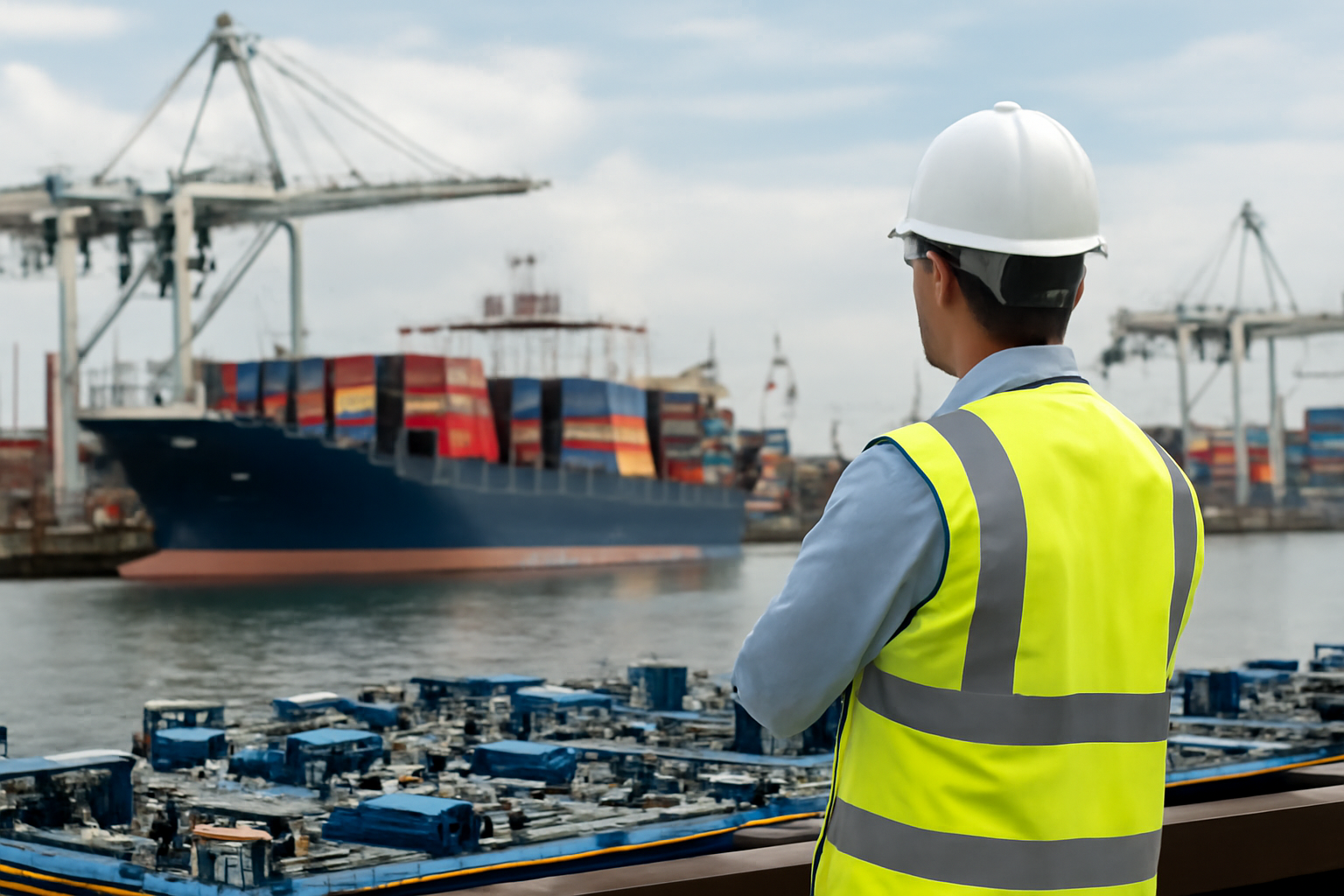
Netherlands takes second place behind Germany
The Netherlands is the second-largest European exporter of equipment that enables the development and application of artificial intelligence, behind Germany, according to a report carried by Dutch news agency ANP. The finding places the Netherlands near the top of a European market serving the computing, data-processing and supporting technology requirements associated with AI.
ANP said the assessment came from a credit insurer, although the supplied report extract did not identify the company or provide an export value, growth rate, product breakdown or reference period. The available information therefore establishes the Netherlands’ relative position in Europe but does not show the size of the gap between Germany and the Netherlands or between the Netherlands and other European exporters.
Manufacturing and re-exports support the ranking
The result is consistent with the Netherlands’ combined role as a technology-manufacturing base and a hub for re-exporting equipment. These two activities have different implications for companies assessing the market. Domestically manufactured goods create demand across industrial supply chains, while re-exports reflect the movement of imported products through Dutch distribution channels toward buyers elsewhere.
That distinction matters when interpreting an export ranking. A high position does not by itself reveal how much value was created inside the Netherlands, how much equipment entered from other producing countries, or what share was shipped onward to other European markets. A detailed product-level and origin-based breakdown would be needed to separate domestic production from the country’s logistics and wholesale functions.
The term “AI equipment” can also cover several parts of the technology chain. Depending on the report’s classification, it may include data-processing hardware, electronic components or machinery used to manufacture advanced electronics. The source extract does not define the covered product group, so the ranking should not be treated as a measure of one specific product category.
Implications for suppliers and buyers
For producers and component suppliers, second place signals that the Netherlands is an important European sales and distribution market for equipment linked to AI deployment. For traders and logistics operators, it points to the country’s role in connecting technology supply chains with customers across Europe. Importers and industrial buyers may also view Dutch channels as a significant source of equipment, spare parts and related systems.
The ranking does not establish whether Dutch exports are rising or falling, and the supplied material gives no information about destinations, prices or trade balances. Those data would be necessary to determine whether the position reflects expanding demand, changes in production, higher equipment prices or the rerouting of trade flows.
Trade data will determine the commercial picture
The main confirmed conclusion is comparative: Germany leads Europe, and the Netherlands follows in second place. For investors and market analysts, the next step is to examine the underlying customs classifications, shipment values, origins and destinations. That would show which physical products drive the ranking and which producers, distributors and buyer markets are most exposed to changes in Dutch AI-equipment trade.