Netherlands removes Spanish cantaloupe melons after pesticide alert
Dutch authorities removed Spanish cantaloupe melons from supermarket shelves after pesticide residues were reported at twice the permitted limit. The case was communicated through the EU Rapid Alert System for Food and Feed.
Dutch authorities act on pesticide finding
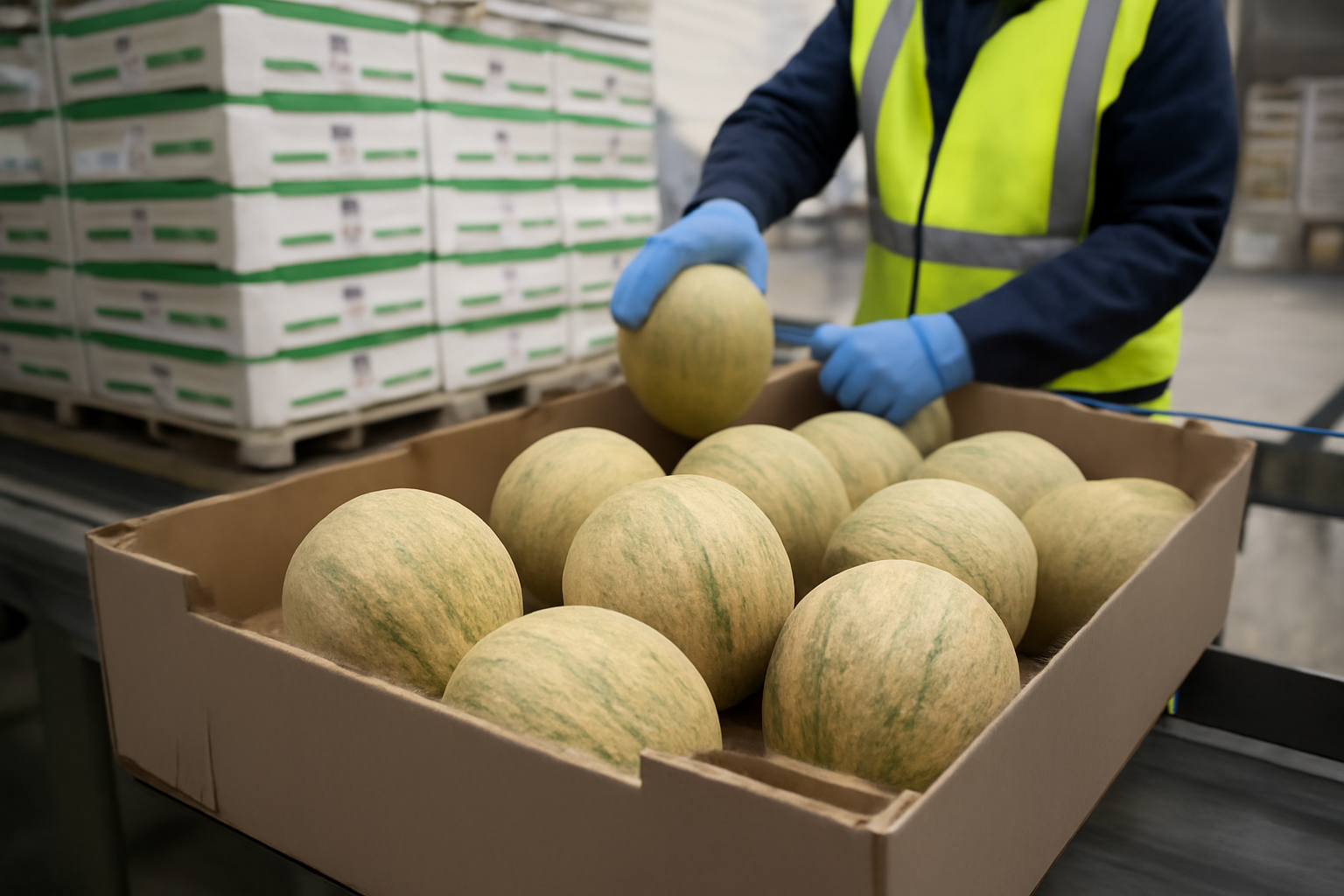
The Netherlands has removed cantaloupe melons originating in Spain from supermarket shelves after tests identified pesticide residues at twice the permitted legal limit. The Dutch notification was issued in June through the European Union’s Rapid Alert System for Food and Feed, known as RASFF.
The available information does not identify the pesticide involved, the measured concentration, the volume of fruit affected or the Spanish producer and exporter. It also does not specify which Dutch supermarket chains received the melons. The action therefore concerns the identified product rather than all Spanish melons sold in the Netherlands.
RASFF connects regulators and food businesses
The European Commission says RASFF allows European food-safety authorities to exchange information rapidly when food or feed presents a risk. Notifications enable members of the network to trace affected consignments and take measures such as withdrawing products already in distribution.
For growers, packing companies, exporters and retailers, traceability is central to limiting the commercial impact of such an incident. Batch records and distribution information determine whether authorities can isolate the affected melons or whether businesses must apply a broader precautionary withdrawal. The absence of disclosed shipment and supplier details means the immediate scale of the Dutch action cannot be quantified from the available material.
Spanish suppliers face closer scrutiny
The removal places additional food-safety scrutiny on Spanish produce supplied to the Dutch market. Compliance with maximum residue limits is a condition of sale within the EU single market even when goods move between two member states. A residue finding can therefore interrupt distribution after a product has crossed the border and reached retail shelves.
The commercial consequences will depend on the number of lots involved and whether further testing identifies the same problem in related shipments. A case limited to one traceable lot would have a narrower effect on growers and buyers. Evidence of repeated non-compliance could lead customers to increase testing or demand stronger documentation from suppliers. No broader restriction on Spanish melon sales has been reported in the material provided.
Information gaps remain
The alert establishes two central facts: the cantaloupe melons came from Spain, and the detected pesticide level was twice the legal limit. It does not provide enough information to assess consumer exposure, estimate losses or determine whether the problem originated in field treatment, handling or another stage of the supply chain.
Importers, distributors and supermarket quality teams will now focus on lot identification, supplier records and any follow-up notices distributed through RASFF. Spanish producers serving northern European retailers may also review residue-testing procedures before dispatch. Until authorities disclose the pesticide, shipment size and affected operators, the incident should be treated as a targeted product withdrawal rather than evidence of a market-wide failure.