Nestlé to invest 23 billion baht in new AI-driven Nescafé factory in Thailand
Nestlé has announced a 23 billion baht investment in a new, wholly-owned Nescafé factory in Samut Prakan, ending a 30-year 50:50 joint venture with the Mahakit Siri family. The plant will have an annual capacity of 170,000 tonnes, start production in late 2028 and create more than 520 jobs.
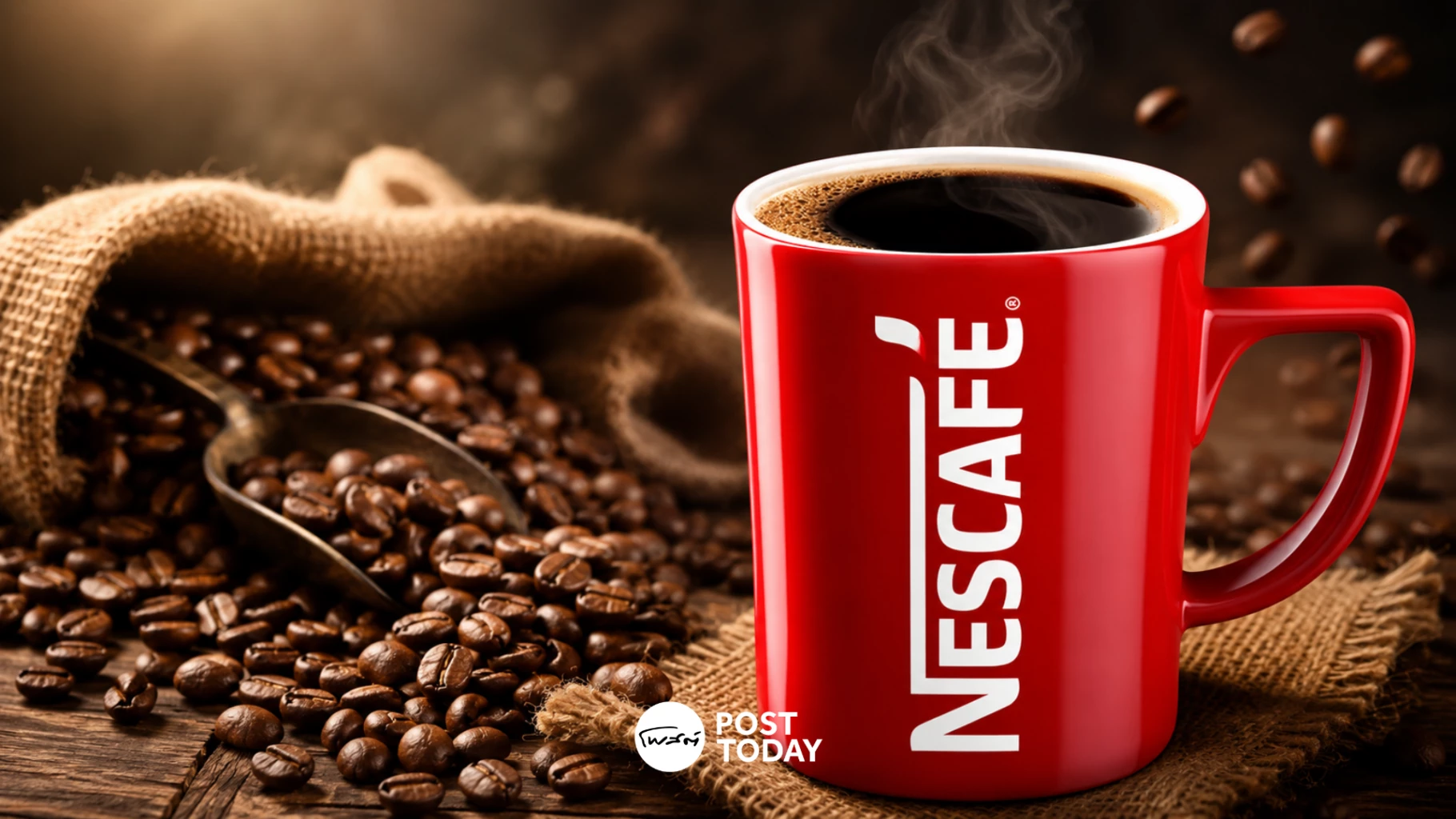
Nestlé to build wholly-owned Nescafé plant in Thailand
Nestlé has announced an investment of 23 billion baht to build a new coffee factory in Thailand, marking the end of a 30-year joint-venture model under which it did not own the plant producing its flagship Nescafé brand. The facility will be located in the Arya Industrial Estate in Samut Prakan province and is scheduled to begin production in late 2028, according to posttoday.com and nationtv.tv.
The plant will produce instant coffee, 3-in-1 mixed coffee and ready-to-drink canned coffee under the Nescafé brand, with a combined capacity of 170,000 tonnes per year. Nestlé says the investment covers both the production facility and a large distribution centre, and will create more than 520 jobs in Thailand, spanning technology specialists and mid- to high-skilled workers.
End of the Mahakit Siri joint venture
For more than 30 years, Nestlé did not manufacture Nescafé in Thailand through its own plant. Instead it relied on Quality Coffee Products Ltd (QCP), a 50:50 joint venture with the Mahakit Siri family, established by Prayuth Mahakit Siri, who founded QCP in 1989. Under the arrangement, QCP produced the coffee while Nestlé owned the brand, trademarks, formulas, technology and marketing, according to posttoday.com.
The partnership began to unravel in 2021, when Nestlé moved to terminate the joint-venture agreement and took the matter to arbitration. In 2023 the Mahakit Siri side filed suit, accusing Nestlé of overcharging fees by more than 3 billion baht. The joint venture ended on 31 December 2024 under an arbitration ruling, stripping QCP of the right to produce Nescafé. On 21 May 2026 the Singapore High Court issued a final judgment upholding the international arbitration award, confirming Nestlé's termination as lawful and dismissing the Mahakit Siri claims, posttoday.com reported.
Automation and local sourcing
The new plant will install Nestlé's most advanced coffee-extraction and aroma-preservation technology alongside full automation, including robotics, automated storage and retrieval systems (ASRS), artificial intelligence and intelligent process controls. Nestlé says the technology is intended to raise quality, increase efficiency and support environmentally sustainable operations. The project is promoted by Thailand's Board of Investment (BOI) and aligns with the country's Bio-Circular-Green Economy goals, according to nationtv.tv.
Nestlé expects to source local raw materials and supplies worth about 4.3 billion baht per year, including coffee beans, sugar and raw milk from Thai farmers. The company has been a major buyer of Thai robusta beans for more than four decades, purchasing more than half of the country's annual robusta output, and has expanded robusta cultivation into new areas, most recently Mae Sot district in Tak province.
Thailand as a production base
Nikhil Chandra, Chairman and CEO of Nestlé Indochina, said the factory would strengthen Nestlé's Nescafé business in Thailand and support exports. Figures on cumulative investment differ between sources: posttoday.com reports Nestlé invested more than 22.8 billion baht in Thailand between 2018 and 2024, while nationtv.tv cites more than 27.8 billion baht between 2018 and 2025.
Nescafé was introduced in Thailand in 1973 and is now the country's number-one coffee brand. The Thai coffee market is valued at around 65 billion baht, covering both in-home and out-of-home consumption. Nestlé, which employs more than 3,000 permanent Thai staff, also operates a non-dairy creamer plant in the Bangpu Industrial Estate that exports to about 50 countries, and two pet-food factories in Rayong that export to more than 20 countries, according to posttoday.com.