Nepal’s tea exports to India fall by 2,260 tonnes, cutting earnings by Rs 640 million
Nepal exported 13,045 metric tonnes of tea worth Rs 3.53 billion to India through Kakarvitta in FY2025/26. Volume fell by more than 2,260 tonnes and earnings declined by about Rs 640 million amid price volatility and quality-related trade barriers.
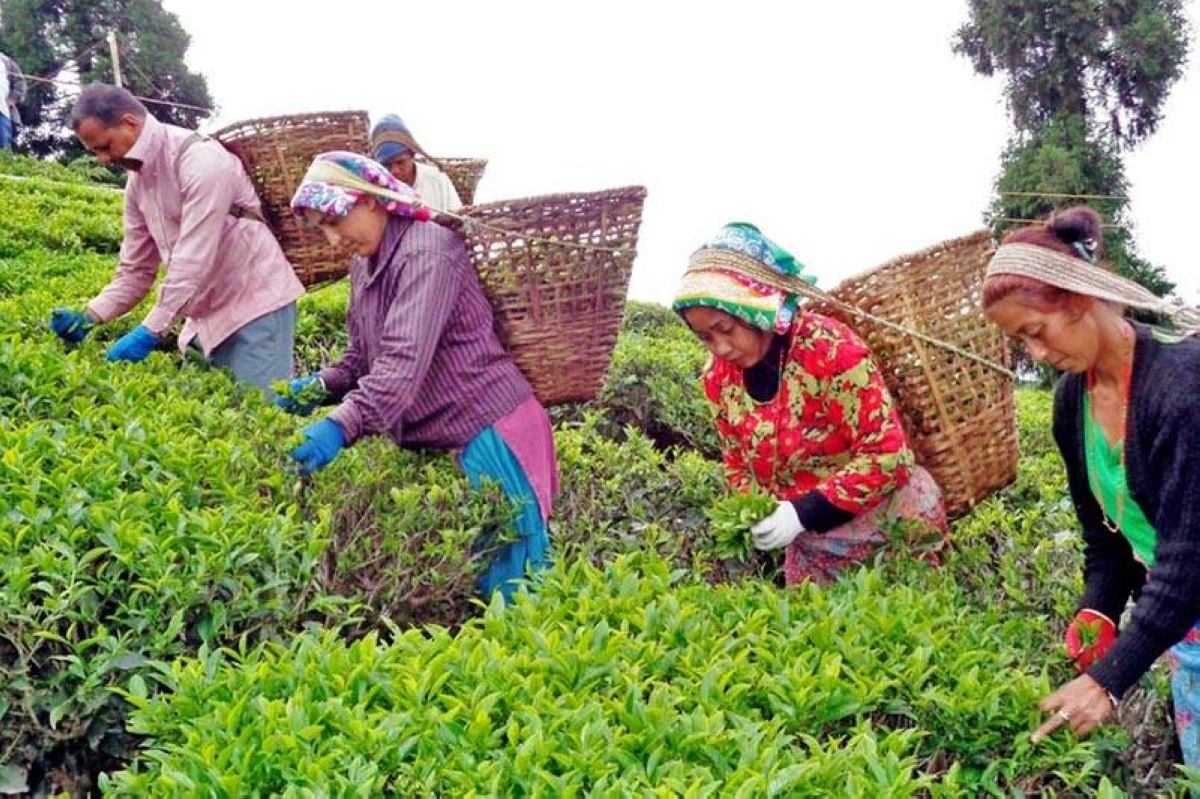
Volume and revenue decline at Kakarvitta
Nepal’s tea exports to India through the Kakarvitta border point declined in both volume and value in fiscal year 2025/26, increasing pressure on growers, processors and suppliers that depend on the Indian market. Data from the Kakarvitta Customs Office show that Nepal shipped 13,045 metric tonnes of tea worth Rs 3.53 billion during the year.
In FY2024/25, exports through the same eastern border point reached 15,311 metric tonnes with a value of Rs 4.17 billion. The year-on-year decline exceeded 2,260 metric tonnes, while earnings fell by Rs 639.69 million, according to My Republica. The Himalayan Times reported the lost revenue at nearly Rs 640 million and linked the setback to volatile prices, quality-related trade barriers and changing market demand.
Indian prices and quality checks weigh on shipments
Chief Customs Administrator Shivlal Neupane said fluctuations in Indian market prices affected exports. He also identified non-tariff barriers associated with quality testing, as well as changes in production and pricing driven by international demand. These factors can disrupt sales even when tea is available for shipment, because access to the principal market depends on inspection outcomes and commercially viable prices.
India is the primary destination for Nepali tea, including a significant portion of the country’s CTC and orthodox output. Much of that trade crosses at Kakarvitta in Jhapa. The concentration gives producers access to a large neighboring market, but it also leaves the supply chain exposed when Indian prices weaken, testing requirements hinder clearance or demand patterns change.
Growers and processors face greater market risk
Tea remains the second-largest export commodity handled through Kakarvitta after large cardamom, underlining its importance to the eastern border economy. The reduction in shipments therefore affects more than customs revenue. Lower export volumes can constrain purchases from farmers, reduce throughput for factories and limit business for suppliers and traders involved in collecting, processing and moving tea.
The revenue decline is especially material for exporters because it occurred alongside the drop in physical volume. Producers of both CTC and orthodox tea must contend with uncertain Indian prices and quality inspections while retaining access to the destination that absorbs much of Nepal’s output. The available customs data do not indicate that another market offset the contraction through Kakarvitta.
My Republica said the decline could also widen Nepal’s trade deficit. For the tea industry, the figures highlight the commercial risk created by dependence on one principal destination and one important border corridor. Future export performance will depend on Indian demand and prices, the handling of quality-related barriers and the ability of Nepali growers, processors and exporters to respond to changes in international production and pricing.