Nepal sugarcane growers seek 1,025 rupees per quintal and threaten protests over arrears
Nepalese sugarcane growers are demanding a subsidized price of 1,025 rupees per quintal, up from 690 rupees received last year. They also claim three sugar mills owe farmers a combined 480 million to 500 million rupees and warn that failed talks could trigger protests.
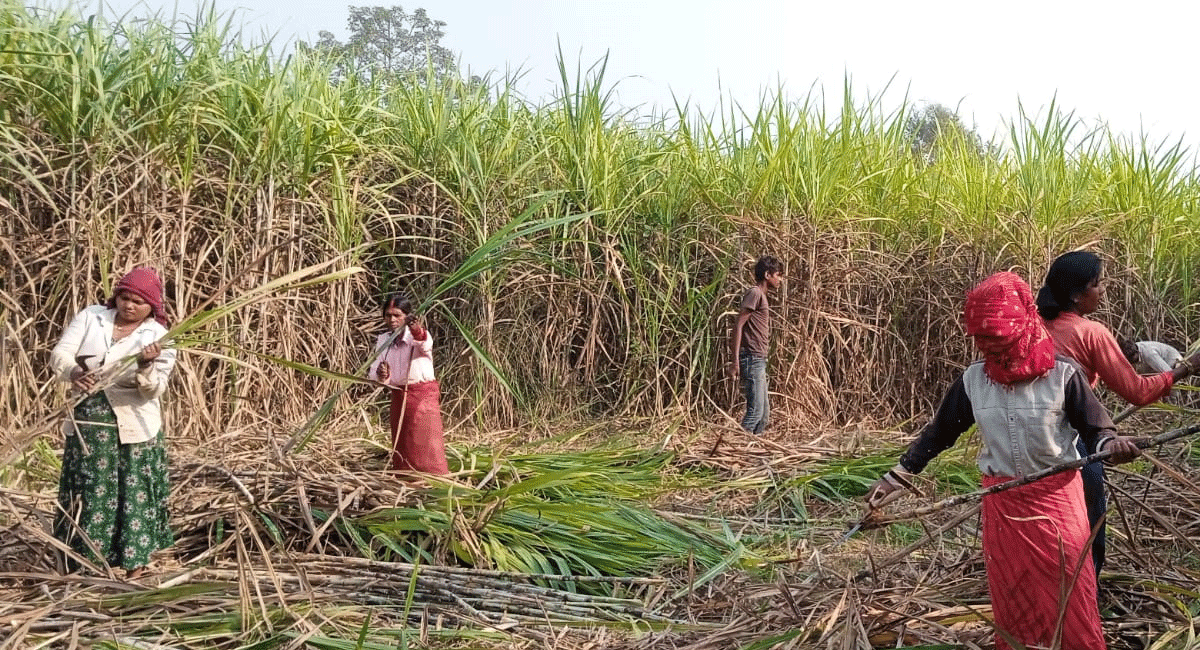
Growers seek a 49% increase
Nepalese sugarcane farmers have asked the government to set the current fiscal year's price at 1,025 rupees per quintal, including the state subsidy. The Federation of Sugarcane Producing Farmers plans formal talks with the government on Thursday and says it will announce protests if the parties cannot agree on the price and payment of outstanding mill debts, Annapurna Post reported.
Last year, the government fixed the cane price at 620 rupees per quintal and provided an incentive subsidy of 70 rupees, bringing growers' total receipts to 690 rupees. The new demand is 335 rupees higher, an increase of about 49%. Federation president Shyam Babu Rai said the previous payment did not cover production costs as labor, fertilizer, seed and transport became more expensive.
Rai argued that Nepal's production costs are higher than those in India and that farmers should benefit from the increase in market sugar prices. He said the cane price should reflect growers' investment and market conditions, warning that farmers could stage sit-ins at sugar factories if their demand is not addressed.
Three mills allegedly owe up to 500 million rupees
Price negotiations are taking place alongside a dispute over delayed payments for cane purchased in fiscal year 2082/83. According to the federation, Annapurna Sugar Mill owes approximately 160 million to 170 million rupees, Mahalaxmi Sugar Mill owes 120 million to 130 million rupees, and Baba Baiju Sugar Mill owes about 200 million rupees. The organization puts the combined arrears at roughly 480 million to 500 million rupees.
Farmers say delayed receipts leave them without enough working capital for the next crop. Their demands therefore cover both a higher official price and immediate settlement of mill arrears. If payments remain unresolved as the next crushing cycle approaches, growers may have difficulty financing inputs while factories could face protests or interruptions in cane deliveries.
Recovery-based formula under discussion
The Ministry of Agriculture, Forest and Environment has begun consultations with farmers and sugar producers and is trying to settle the price issue this week. Senior agricultural economist and information officer Dr Mani Ratna Aryal said the two sides face different problems. Mill operators argue that raising the cane price without increasing the regulated sugar price would add to their operating burden and requires coordination with the authorities responsible for sugar pricing.
The ministry is also discussing a recovery-based pricing system for next year. India uses a minimum sugar recovery rate of 10.25% as a pricing benchmark and pays growers more when recovery rises. Nepalese millers generally report recovery of around 7% to 8%. Under the proposal, Nepal could establish a base price at a minimum recovery level and make additional payments when mills extract more sugar.
A joint mechanism representing farmers, government and mills could test recovery in fields with scientific equipment and calculate averages from actual output after crushing. The ministry believes millers are receptive, but farmers may question the formula's transparency and reliability. The talks therefore need to address grower representation, government oversight and independent testing as well as the immediate price. Annapurna Post also reported sugar selling at 130 rupees in the Terai and as much as 150 rupees in Kathmandu, compared with a government-set price of about 90 rupees and an Indian market price of 65 Indian rupees.