Nepal enters South Asia’s dispute over basmati rice geographical rights
Nepal has challenged India’s attempt to secure exclusive European geographical protection for basmati rice. Its intervention broadens a dispute previously dominated by India and Pakistan and raises questions about whether basmati should receive transnational protection.
Nepal adds a third claim to the basmati name
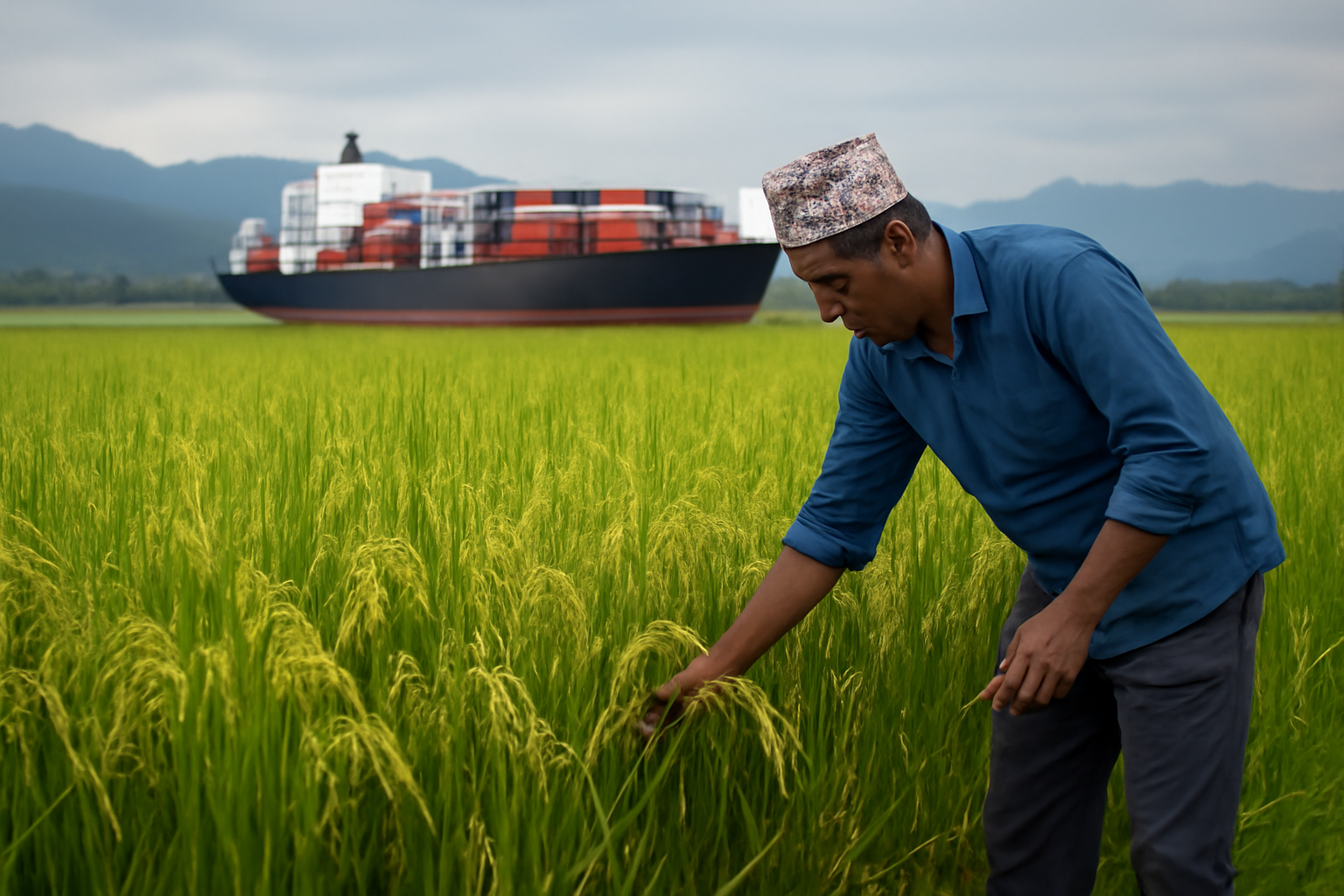
Nepal has entered the long-running contest over who may commercially identify rice as basmati, challenging an attempt by India to obtain exclusive protection for the name in the European Union. The move expands a dispute previously dominated by India and Pakistan and brings another part of the Indo-Gangetic region into the debate over geographical origin, production traditions and branding rights.
Basmati carries particular prestige across South Asia, including in Nepal, where it is served at weddings, religious ceremonies and during Dashain. Nepal’s position is that its own production history and cultural association with the grain should be considered when geographical rights are defined. A study published by the International Review of Intellectual Property and Competition Law said Nepal would need a sound geographical-indication specification if its government intended to promote Nepalese basmati under protected status.
India’s European application faces regional opposition
India submitted its application for protected geographical indication status in the European Union in 2018, seeking protection for basmati grown in specified Indian regions. Pakistan formally opposed that bid in 2021. Nepal also expressed disagreement, although Le Monde reported that Kathmandu did not lodge a formal opposition under the European procedure at that time.
The commercial stakes are substantial. The Week reported that India accounted for 65% of international basmati trade and Pakistan for the remaining 35%. Le Monde reported that India exported more than 4.5 million tonnes, valued at €4.3 billion, in 2022-2023. Pakistan, however, had the stronger position in Europe: more than 200,000 tonnes of Pakistani basmati entered the European market in 2022, compared with approximately 100,000 tonnes from India.
Those flows explain why control of the name matters to processors and exporters. A protected indication can restrict which producers may market goods under a recognised geographical name, helping defend authenticity and potentially supporting premium positioning. Exclusive Indian recognition in the EU could therefore affect Pakistani suppliers and any Nepalese producers seeking to use the basmati designation in that market.
A shared designation remains difficult
The dispute reflects the geography of basmati production. Le Monde described the crop as having been cultivated for centuries in the Indo-Gangetic plain, now divided principally between India and Pakistan. The European Union had previously encouraged India and Pakistan to pursue a joint application, and cross-border geographical indications exist for other products. Political tensions have nevertheless prevented agreement, while Pakistan filed a separate European application in 2023.
Nepal’s involvement further complicates any definition based on a single country. It must demonstrate a documented link between the product’s qualities or reputation and Nepalese territory, while India and Pakistan retain far larger established export industries. For farmers, millers and traders, the eventual decision will determine more than cultural recognition: it will shape labelling rights, brand protection and access to the premium attached to the basmati name. A transnational solution could preserve that name for qualifying producers across established growing areas, but separate national claims leave the European market facing a prolonged legal and commercial contest.