Myanmar sugar industry warns exports may decline in 2026
Myanmar’s sugar industry expects export volumes could fall in 2026 as global sugar prices weaken and demand remains subdued. The outlook raises pressure on mills, cane growers and exporters, although no volume forecast was disclosed.
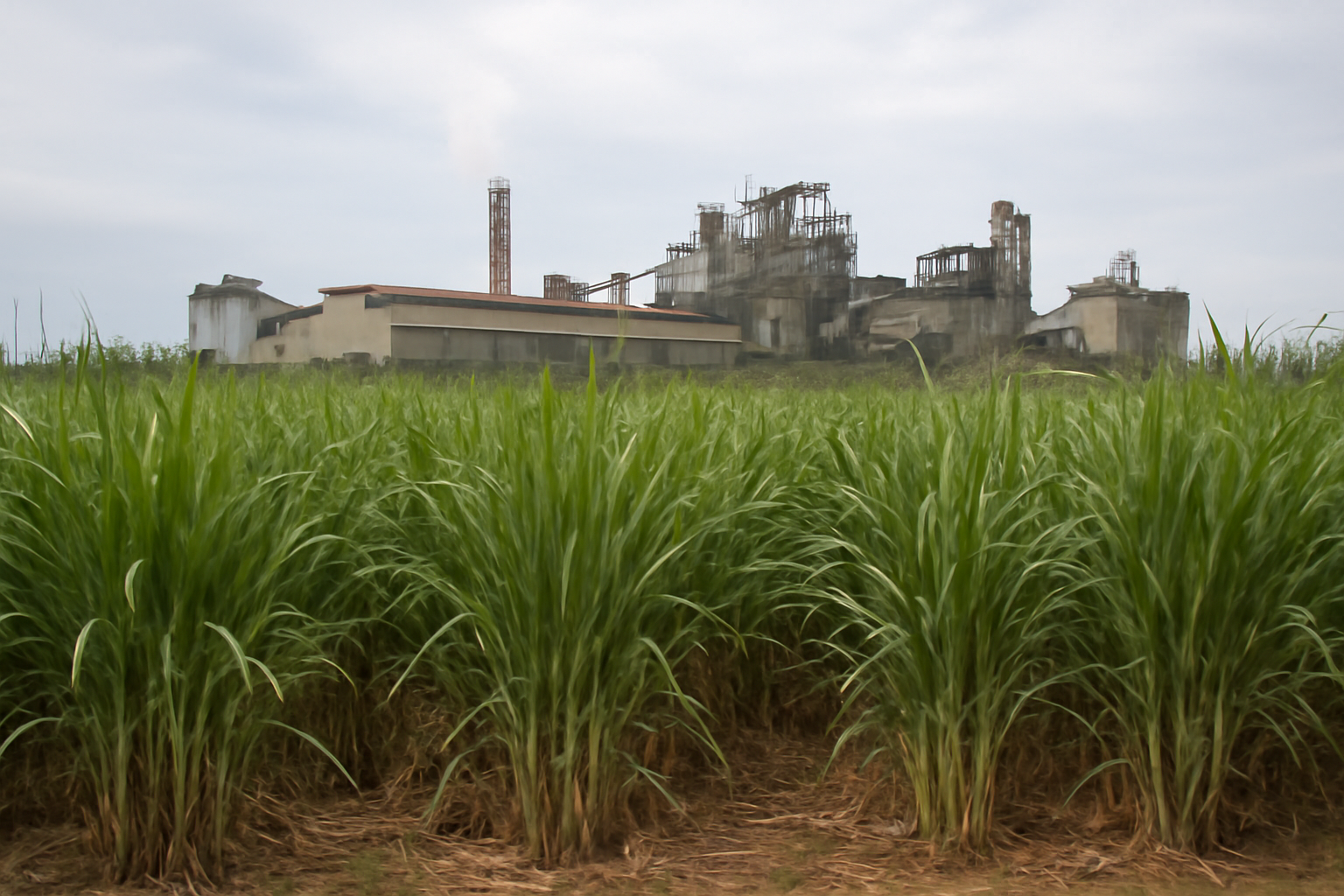
Industry association signals weaker exports
Myanmar’s sugar exports could decline in 2026 as the country’s industry confronts falling global prices and weak demand, according to an outlook from the Myanmar Sugar and Sugarcane Related Products Association. Global New Light of Myanmar reported the association’s assessment on the 21st.
The warning points to a more difficult sales environment for Myanmar’s sugar mills and exporters. The information released did not include a numerical export forecast, a comparison with 2025 shipments or a detailed breakdown of the overseas markets expected to reduce purchases. It nevertheless identifies international prices and demand, rather than a stated domestic production disruption, as the principal risks to exports.
Price weakness reaches the cane supply chain
Lower international sugar prices can narrow the returns available to exporters and processors, particularly when buyers are reluctant to commit to additional volumes. For mills, weaker export realizations may affect decisions on procurement, crushing and inventory. Cane growers can also face pressure if processors respond to poorer sales conditions by limiting purchases or offering less attractive terms.
The effects will depend on the relationship between Myanmar’s production costs, domestic sugar demand and the prices available in foreign markets. The association’s warning does not specify whether exporters expect the decline to result primarily from lower output, reduced competitiveness or buyers postponing orders. Those distinctions matter because each would require a different response from producers and traders.
Market participants await volume guidance
Exporters will be watching global prices and purchasing activity as they plan 2026 sales. A sustained demand slowdown would increase competition among suppliers, while any price recovery could improve the economics of moving Myanmar sugar abroad. Without a published volume estimate, the direction of the forecast is clearer than its likely scale.
Processors also need to balance export opportunities against sales within Myanmar. If overseas demand remains weak, more sugar may have to be marketed domestically or carried as inventory, depending on production and consumption. The available report does not provide figures for output, stocks, crushing capacity or domestic use, preventing a quantitative assessment of that balance.
For agricultural commodity businesses, the association’s statement is an early risk signal rather than a complete supply-and-demand forecast. Concrete estimates for the cane harvest, sugar production and export commitments will be needed to determine how strongly weak global conditions will affect the sector. Until those figures emerge, mills, growers and traders face greater uncertainty over pricing and sales for 2026.