Myanmar’s GW-11 rice commands $580 a tonne in the Philippines
Strong Philippine demand has lifted Myanmar’s GW-11 rice to about $580 per tonne, roughly $100 above comparable Thai rice. The premium is intensifying competition for supplies in Myanmar and challenging established exporters Vietnam and Thailand.
Philippine demand lifts GW-11 prices
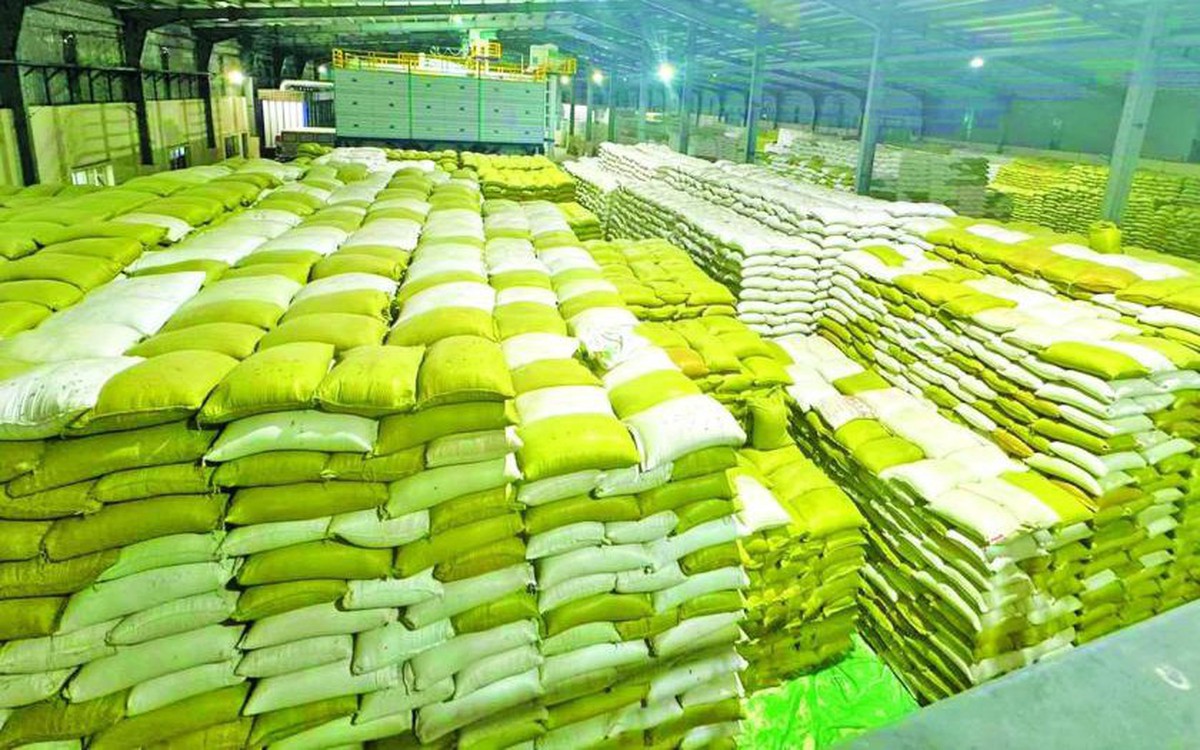
Myanmar’s GW-11 rice is selling in the Philippines for about $580 per tonne after rapidly growing demand pushed the variety to a record price, according to CafeF and Soha. Comparable Thai rice is priced at about $480 per tonne, giving the Myanmar product a premium of roughly $100 per tonne in one of Southeast Asia’s most important rice markets.
Vietnam and Thailand are established suppliers to the Philippines, but GW-11 has attracted greater interest from local buyers because of its grain quality, U Sai Kyaw, a member of the Myanmar Rice Federation’s management committee, told the publications. The premium introduces a new competitive factor for exporters whose market position has traditionally rested on scale, established commercial relationships and consistent access to Philippine buyers.
Myanmar exporters compete for available grain
Myanmar exported more than 800,000 tonnes of rice to international markets from April through August. The Philippines has become one of the major destinations for GW-11 even though the variety entered that market only this year. Its first shipments from the Ayeyawady region initially obtained average prices, but stronger demand subsequently raised their value.
The higher export price is already affecting Myanmar’s domestic supply chain. Farmers in Mandalay are receiving better prices for GW-11, while exporters are competing to procure available stocks. For growers, this creates a stronger incentive to plant the variety. For trading companies, however, competition at origin may narrow margins unless Philippine selling prices continue to compensate for more expensive procurement.
Buyers prepare for purchases of up to 5 million tonnes
The Philippines is preparing to buy as much as 5 million tonnes of rice, according to CafeF and Soha. The reported volume signals continued import demand, although the sources do not specify how much would be allocated to GW-11 or the purchasing timetable. Myanmar will still have to compete with Vietnamese and Thai suppliers for contracts within that broader requirement.
GW-11’s expansion beyond Myanmar began with its first export to China in 2024. Its subsequent entry into the Philippines gives producers access to another large Asian market and reduces reliance on a single destination. The current price gap suggests Philippine buyers are willing to pay for the variety’s characteristics, but it does not establish that the premium will persist as supply grows or competing origins adjust their offers.
Expansion depends on preserving quality
GW-11 is a high-yield summer-autumn rice variety producing about 150-200 baskets per acre. It is cultivated in Ayeyawady, Yangon, Bago, Mandalay and Nay Pyi Taw. Around 80% of its planted area is used in the summer-autumn season, while 10% is cultivated during the rainy season, the reports said.
The Myanmar Rice Federation attributes the variety’s export advantage to the natural quality of the grain and favorable soil and water conditions, rather than processing technology. The federation sees scope to extend cultivation into additional regions, but says higher output must be accompanied by quality control. That condition will be central for Myanmar’s exporters: expanding acreage could provide the volumes required to serve Philippine demand, while inconsistent grain quality could quickly erode the $100-per-tonne advantage over Thai rice.