Morocco suspends import duties on live sheep and red meat until end of 2026
Morocco has suspended customs duties on imports of live domestic sheep and of beef, sheep, goat and camel meat. The measure took effect on 27 July and runs until 31 December 2026. Importers are already signing deals to bring live animals in from Spain.
Morocco lifts import duties on live sheep and red meat
Morocco has suspended the customs duties applied to imports of live domestic sheep and of beef, sheep, goat and camel meat. According to a directive from the Administration of Customs and Indirect Taxes (Administration des Douanes et Impôts Indirects), the measure entered into force on 27 July and will remain in effect until 31 December 2026.
The customs administration circulated the instruction to its regional offices at the start of the week. It sets out the categories concerned: live domestic ovine animals, and the meat of domestic bovine, ovine, caprine and cameline animals. For the covered period these goods can clear Moroccan customs without the tariff that normally applies at the border, lowering the landed cost for importers.
Importers move on Spanish supply
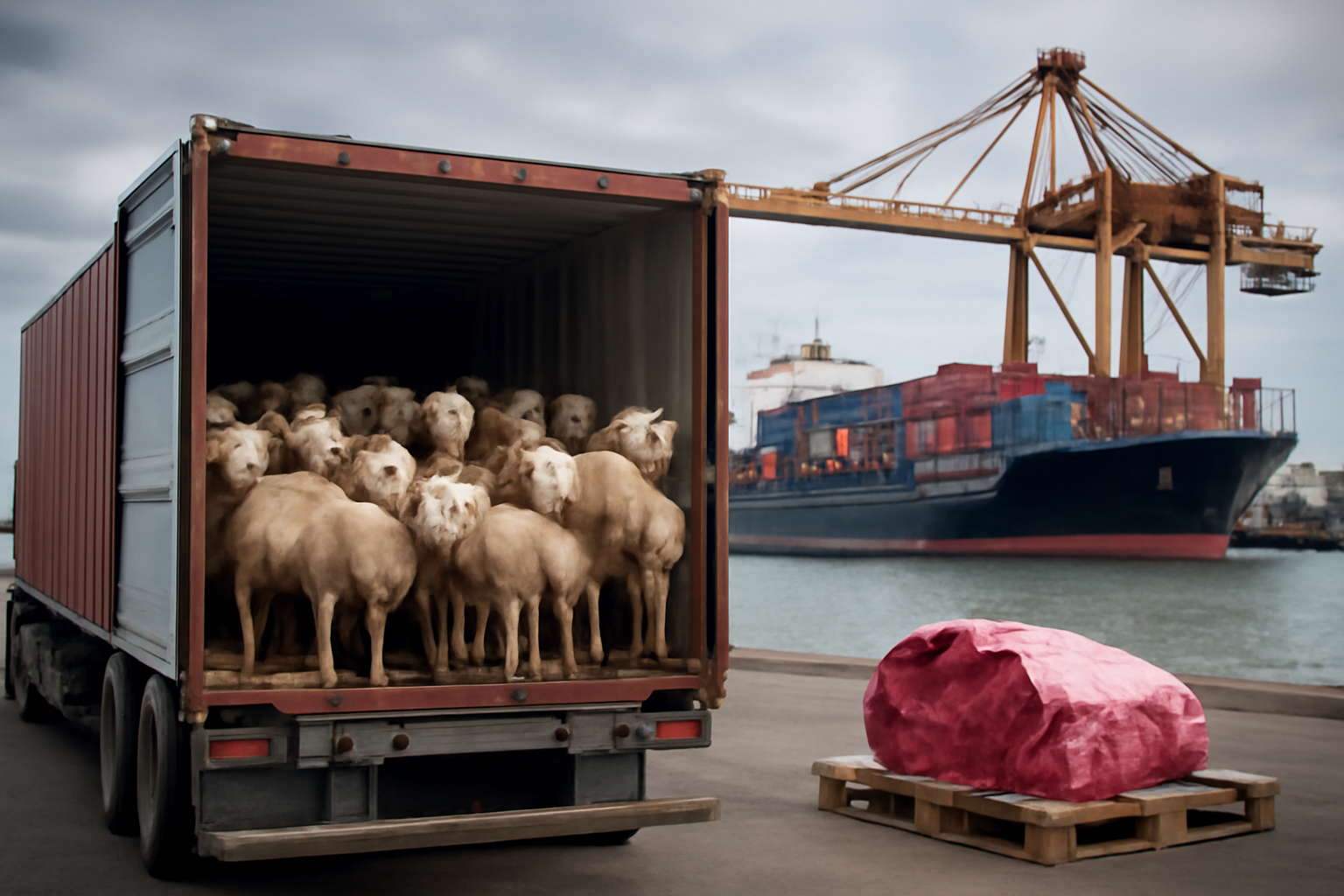
Moroccan importers have already begun signing new agreements to source live animals from Spain, acting on the removal of the duty. Spain is one of the European Union's largest sheep producers and lies a short shipping distance across the Strait of Gibraltar, which makes it a logical first supplier once the tariff is taken out of the delivered price.
The exemption covers both live animals and carcass meat, giving buyers two routes into the market: importing sheep for slaughter inside Morocco, or bringing in beef and other red meat directly. That flexibility matters for processors, wholesalers and traders weighing how to secure volume and at what point in the supply chain to bring product across the border.
For Spain, the timing is favourable. Its sheep sector routinely produces a surplus over domestic consumption, and access to a duty-free North African market gives exporters an additional outlet for live animals in particular. The Strait crossing keeps transport times shorter than more distant sourcing options, reinforcing Spain's position as the first port of call for Moroccan buyers.
A time-limited window
Because the exemption is fixed to expire on 31 December 2026, it works as a temporary corridor rather than a permanent change to Morocco's tariff regime. Importers and their Spanish counterparts have a defined period in which to negotiate, ship and clear contracts before standard duties return. Deals signed now must be executed within that window to capture the tariff saving.
The breadth of the measure is notable. By covering live sheep alongside four separate categories of meat — bovine, ovine, caprine and cameline — the government has eased conditions across the whole red-meat complex rather than targeting a single product. For Spanish exporters it opens a nearby market on improved terms; for Moroccan buyers it widens the range of suppliers and cuts available without the duty.
The policy also signals the direction of Moroccan meat trade for the rest of the year. With the border effectively cheaper for red meat and live sheep until the end of 2026, import volumes from the European Union — and Spain in particular — are positioned to rise over the coming months, subject to how quickly importers and exporters can turn new agreements into shipments.