Morocco restarts European soft wheat buying at about €310 per tonne as stocks thin
Moroccan mills and importers returned to the international soft wheat market on Wednesday, concentrating purchases on France, Poland, Lithuania and Germany, according to the Moroccan outlet Attasiaa. European wheat lands in Morocco at roughly €310 per tonne, some $20 below North American supply, while domestic stocks have fallen to about 6.5 million quintals. A reinstated import subsidy of 20.80 dirhams falls short of the 43.50 dirhams the trade says it needs.
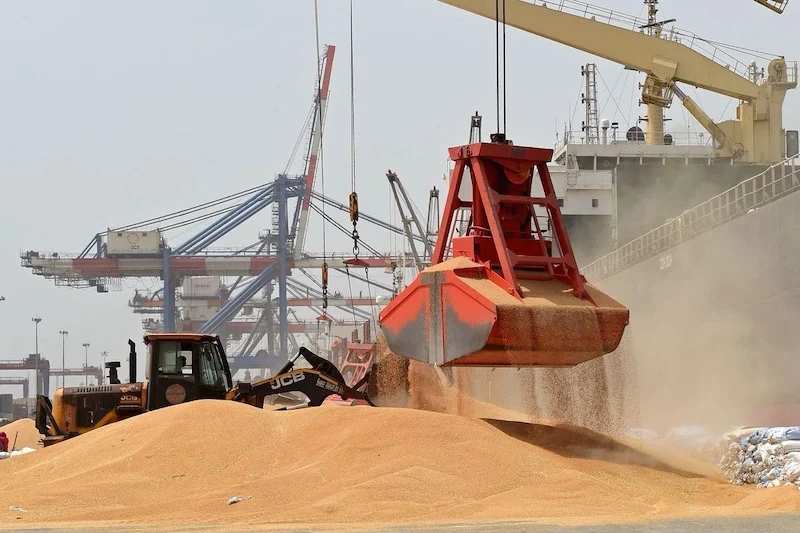
Moroccan mills and importers returned to the international soft wheat market on Wednesday, focusing their purchases on France, Poland, Lithuania and Germany, according to the Moroccan news site Attasiaa. The restart comes with world prices elevated, domestic stocks depleted after a difficult crop year, and competition for available European cargoes sharpening as Algeria bids for the same supply.
Europe is the cheapest route
Landed cost is the decisive variable. Attasiaa reports European wheat arriving in Morocco at roughly €310 per tonne, while North American supply carries a premium of about $20 per tonne over the European price. That differential is enough to keep buying concentrated in the French, Baltic and German export ranges. Recourse to the Black Sea remains limited in the present window: Ukrainian wheat has been quoted at about $321 per tonne, and freight and insurance costs on top leave little room to undercut European offers.
- European wheat delivered to Morocco: about €310 per tonne
- North American origin: roughly $20 per tonne above European supply
- Ukrainian wheat: about $321 per tonne
- Import subsidy: 20.80 dirhams, against 43.50 dirhams sought by the trade
Importers are moving cautiously. The cost of securing wheat has risen against previous periods, so purchase decisions are tied directly to price movements and to the volumes mills genuinely need over the coming weeks. The final delivered price depends not only on the origin quotation but on freight, insurance and shipping charges, all of which are adding to the import bill.
Subsidy restored, but below what the trade says it needs
Morocco reinstated support for soft wheat imports from 16 September to 31 December, after suspending the mechanism in June. Eligibility is linked to the sailing date: only shipments departing from 16 September qualify for the payment, which makes timing a commercial variable in its own right.
The level of support is the point of contention. The subsidy is set at 20.80 dirhams, while figures circulating in the sector put the amount needed to bridge the gap between international costs and the domestic market at around 43.50 dirhams. The shortfall narrows importers' room for manoeuvre and is likely to push some mills toward a more conservative approach, covering immediate requirements first and waiting for clearer direction in world prices before committing to larger volumes.
Thin domestic stocks and Algerian competition
Stocks from the national crop are estimated at about 6.5 million quintals, a level that makes recourse to foreign markets unavoidable if mills are to be supplied without interruption. Difficult conditions during the past season weighed on Moroccan agricultural output and reduced the volume of domestic grain available to the milling sector.
Morocco is not buying into a quiet market. Algeria has issued an international tender for a nominal 50,000 tonnes of milling wheat, a volume that its past purchasing behaviour suggests may end up considerably larger. When several importing countries come to the market in the same narrow window, pressure on available European cargoes increases and prices tend to follow.
Arrivals weighted toward October
The physical flow will lag the buying. Vessels loading from 16 September need an average of eight to ten days to reach Moroccan ports, depending on transport conditions and routing. The second half of September is therefore not expected to bring heavy arrivals, particularly for operators still able to work from existing stocks.
Discharge activity should accelerate at the start of October, when imports enter a more active phase and mills receive additional raw material. From that point, the pace of vessel arrivals, the volumes actually booked and the direction of international demand will determine how much of the price pressure reaches the Moroccan market.