High Spanish and Brazilian livestock prices stall Morocco's meat imports despite duty relief
Morocco suspended the import duty on live sheep and on bovine, ovine, caprine and camel meat under a draft decree approved on 22 July, but import volumes remain modest. Operators point to high sheep prices in Spain, expensive frozen beef in Brazil and the VAT still applied to imports. Mutton on the domestic market is approaching 170 dirhams per kilogram.
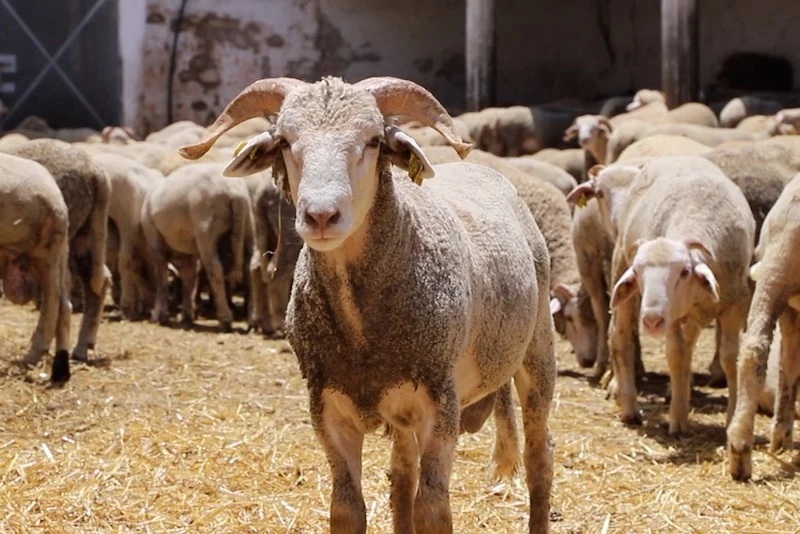
Morocco's imports of live sheep and red meat remain limited despite the removal of import duties, with operators blaming high livestock prices in Spain, expensive Brazilian beef and the value-added tax still levied on imports, according to madar21.com. The result, they say, is that domestic shortages persist and retail meat prices have not come down.
Duty suspension has yet to move volumes
The Moroccan government approved on 22 July a draft decree suspending collection of the import duty on live domestic sheep and on the meat of domestic animals of the bovine, ovine, caprine and camel species. The same text amends the import duty applied to offal from those species.
Mohamed Jebli, president of the Moroccan Federation of Livestock Sector Operators, told madar21.com that "the figures are still modest when it comes to red meat imports, despite the opening of imports". He said the real problem facing importers of sheep and red meat today is the cost of animals in the markets they actually buy from, rather than access to the Moroccan market itself.
Spain and Brazil set the purchase price
Jebli specified that the price problem arises in the Spanish markets for sheep imports and in the Brazilian market for frozen red meat. A separate report on the Moroccan trade noted that livestock imports are slowing mainly because of the significant price increases recorded on several European markets.
These factors, according to Jebli, have shaped the pace of red meat and sheep imports from abroad and have kept prices elevated on the domestic market. He said the quantities currently available in Morocco neither meet consumer needs nor push prices down, which leaves the duty relief without a visible effect at the point of sale.
- Mutton: close to 170 dirhams per kilogram on the Moroccan market
- Beef: between 100 and 140 dirhams per kilogram
- Duty suspension approved on 22 July, covering live sheep and bovine, ovine, caprine and camel meat, with the duty on offal amended
VAT still weighs on importers
Operators say the continued application of value-added tax to imports of red meat and sheep is holding back their business. Jebli said the tax is high and adds to the burden carried by investors active in red meat and sheep imports, at a moment when purchase prices at origin are already stretched.
He acknowledged the fiscal logic behind it: the levy is a mechanism to protect national output and the Moroccan farmer from foreign competition. At the same time, he argued, importing is itself a tool to reduce dependence on the national herd and therefore to contribute to rebuilding it.
Retail prices stay high
The duty relief was decided in a social context marked by expensive red meat in all categories on Moroccan markets. Mutton has approached 170 dirhams per kilogram, while beef trades between 100 and 140 dirhams per kilogram, madar21.com reported.
For exporters in Spain and Brazil, the situation described by Moroccan importers means firm prices at origin rather than a demand-driven surge in shipments to North Africa. For Moroccan buyers, a zero duty does not by itself close the gap between purchase costs abroad and what the domestic wholesale market can absorb, as long as VAT applies and origin prices stay at current levels. The federation's position links the two sides of the policy: imports are being used to take pressure off a national herd that still has to be rebuilt, while the tax treatment of those imports is designed to shield that same herd's producers.