Morocco and Italy sign agreement to develop snail industry and export framework
Morocco and Italy have signed an agreement aimed at developing Morocco’s snail industry and establishing a structured framework for exports to Italy. The plan also includes creating a Moroccan research and training center dedicated to snails.
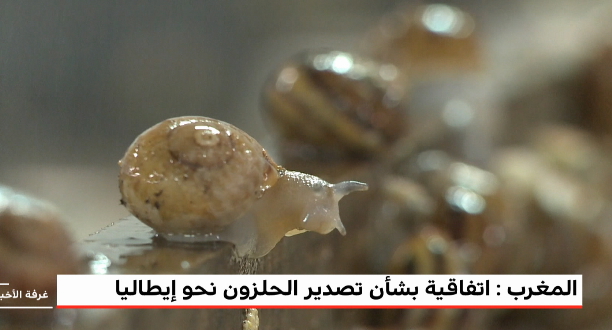
Agreement targets industry development
Morocco and Italy have signed an agreement intended to develop Morocco’s snail industry and establish a framework for exporting the product to the Italian market, according to Medi1 News. The initiative reflects Morocco’s ambition to regain a stronger position in international snail markets.
The available announcement identifies two main components: the creation of a research and training center for the snail sector in Morocco, and the establishment of an organized export framework between Morocco and Italy. It does not disclose the agreement’s signatories, implementation schedule, financial commitments or targeted shipment volumes.
Research and training center planned in Morocco
The proposed center would give the industry a dedicated platform for research and professional training. The announcement does not specify its location, operating model or research program, but its inclusion indicates that the agreement is intended to address production capabilities as well as market access.
For Moroccan producers and processors, specialized training could support more consistent practices across the supply chain. Research could also help the sector organize knowledge around snail production and preparation. However, no specific technologies, production methods, quality standards or certification programs were detailed in the source material.
The center may also provide a focal point for cooperation between the Moroccan and Italian sides. The extent of that cooperation remains unclear because no participating companies, research institutions, government agencies or industry associations were named in the announcement.
Italy positioned as an export destination
The export component is designed to create a structured route for Moroccan snails into Italy. This is commercially relevant for producers, collectors, processors and traders that require predictable market access, but the announcement does not state when shipments could begin or resume. It also provides no information on prices, customs procedures, veterinary requirements, processing specifications or logistics arrangements.
The absence of volume and timing targets makes the immediate trade impact difficult to quantify. The agreement nevertheless establishes a direction for the sector: Morocco is seeking to combine domestic capacity building with access to an identified European destination. Progress will depend on how the export framework is translated into operating rules and whether the research and training center moves from the agreement stage into implementation.
For market participants, the next material developments will be the publication of eligibility requirements, the identification of approved operators and facilities, and clarification of the timetable. Until those details emerge, the agreement represents an institutional foundation rather than a confirmed increase in Moroccan snail exports.