Morocco's fresh strawberry exports collapse to record low in 2025-2026 season
Morocco shipped only about 8,700 tonnes of fresh strawberries between October 2025 and April 2026, nearly 50% less than the previous season and the fourth consecutive annual decline, according to EastFruit. Egyptian competition, drought, labour shortages and floods drove the drop, while producers shift toward blueberries, raspberries and IQF frozen strawberries.
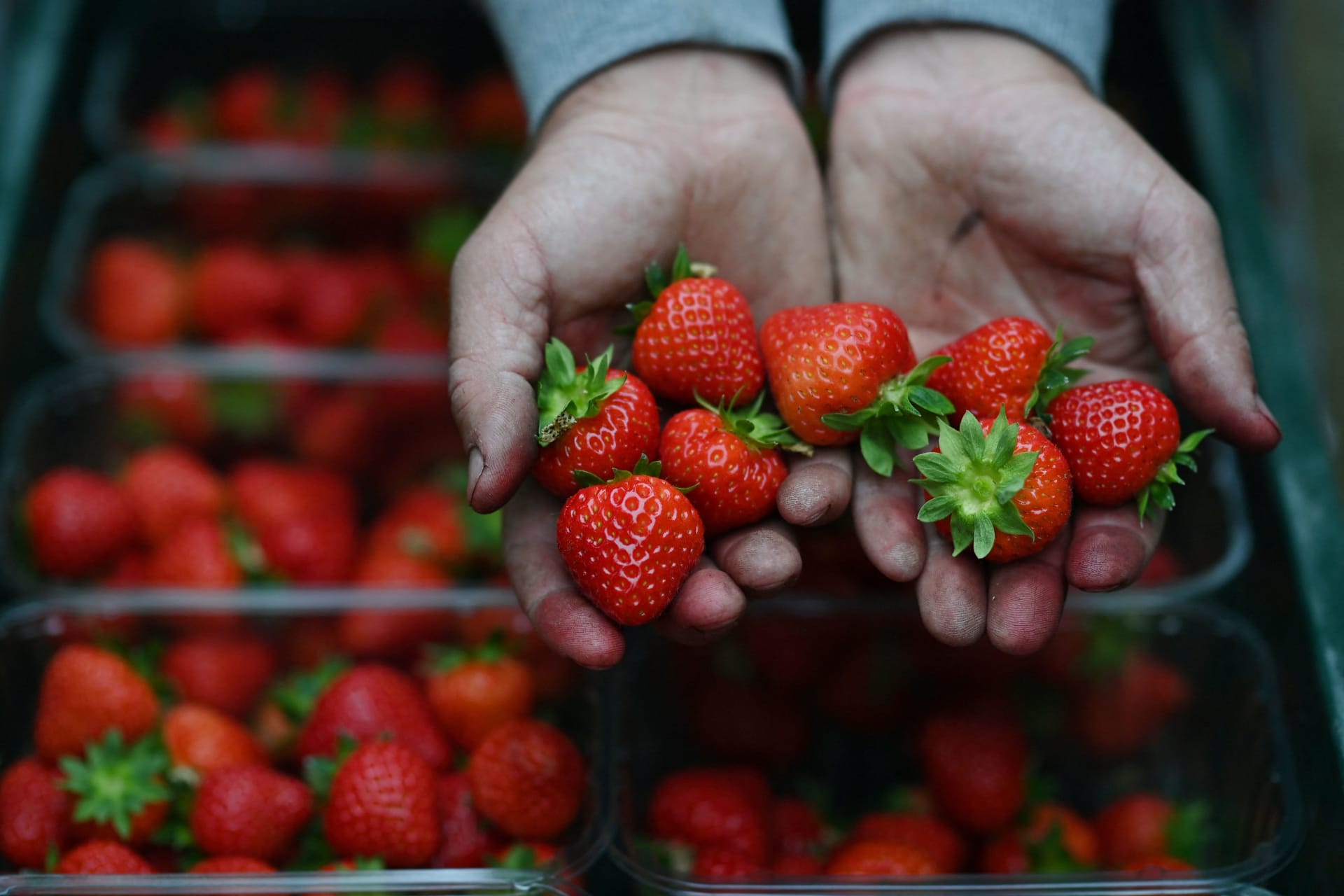
Exports halved to an all-time low
Morocco's fresh strawberry exports fell to an unprecedented low in the 2025-2026 agricultural season, according to a report by the specialised agricultural markets platform EastFruit, cited by madar21.com. Shipments reached only around 8,700 tonnes between October 2025 and April 2026, a decline of close to 50% compared with the previous season. It was the fourth consecutive season of decline and the sharpest contraction recorded since data tracking began.
The report frames the drop not as a temporary setback but as a structural shift in Morocco's red-fruit sector. While blueberry and raspberry exports continue to post notable growth in international markets, strawberries are gradually losing their competitive position.
Egyptian competition and rising costs
EastFruit traces the beginning of this shift to intensifying competition from Egypt, which has sharply expanded its strawberry-planted area in recent years and can offer produce at lower prices. That has cost Morocco a significant share of its competitiveness in foreign markets, particularly in Europe.
Shrinking profit margins have pushed a growing number of Moroccan producers to abandon strawberry cultivation and convert their land to more profitable crops, amid higher production costs and mounting economic pressure.
Water scarcity has deepened the sector's troubles. Strawberries are among the most water-intensive crops, and successive drought years have lowered groundwater levels in key production areas, while salinisation has worsened in coastal zones. Some farmers have invested in desalination stations to save their crops, sharply raising production costs and weakening the economics of strawberry farming.
Labour, weather and floods
The sector also faced a growing shortage of seasonal labour, as some workers moved to Spain in search of better wages while others preferred jobs on blueberry and raspberry farms, which offer more attractive conditions and returns.
Climate disruptions hit production directly. Waves of cold, humidity and temperature swings delayed fruit ripening, depriving Moroccan exporters of the golden marketing window in European markets, when prices are at their highest. Floods in the Gharb and Loukkos regions in early 2026 aggravated the crisis, submerging large areas of fields, damaging protective plastic tunnels and destroying a significant part of the crop.
Market breakdown and the frozen pivot
The impact varied across major destinations. France posted the largest fall, with exports down by more than 80%, while shipments to Spain dropped 54% and to the United Kingdom 44%. The decline was less severe in the Dutch market. Saudi Arabia was the only market to record growth in its imports of Moroccan strawberries, though the volumes involved remain limited and do not change the overall trend.
Investors and large cooperatives are redirecting capital toward more profitable crops such as blueberries, blackberries and avocado, while strawberries increasingly retain a presence mainly in the individually quick-frozen (IQF) segment. In 2025 Morocco set a record for frozen strawberry exports to the United States, benefiting from reduced Mexican supplies, a sign that part of the sector is moving from fresh strawberry exports toward higher value-added frozen products. EastFruit concludes that Morocco's fresh strawberry sector is no longer facing a passing crisis but has entered a deep restructuring that is redrawing the map of red-fruit production and exports.