Moroccan lamb prices remain above 150 dirhams as imports struggle to lift supply
Retail lamb prices remain above 150 dirhams per kilogram in parts of Morocco despite the reopening of imports. Industry sources say limited arrivals and high sheep prices in Spain have prevented imported supply from materially changing the domestic balance.
Retail prices show little response
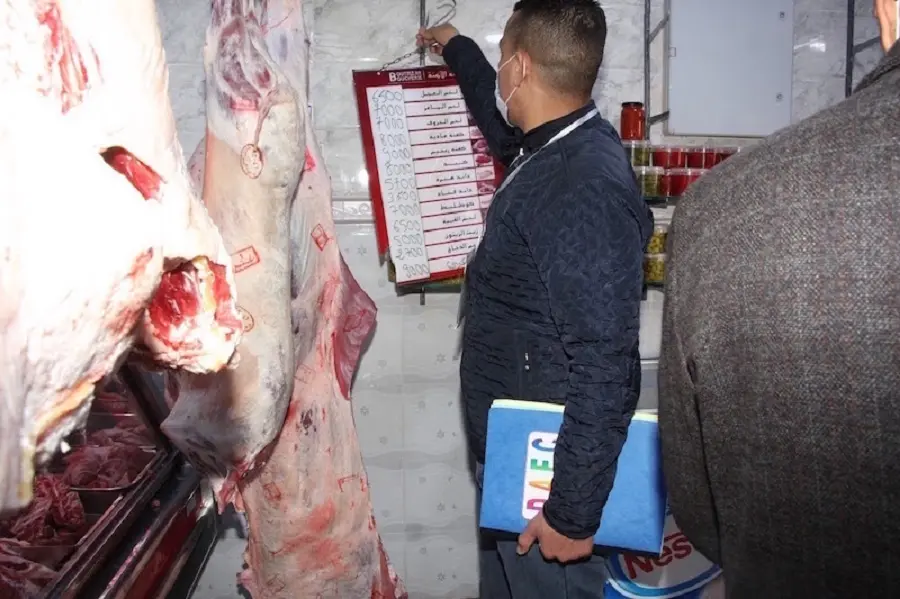
Retail lamb prices in several Moroccan markets remain above 150 dirhams per kilogram, weeks after the country resumed imports intended to increase supply and ease pressure on consumers. The persistence of high prices has renewed debate over the imbalance in Morocco’s red-meat market and the time required for trade measures to reach retail counters.
Febrayer.com reported that reopening imports from European markets, particularly Spain, had raised expectations of greater availability and lower prices. So far, however, the measure has produced no clear change at retail level. Consumers continue to face prices above the 150-dirham threshold in a number of markets, despite the government’s effort to make foreign supply easier to source.
Imported volumes remain too limited
Industry sources cited by Febrayer.com said the pace at which imported sheep and meat are entering Morocco remains limited. Current arrivals are therefore not large enough to cause a substantial shift in the relationship between supply and demand. Reopening a trade channel does not immediately guarantee lower prices if commercially viable shipments remain scarce or take time to move through import, slaughter and distribution networks.
The government council approved a decree in late July suspending the import duty on live domestic sheep. The measure also covered meat from domestic cattle, sheep, goats and camels. Its stated purpose was to facilitate imports and improve supplies to the national market as red-meat prices remained elevated.
The policy broadened the range of products that could enter without the suspended duty, but the immediate focus of the market has been sheep and lamb. The effect on consumer prices depends on the quantity arriving, the cost of obtaining animals or meat abroad and the ability of importers and distributors to place that supply into the Moroccan market at competitive prices.
Spanish prices weaken the import incentive
High sheep prices in Spain are one of the main constraints, according to the professional market data cited by Febrayer.com. Spain was expected to be among the leading European sources of additional supply, but expensive animals there have reduced the commercial appeal of importing them. Removing Morocco’s import duty lowers one part of the landed cost, but it does not offset a high purchase price in the country of origin.
That cost pressure helps explain why imports are progressing more slowly than expected and why they have not yet exerted enough pressure on Moroccan prices. Importers must still account for procurement, transport and other supply-chain costs before livestock or meat reaches buyers. If the resulting price is close to prevailing domestic levels, traders have less room to undercut the market.
The near-term outlook consequently rests on whether larger and more competitively priced consignments can enter Morocco. Until volumes become sufficient to alter availability, the suspension of duties is likely to function mainly as an enabling measure rather than an immediate price remedy. Producers, processors and meat traders will be watching incoming volumes from Spain and other European suppliers, while consumers will judge the policy by whether retail lamb moves sustainably below its current level.