Moroccan exports face proposed 12.5% US forced-labor tariff
Moroccan exports to the United States could face an additional 12.5% tariff under a trade proposal linked to forced-labor concerns. The measure, which is reportedly under consideration, could weaken their competitiveness in the US market.
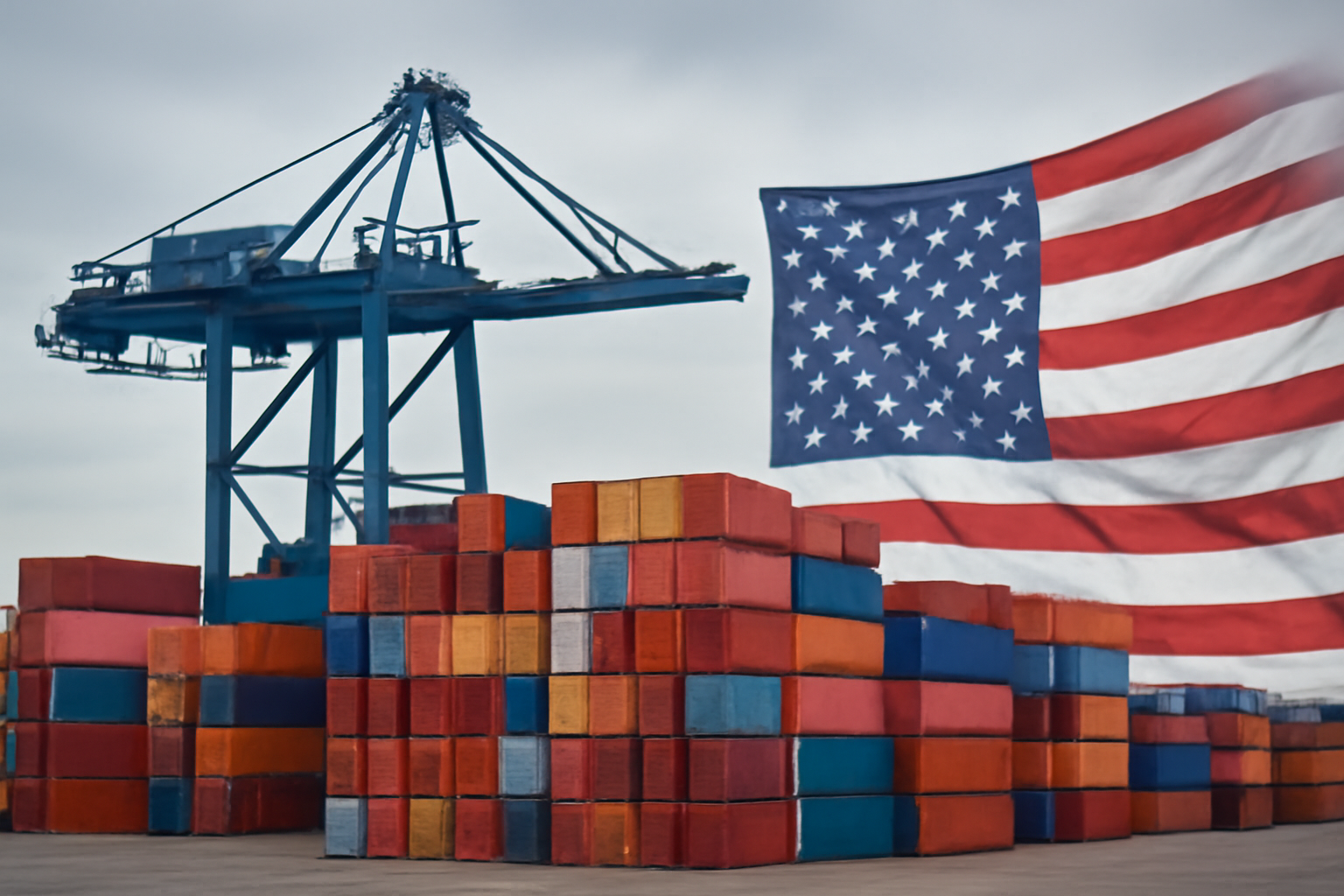
Additional tariff under consideration
Moroccan exports destined for the United States face the possibility of an additional 12.5% customs tariff under a trade proposal linked to forced-labor concerns. The measure is reportedly being studied and, if adopted, would add a new cost for Moroccan goods entering the American market.
The available information describes the measure as a forced-labor trade proposal, but does not identify the products that could be covered, the legal test that would apply or the timetable for a decision. It also does not clarify whether the tariff would affect all Moroccan exports or only goods, companies or supply chains identified under specific criteria.
Those details will determine the proposal’s commercial impact. A broad tariff would expose a larger share of Moroccan suppliers, while a targeted measure would concentrate the effect on particular exporters or industries. Until the scope is defined, companies cannot calculate their potential exposure with precision.
Competitiveness at risk
An additional 12.5% border charge could make affected Moroccan products more expensive for US buyers unless exporters absorb part of the cost. The burden could therefore fall on Moroccan producers through lower margins, on American importers through higher landed costs, or on customers through higher prices.
The effect would vary according to each product’s existing margin, contract terms and availability of alternative suppliers. Goods competing mainly on price would be especially sensitive to an added tariff. Products with fewer substitutes or stronger differentiation could have more room to retain customers, although buyers would still have an incentive to review sourcing arrangements.
For Moroccan exporters, the immediate commercial risk is uncertainty. US buyers negotiating future orders may seek tariff clauses, shorter contracts or alternative quotations while the proposal remains under review. Even before a measure takes effect, that caution can complicate pricing and reduce exporters’ visibility over future sales.
Compliance and sourcing implications
The forced-labor link also raises a compliance issue beyond the tariff itself. Exporters serving the US market may need to demonstrate greater visibility over their suppliers, labor practices and production chains. Importers, in turn, may ask for additional documentation before committing to purchases.
However, the information provided does not state that forced labor has been established in any Moroccan company or sector. It identifies a tariff proposal connected to forced-labor concerns, not a final finding against named producers. That distinction matters for companies assessing legal, commercial and reputational risk.
Market participants will now need to watch whether the proposal advances, which products and exporters it covers, and when any additional duty could begin. These unanswered questions will determine whether the measure becomes a limited compliance problem or a wider obstacle to Morocco’s competitiveness in the United States.