Montenegro Stops Three Containers of Relabeled Brazilian Beef Bound for Kosovo
Montenegrin customs halted three containers of frozen Brazilian beef at the port of Bar after finding that expired use-by declarations had been stripped off and replaced with falsified labels. The consignment was destined for a buyer in Kosovo, and authorities are now checking whether earlier deliveries from the same supplier reached meat processors in Montenegro.
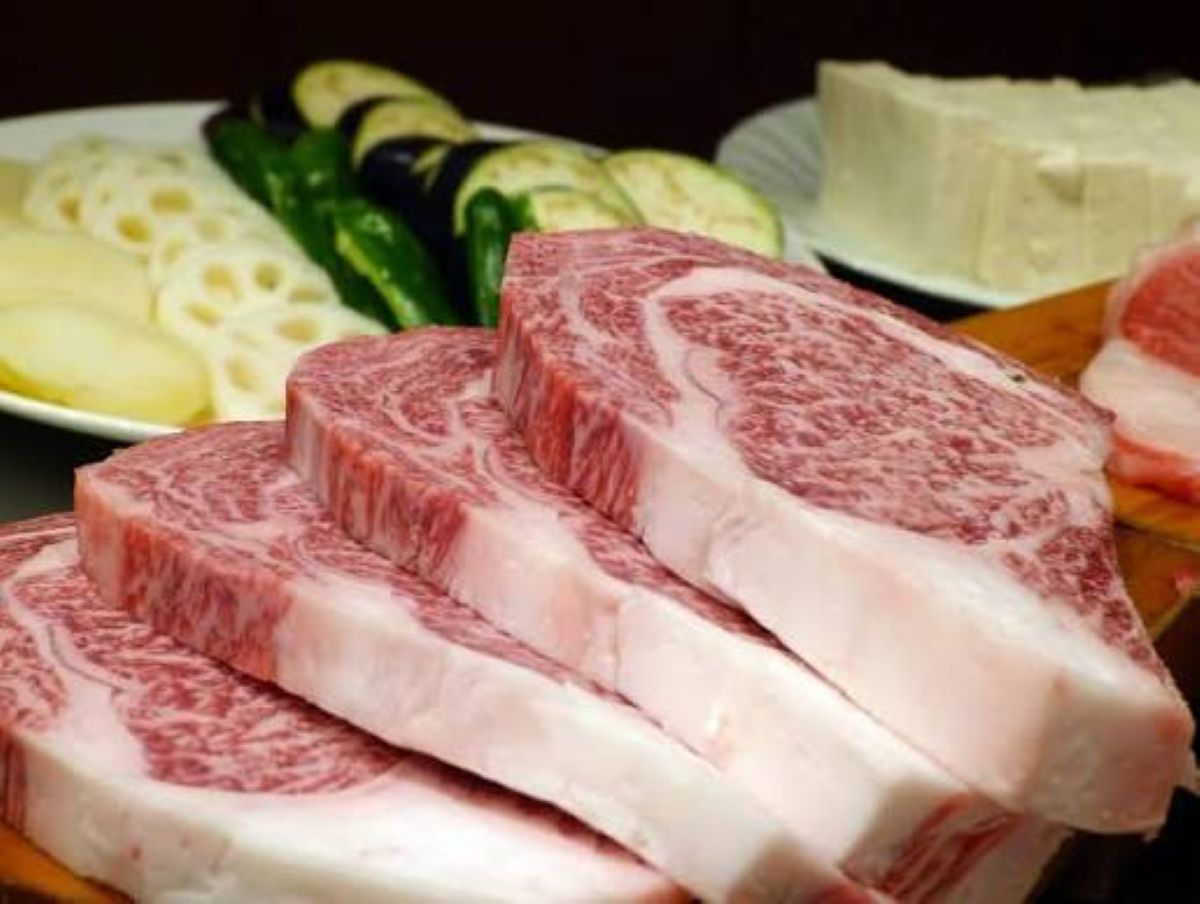
Montenegro's Customs Administration has stopped three containers of frozen Brazilian beef at the port of Bar after officers established that the original declarations, which showed expired use-by dates, had been removed and replaced with new, falsified labels carrying altered dates. The shipment was destined for the market in Kosovo.
The case was reported by the Macedonian outlet racin.mk, citing the official statement of the Montenegrin customs service. The buyer was identified in that statement only as A….ShpK. The Kosovo outlet KOHA, citing Montenegrin authorities, has also reported on the case.
Seizure at the port of Bar
According to racin.mk, the three containers were detected during enhanced controls at the customs post in Bar. Customs officers also established that the containers had been removed from customs supervision without the approval of the customs service, a separate breach in the handling of goods that were still under customs control.
The Montenegrin Administration for Food Safety, Veterinary and Phytosanitary Affairs and the police were notified immediately, and the investigation is continuing. Neither the total quantity of beef involved nor the value of the consignment has been made public.
Labels changed inside the port cold store
During an additional check in a cold store at the port, inspectors found workers engaged by a company from Kosovo using tools to strip the original declarations from the frozen beef. Those declarations carried the expired use-by date. New declarations with a changed date were then being fitted in their place.
That detail matters for the rest of the chain: the relabeling was a physical operation carried out inside the port, not a discrepancy confined to shipping documents. Investigators in Montenegro now have to establish who organized the substitution of declarations, how much meat the case covers, and whether the same supplier had previously released other consignments into the regional supply chain.
Exposure beyond the three containers
Montenegrin customs said that, according to the information available to it, certain meat-processing companies in Montenegro source products from the Kosovo legal entity linked to the case. Institutions are therefore checking whether, and on what scale, products from that supplier were distributed earlier. KOHA reported that the possible earlier distribution of products from the company connected to the consignment is being examined.
For processors and traders, the open questions are narrow and practical:
- whether the three containers are an isolated case or one shipment in a longer series;
- which batches from the same supplier have already reached processors and retailers;
- how far traceability records allow those batches to be traced back.
So far there is no official information that meat from the three stopped containers reached consumers in Kosovo. There is also no publicly disclosed data showing that any of the disputed consignments, or products from the same batches, entered North Macedonia, although products of animal origin are subject to veterinary control on import and in transit there, and the country's Food and Veterinary Agency operates traceability rules for food of animal origin.
Tighter regional scrutiny of Brazilian meat
The case surfaces at a moment when controls on Brazilian meat have already been tightened across the region. From the beginning of September, Montenegro restricted imports of certain Brazilian beef and chicken as part of its alignment with European Union measures.
In June this year, North Macedonia's Food and Veterinary Agency blocked the import of more than 23.6 tonnes of frozen Brazilian chicken meat over non-compliance with the ban in force in connection with protection against avian influenza. That case is not directly linked to the containers stopped in Bar, but it points to the same pressure point: Brazilian frozen meat entering the Western Balkans through a small number of ports and border posts, under rules that are moving closer to the EU regime.