Montenegro Raises Temporary Retail Price Caps for Wood Pellets
Montenegro has revised its temporary retail price ceilings for heating pellets to €300 per tonne for A2 grade and €320 per tonne for A1 grade. Producers and traders must also maintain supplies at no less than their average volumes over the previous 12 months.
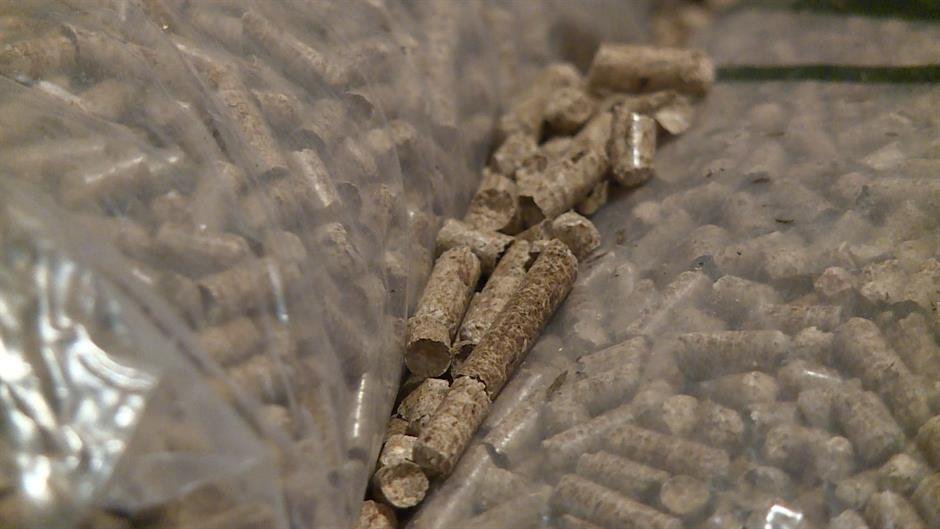
Government lifts ceilings for both pellet grades
Montenegro has raised its temporary maximum retail prices for wood pellets, revising a measure designed to regulate the heating-fuel market during the heating season. At a government session held on Monday, 16 November, the ceiling was set at €300 per tonne for A2-grade pellets and €320 per tonne for A1-grade pellets, according to N1, citing the Podgorica newspaper Vijesti. The limits apply to pellets in all packaging formats.
The new ceilings are €50 per tonne above the limits introduced through an earlier amendment the previous month. Under that version of the measure, the maximum price was €250 per tonne for A2 pellets and €270 per tonne for A1 pellets. The latest decision therefore preserves a regulated difference of €20 per tonne between the two quality classes while allowing higher retail prices for both.
Supply requirement remains central to the measure
The earlier rules prohibited suppliers from adding any extra costs to the capped pellet price. The source material does not specify whether the revised decision changed that prohibition. It does, however, describe a supply obligation covering both pellet producers and traders operating in Montenegro.
Under that obligation, producers and traders must not deliver quantities to the Montenegrin market below their average supply volumes during the previous 12 months. The government introduced this requirement to prevent companies from circumventing the price ceiling by reducing available supply. It is also intended to support regular deliveries to consumers during the heating season.
Higher cap gives suppliers more room
The €50-per-tonne increase gives producers, distributors and retailers more room within the regulated price framework. For A2 pellets, the rise from €250 to €300 per tonne amounts to a 20% increase in the permitted price. For A1 pellets, the move from €270 to €320 per tonne represents an increase of about 18.5%. These percentages are calculated from the ceilings reported by N1 and Vijesti rather than from observed transaction prices.
N1 described pellets in Montenegro as cheaper than in Serbia, but the report provided no Serbian price or directly comparable product specification. A precise cross-border price gap therefore cannot be established from the available information. For suppliers serving the region, the Montenegrin rules combine a higher permitted selling price with a constraint on reducing domestic deliveries. Retailers gain more pricing flexibility, while producers and traders remain responsible for maintaining historical supply volumes through the heating season.