Molini Popolari Riuniti opens first mill outside Umbria in Tuscany
Molini Popolari Riuniti has begun operating the Molino San Matteo in Castelfiorentino, its first production site outside Umbria. The mill can process 120,000 quintals of flour annually and anchors a supply chain linking more than 100 Tuscan wheat growers with Cerealia and Unicoop Firenze.
First production site beyond Umbria
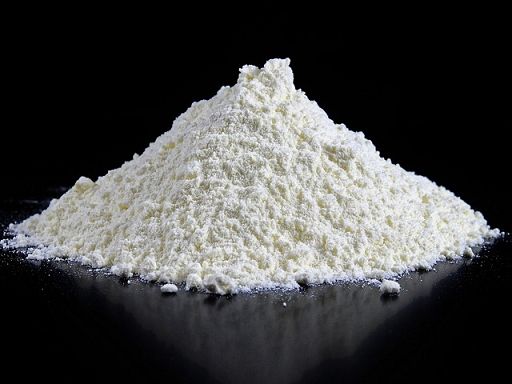
Molini Popolari Riuniti has opened the Molino San Matteo in Castelfiorentino, near Florence, marking the agricultural cooperative’s first direct operation of a production plant outside its home region of Umbria. The facility began operating with the 2026 harvest and gives the group a direct position in Tuscany’s flour market.
The project brings together Molini Popolari Riuniti, consumer cooperative Unicoop Firenze and its wholly owned baking subsidiary Cerealia. Molini Popolari Riuniti manages the mill and contributes more than 70 years of experience in grain selection, milling and quality control. Rai News reports that the present cooperative was created in 2001 through the merger of Molino Popolare Altotiberino and Molino Popolare di Ellera.
The facility is located beside Cerealia’s production plant, which makes fresh and frozen bread, pizza, focaccia and other baked goods. Milling has therefore been added directly to an existing baking complex, shortening the physical route between grain intake, flour production and industrial processing.
Annual capacity of 120,000 quintals
La Nazione reports that Molino San Matteo is designed to produce 120,000 quintals of flour per year. It will operate seven days a week for 20 hours a day and can reach 600 quintals on peak days. About 70% of its activity will serve the integrated Tuscan supply chain, leaving the remaining capacity available to Molini Popolari Riuniti for work outside the partnership.
The mill will select, store and grind soft wheat supplied by more than 100 farmers. According to La Nazione, the sourcing area includes the provinces of Florence, Grosseto, Pisa and Siena, as well as Valdichiana. Modern machinery and optical sorters will be used to select lots and maintain traceability through the milling process.
Unicoop Firenze says the wheat allocated to the integrated chain will be 100% Tuscan, grown without glyphosate and processed to a zero-residue standard. The resulting flour will supply Cerealia and 29 Unicoop Firenze stores equipped with in-house production departments. Those outlets will use it for bread and other bakery products.
A closed regional chain
The partners are positioning the project as a field-to-table system in which farmers deliver wheat locally, Molini Popolari Riuniti handles selection and milling, Cerealia converts the flour into finished products, and Unicoop Firenze provides the retail channel. Unicoop Firenze says the arrangement is intended to deliver certified food safety, complete traceability and fair remuneration for local producers.
For Molini Popolari Riuniti, the plant broadens both its procurement base and its processing footprint. The cooperative has more than 3,000 producer members and is active in soft-wheat milling, non-GMO animal feed, olive-oil production, wine and baking. Its move into Tuscany adds a dedicated outlet for regional soft wheat while the uncommitted 30% of mill activity gives the operator room to serve other customers or supply programs.
The project does not disclose its investment cost or specify flour prices, farmer payment formulas or expected volumes by province. Its commercial significance therefore rests on the disclosed processing capacity, the committed demand from Cerealia and 29 stores, and direct access to more than 100 growers. For Tuscan producers, the nearby mill creates an additional local destination for qualifying wheat; for the partners, colocating milling and baking reduces handling stages and gives them tighter control over origin and quality.