Moldovan bakeries signal bread price increases of 7–15% as production costs rise
Bread and other baked goods are becoming more expensive in Moldova as producers face higher energy, logistics and raw-material costs. Prices for products made by the Balti bakery have reportedly risen by 7–15%, while private bakeries are warning of possible increases of 10–12%.
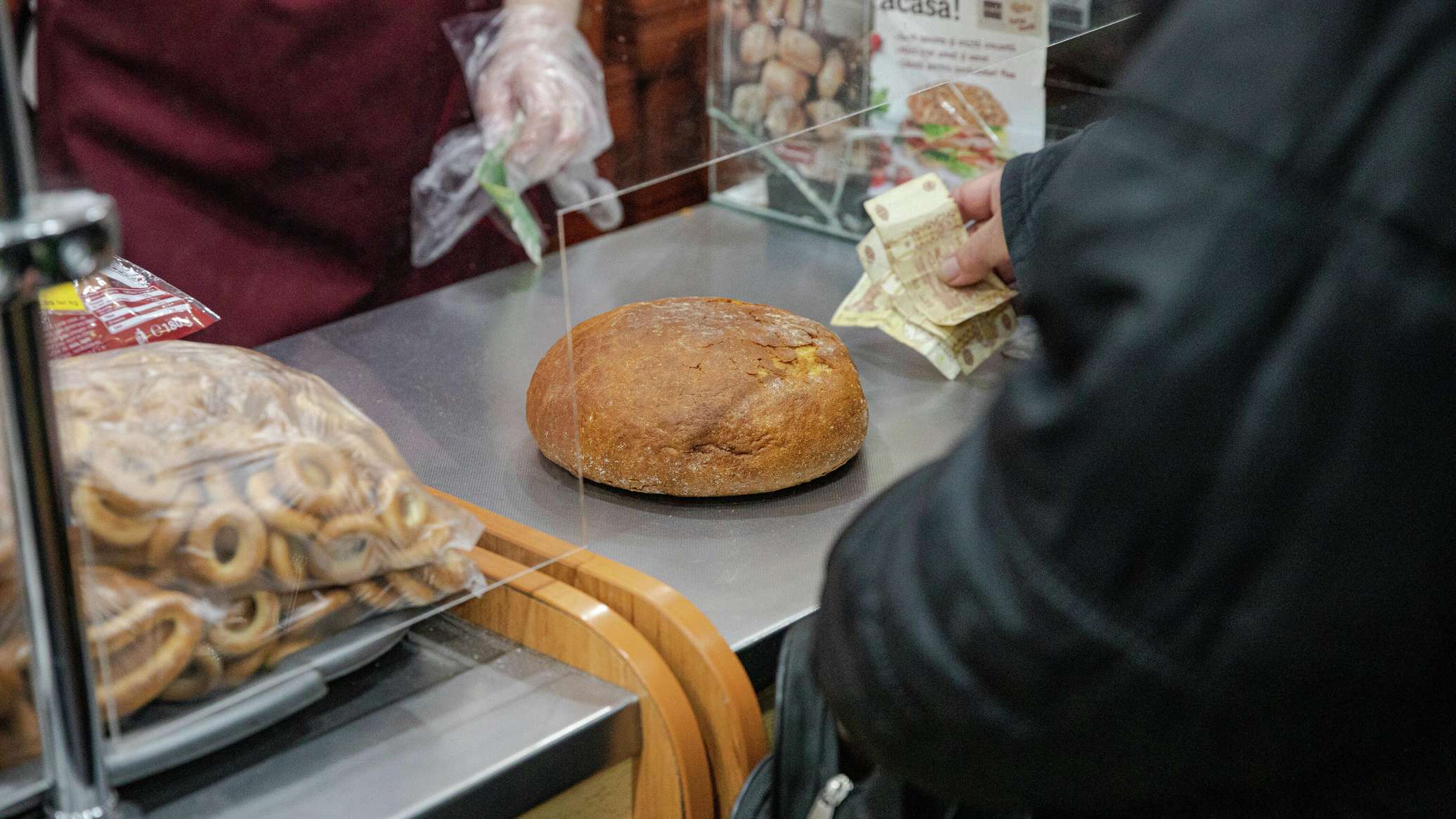
Bread producers pass higher costs to consumers
Bread and other baked goods are becoming more expensive in Moldova as producers contend with rising expenditure on energy, logistics and raw materials. The reported and prospective increases vary by producer and product, but the available announcements indicate that cost pressure is spreading across the country's bakery sector.
NOI.md reported that bread produced by the Balti bakery had increased in price by 7–15%. The size of the adjustment depended on the type of energy used in the baking process, showing how differences in production technology and energy consumption can translate directly into retail prices.
Separately, ESP.md reported that private bakeries were warning of possible increases of 10–12% for bread and other baked products. That figure represents a prospective adjustment rather than a uniform nationwide increase. Individual producers may therefore change prices at different times and by different amounts.
Energy, transport and inputs drive the adjustment
A statement published by Sputnik Moldova said producers were being forced to revise bakery-product prices upward because of higher costs for energy, logistics services and raw materials used in production. These expenses affect several stages of the bakery chain, from processing and baking to transporting finished products to shops.
Energy costs are especially important for an industry that depends on ovens and continuous production schedules. The 7–15% range reported for the Balti bakery also suggests that the impact is not identical across production lines. Products made with different energy sources or processes may carry different cost increases, limiting producers' ability to apply one adjustment across their entire assortment.
Logistics add another layer of pressure. Bread is a frequently delivered product with a limited selling period, so bakeries and retailers cannot easily reduce delivery frequency or hold large inventories without affecting availability and freshness. When transport expenses rise, producers have fewer opportunities to spread those costs over long storage periods.
Different increases complicate the market outlook
The published figures do not establish a single new bread price for Moldova. Instead, they show a range of adjustments: 7–15% for products from the Balti bakery and a possible 10–12% increase cited by private bakeries. The final effect on consumers will depend on the product, producer, energy source and timing of each price decision.
For bakery operators, the challenge is to recover higher operating costs without reducing demand for a staple food. Retailers must manage changes across suppliers whose price adjustments may not occur simultaneously. Producers that delay increases could absorb more of the cost pressure, while those that raise prices sooner risk losing sales to competing products.
The announcements also matter to suppliers of bakery inputs and logistics services. If higher retail prices weaken demand for premium or non-essential baked goods, processors may alter product mixes or purchasing volumes. Basic bread could prove more resilient, but the source reports provide no sales or consumption data showing how buyers have responded.
Further clarity will depend on producer-specific price lists and official market information. For now, the available reports point to a broad increase in bakery costs rather than one centrally determined price change. That distinction is important for processors, retailers and consumers assessing how widely the increases will spread across Moldova.