Moldova Plans EU-Backed Upgrade of Dairy and Meat Processing Plants
Moldova is preparing a national program to bring authorized dairy and meat processing plants into line with European Union requirements. The initiative will cover plant modernization, official controls and food safety, but its budget, financing mechanism and company-level deadlines have not yet been disclosed.
National modernization program takes shape
Moldova’s Ministry of Agriculture and Food Industry is developing a national program to modernize dairy and meat processing plants as the country works toward accession to the European Union. According to MOLDPRES, the document will establish the regulatory framework needed to align processors with European standards and strengthen the safety of food of animal origin.
The program is intended to bring all authorized facilities handling animal products into compliance with European requirements by Moldova’s anticipated accession date. It will cover both physical modernization at processing plants and measures to protect public health and consumer interests. The ministry has not disclosed an overall budget, a financing formula for individual companies or a detailed implementation timetable.
Food safety rules are tied to accession talks
The initiative forms part of Moldova’s work toward benchmark 12.1, which is connected to opening negotiations on Chapter 12 of the EU accession process. That chapter covers food safety as well as veterinary and phytosanitary policy. Compliance will therefore depend not only on investments by processors but also on the capacity of public authorities to inspect, classify and monitor plants.
The Ministry of Agriculture and Food Industry is working with the National Food Safety Agency and European partners on the program. MOLDPRES reports that the measures are also designed to increase the potential access of Moldovan food products to the EU market. Meeting EU requirements could widen commercial opportunities, although regulatory alignment alone does not guarantee sales or market entry for every plant.
For processors, the program is likely to make compliance status an increasingly important commercial dividing line. Facilities able to satisfy the harmonized rules would be better positioned to serve customers requiring European-standard food safety controls. Plants that need extensive upgrades will have to assess investment requirements once the government publishes the classification method, transition arrangements and available support.
Croatian experience will inform plant assessments
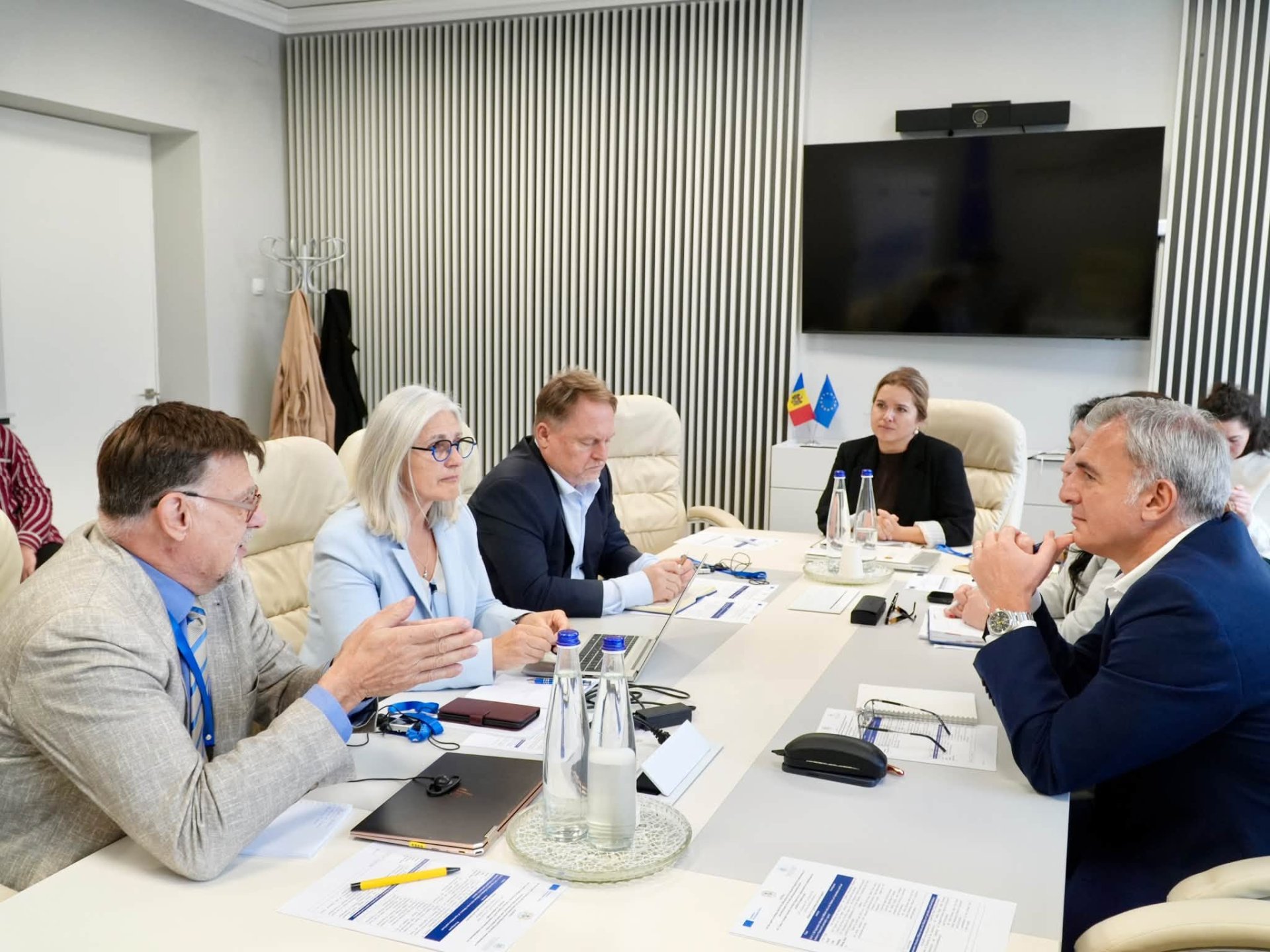
From 28 September to 2 October 2026, the ministry is hosting experts from the “Moldova is Europe — Support for EU Integration” project, financed by the European Union and Denmark. Experts Vlatka Vrdoljak Goossens and Jellen Goossens will present Croatia’s experience in evaluating, classifying and monitoring facilities that process food of animal origin.
The visit will also examine ways to strengthen Moldova’s official control system. The experts are expected to assist with drafting the national modernization program, issue recommendations and provide training on plant assessments. The approach gives Moldova a practical reference from a country that has already completed the EU accession process, while leaving key commercial questions—including upgrade costs, access to finance and the treatment of plants that cannot comply by the target date—to be defined in the final program.