Moldova expects 2026 walnut crop of 20,000–22,000 tonnes with better quality
Moldova’s 2026 in-shell walnut harvest is estimated at 20,000–22,000 tonnes, broadly matching the previous year. Industry specialists expect better quality, which could support export pricing if buyers recognize the improvement.
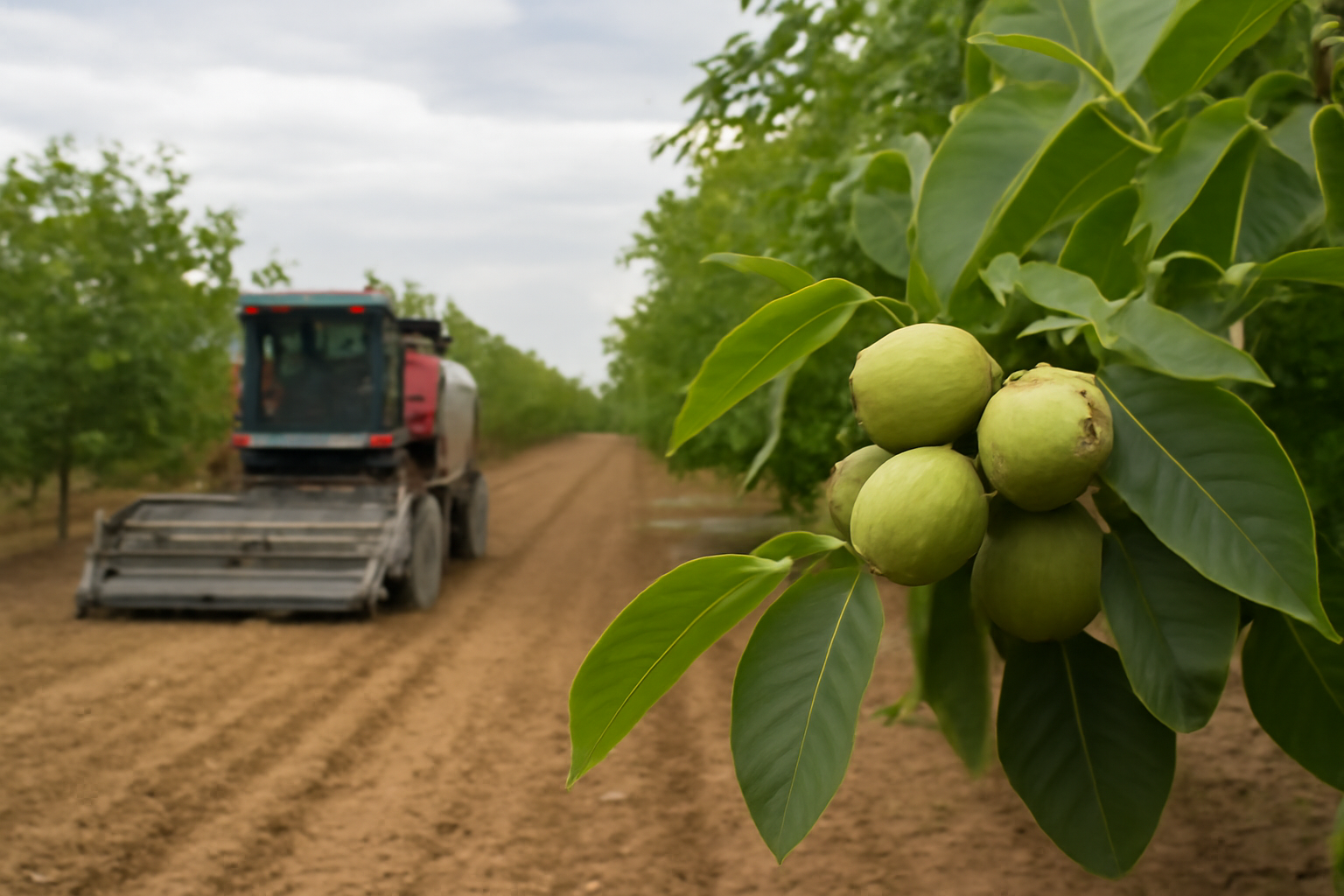
Output expected to remain stable
Moldova’s 2026 walnut harvest is expected to reach 20,000–22,000 tonnes of in-shell fruit, broadly in line with the previous year, according to Logos Press. The estimate comes from specialists at the country’s walnut industry association and points to stable production rather than a major change in available supply.
The forecast range provides growers, processors and traders with an initial measure of the volume that could reach the market. At the lower end, the crop would total 20,000 tonnes; at the upper end, it would reach 22,000 tonnes. The report does not indicate which figure within that range is considered most likely.
Stable output can help processors and exporters plan procurement and sales without adjusting to a sharp production increase or contraction. It does not, however, guarantee that the same quantity will be commercially available. The volumes ultimately offered to buyers will depend on the share of the harvest meeting required quality specifications and on decisions by growers and handlers.
Quality becomes the main commercial variable
The principal difference from the previous crop is expected to be quality. Logos Press reports that the 2026 harvest could be superior on that measure, although the available estimate does not provide grading results, kernel characteristics or a breakdown by quality category. The assessment therefore signals a potentially stronger crop profile without yet quantifying the improvement.
For Moldova’s walnut suppliers, better quality could matter more commercially than additional tonnage. A larger share of marketable nuts may improve the product mix available to processors and exporters. It may also reduce the pressure to sell lower-grade material, provided that the assessment is confirmed when the crop is harvested, sorted and inspected.
Any benefit for export pricing will depend on whether buyers recognize the quality difference and are prepared to pay for it. The report provides no price forecast, export-volume projection or comparison with competing origins. It therefore remains too early to determine whether improved quality will translate into higher average returns rather than simply making Moldovan walnuts easier to place.
Trade impact depends on final grading
The 20,000–22,000-tonne estimate suggests that Moldova’s competitive position in 2026 will be shaped less by supply growth than by execution after harvest. Producers will need to preserve the expected quality, while processors and exporters will need consistent grading to demonstrate it to customers. If the improvement survives handling and is reflected in commercial specifications, suppliers may have a stronger basis for price negotiations. If it does not, a crop similar in size to the previous year is unlikely on its own to change market positioning.