Moldova’s dried plum export revenue triples as processing investment expands
Moldova exported more than 10,000 tonnes of dried plums in 2025, while revenue was three times its 2020 level. Investment in processing, product diversification and access to new markets, particularly the European Union, supported the expansion.
Exports exceed 10,000 tonnes
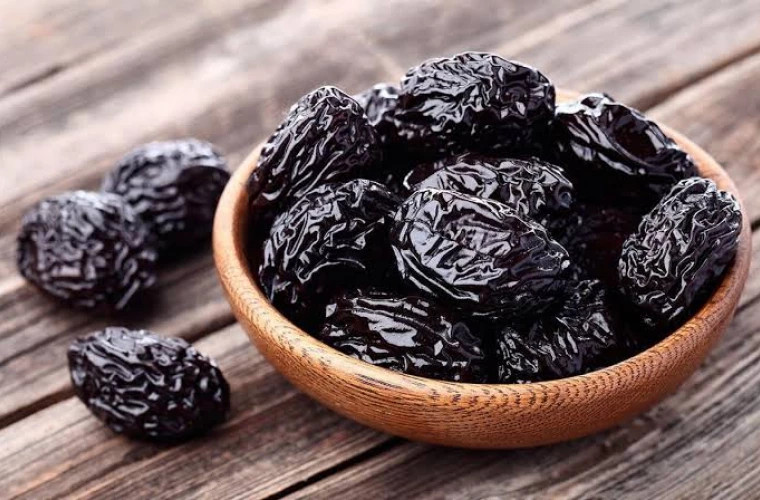
Moldova exported more than 10,000 tonnes of dried plums in 2025, establishing the processed fruit as a growing niche within the country’s agricultural export sector. Revenue from these shipments was three times the level recorded in 2020, according to noi.md.
The rise in earnings over five years reflects more than an increase in the volume of fruit sold abroad. Industry experts cited by the publication linked the expansion to investment in processing, the diversification of dried-plum products and a stronger focus on new destination markets. Together, these factors have enabled Moldovan suppliers to sell a larger processed volume and broaden their commercial reach.
EU access supports investment
Access to the European Union has been a central part of that development. Iurie Fală, executive director of the Moldova Fruct association, told Moldova 1 that Moldovan dried-plum producers began identifying partners in the EU after the country signed its Deep and Comprehensive Free Trade Agreement with the bloc.
According to Fală, the resulting expansion of exports to the EU market gave producers an additional reason to invest in the sector. The agreement therefore affected both market access and decisions within Moldova’s processing industry: the prospect of more buyers supported spending on the capacity and operations required to supply dried fruit rather than relying solely on fresh-plum sales.
Product diversification has also helped processors address a wider range of customers. The source did not provide a breakdown of destination countries, export prices or the value of revenue in either 2020 or 2025. It nevertheless identified the EU as an important source of new partnerships and connected those commercial relationships directly with the sector’s investment cycle.
Capacity leaves room for further growth
Moldova currently has the capacity to produce approximately 14,000 tonnes of dried plums annually. Compared with exports of more than 10,000 tonnes in 2025, that figure indicates an industry already operating at a commercially significant scale, while retaining some scope to raise output or domestic sales within existing capacity.
Fasă said Moldova has solid potential to produce dried plums and that the available volume is of interest to entrepreneurs investing in the field. For orchard operators, processors and investors, the sector combines a domestic fruit base with access to buyers in a large neighboring market. Processing also gives producers another route to market for the plum harvest and creates a product that can be stored and transported differently from fresh fruit.
The next stage will depend on whether processors can continue finding customers for the country’s available capacity. The reported figures show strong revenue momentum since 2020, but they do not establish how much of the increase came from higher shipment volumes, changes in product mix or export prices. For traders and investors assessing the sector, destination-level volumes, unit values and capacity utilization will be important measures of whether the recent growth can be sustained.