Moldova Considers Restoring Grain Import Licenses Until October 31
Vasile Tofan has proposed restoring Moldova’s grain import licensing system until October 31, according to nokta.md. The measure could support domestic farmers but may raise costs or restrict sourcing options for grain processors.
Proposal would restore temporary import controls
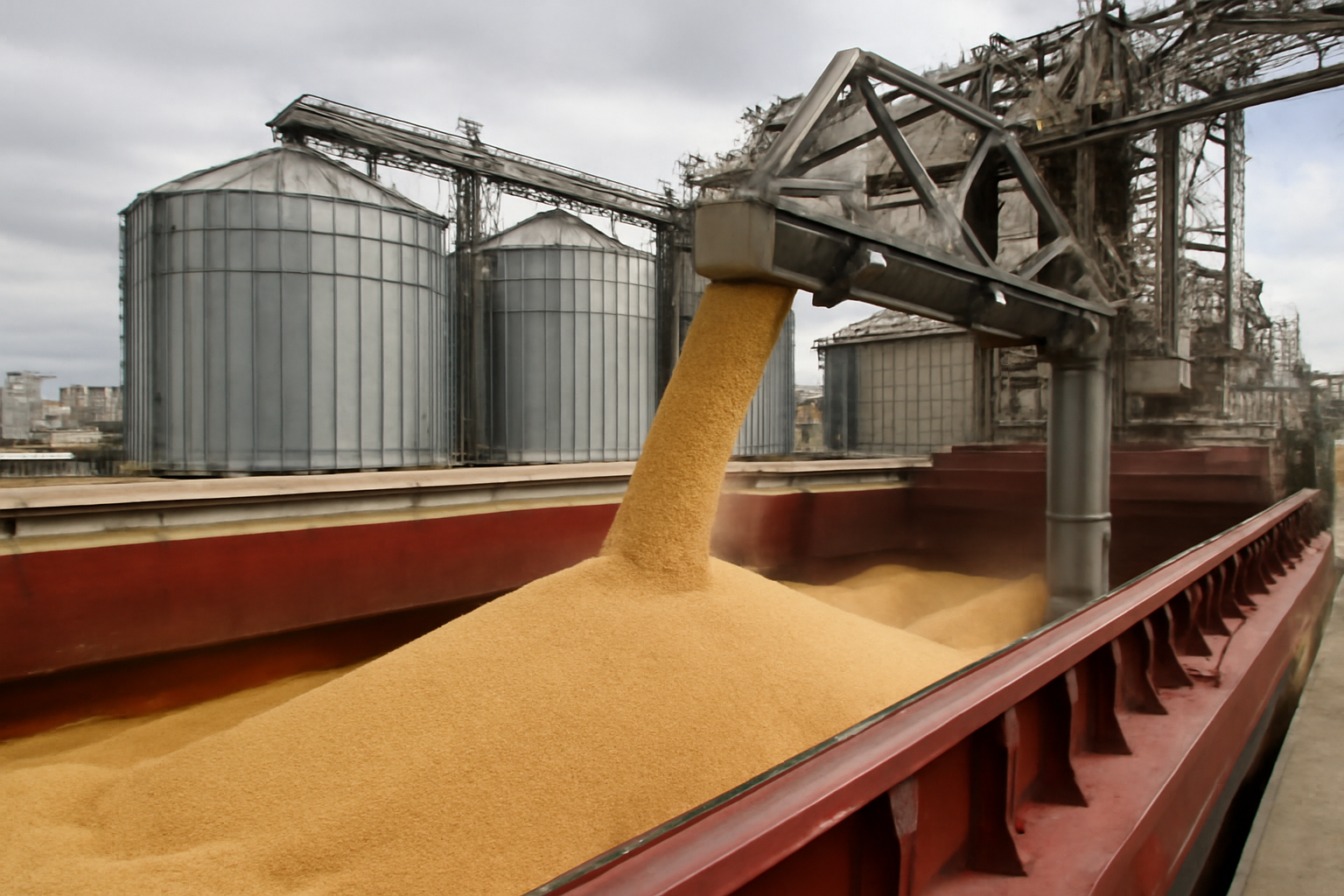
Moldova is considering the reinstatement of licenses for grain imports until October 31, according to nokta.md. Vasile Tofan proposed bringing back the licensing requirement as a temporary measure intended to protect domestic farmers.
The available report does not specify which grain categories would be covered, how licenses would be allocated or what conditions importers would have to meet. It also does not indicate whether the proposal has government support or when a formal decision could be taken. These details will determine how strongly the measure affects local prices, procurement and competition between domestic and imported grain.
A licensing system does not necessarily prohibit imports, but it places an administrative decision between foreign suppliers and the Moldovan market. Its practical effect therefore depends on the speed, predictability and volume of approvals. A system that continues to authorize shipments could primarily provide oversight, while restrictive or delayed approvals could materially reduce access to imported grain.
Farmers and processors face different risks
For Moldovan farmers, licensing could limit pressure from imported grain during the period covered by the proposal. Reduced foreign competition may give producers more room to sell domestic crops and negotiate with buyers. The benefit, however, will depend on local production volumes, grain quality and the purchasing requirements of processors.
Processors face the opposite risk. Companies using grain as a raw material need reliable access to suitable volumes and specifications. If domestic supply cannot meet those requirements, slower or more limited imports could increase procurement costs, complicate production planning or leave plants with fewer sourcing alternatives. The report itself warns that a measure designed to protect farmers could negatively affect processors.
The proposal therefore places two parts of the same supply chain in tension. Farmers seek protection from external competition, while processors depend on competitively priced and consistently available inputs. Importers and traders would also need clarity on application procedures before committing to purchases, transport and delivery schedules.
Implementation details will shape market impact
The October 31 end date defines the proposed measure as temporary, but the absence of operational details leaves its market impact uncertain. Authorities would need to determine the products covered, the criteria for granting licenses and the treatment of contracts already signed. Any exemptions or volume limits would also influence whether the system functions mainly as monitoring or as an effective restriction.
For industry participants, the central issue is not only whether licensing returns but how it is administered. Farmers will watch whether the measure supports demand for local grain. Processors will focus on access to raw materials, while traders will need predictable decisions to manage supply commitments. Until the rules and approval process are disclosed, companies cannot fully assess the proposal’s effect on availability or costs.