Limited molasses supply challenges Indonesia’s planned E20 bioethanol program
Indonesia’s planned 20% bioethanol blending program faces constraints beyond production capacity, Kontan reported. Bioethanol producers are also warning that limited molasses availability could restrict the supply of feedstock needed for E20.
Feedstock joins capacity as a key constraint
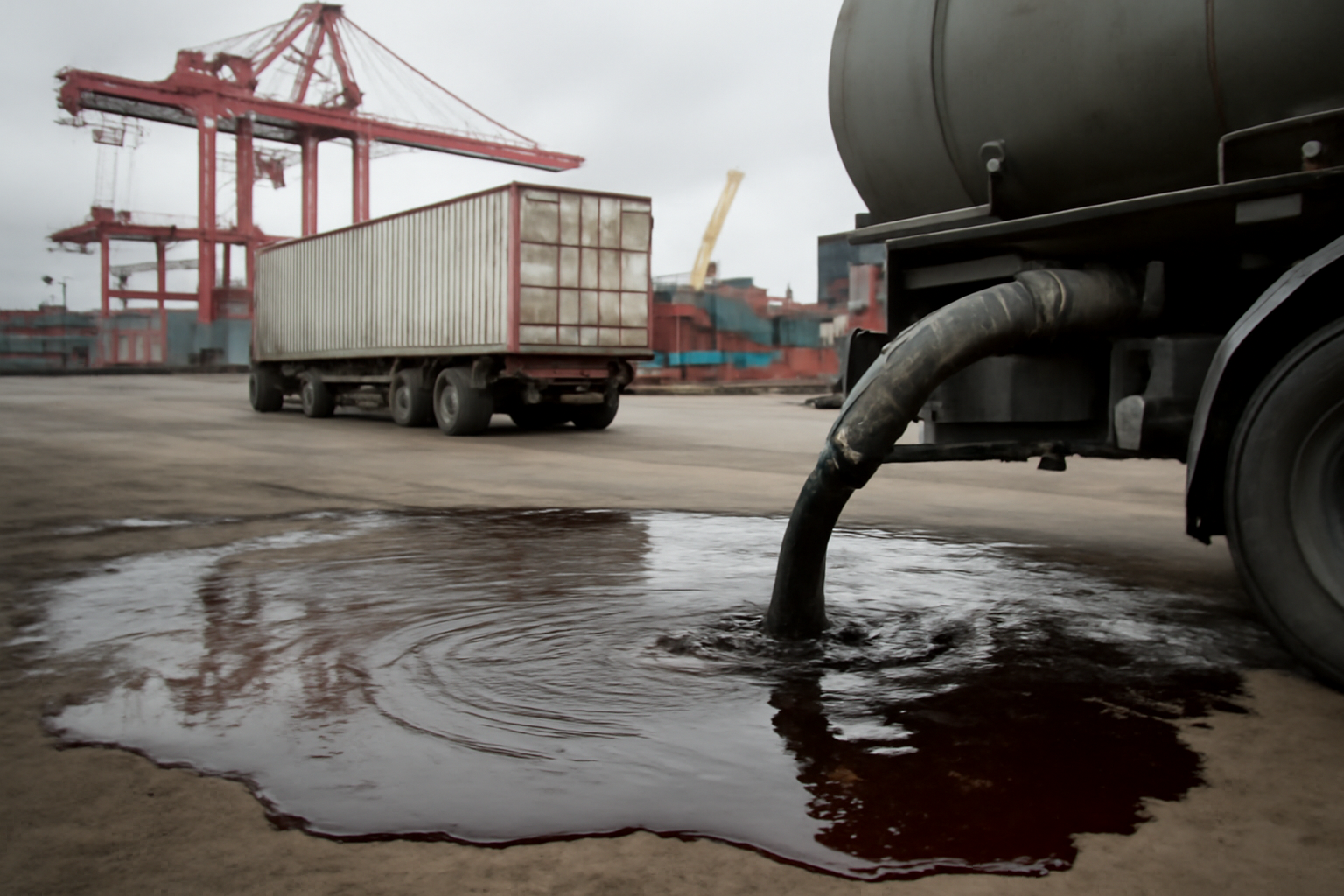
Indonesia’s plan to introduce a 20% bioethanol blend, known as E20, is encountering questions over whether the domestic industry can secure enough feedstock. Kontan reported that the proposed program faces not only limitations in bioethanol production capacity but also restricted supplies of molasses, a by-product of sugar processing commonly used to make ethanol.
The warning shifts attention from the number and scale of ethanol plants to the agricultural and processing base supplying them. Production capacity cannot be used fully if distilleries lack a consistent flow of fermentable raw material. For producers, the issue is therefore both industrial and agricultural: investment in ethanol facilities must be supported by sufficient sugarcane processing and dependable access to the resulting molasses.
E20 would require a larger and steadier supply
A 20% blending program would require fuel distributors to combine bioethanol with gasoline at a substantially higher proportion than under lower-blend products. The source material does not provide an implementation date, a projected volume requirement or current national ethanol output. Even so, the industry’s concern indicates that feedstock availability is already being treated as a practical condition for implementing the plan, rather than as a secondary issue to be addressed after capacity is built.
Molasses availability depends on sugar-processing activity and on competition from other users of the material. The supplied report does not quantify those competing uses or Indonesia’s available molasses volume. That absence makes it impossible to calculate the size of the prospective deficit, but it does not remove the operational risk: an E20 program needs predictable deliveries, while an irregular feedstock base can leave plants underused and complicate fuel procurement.
Implementation details will determine market impact
For ethanol producers and potential investors, the central question is whether feedstock supply can expand alongside mandated or targeted demand. Adding distillation equipment alone would not resolve a shortage originating earlier in the value chain. Producers would need confidence that molasses can be contracted in adequate quantities before committing capital or promising regular deliveries to fuel blenders.
The issue also matters to sugar processors, fuel companies and traders. Sugar mills could gain an additional outlet for molasses, but buyers may face tighter competition for available material if E20 advances without a corresponding increase in supply. Indonesia’s next steps will therefore need to clarify the program’s timetable, expected ethanol requirement and feedstock strategy. Until those details are available, limited molasses supply remains a visible bottleneck alongside production capacity.