Molasses prices complicate Indonesia’s planned E10 and E20 ethanol blending
Indonesia’s sugarcane farmers say molasses pricing remains an obstacle to future E10 and E20 gasoline blending. The concern highlights the need to align feedstock economics across farmers, sugar mills, ethanol producers and fuel suppliers.
Feedstock economics emerge as a central constraint
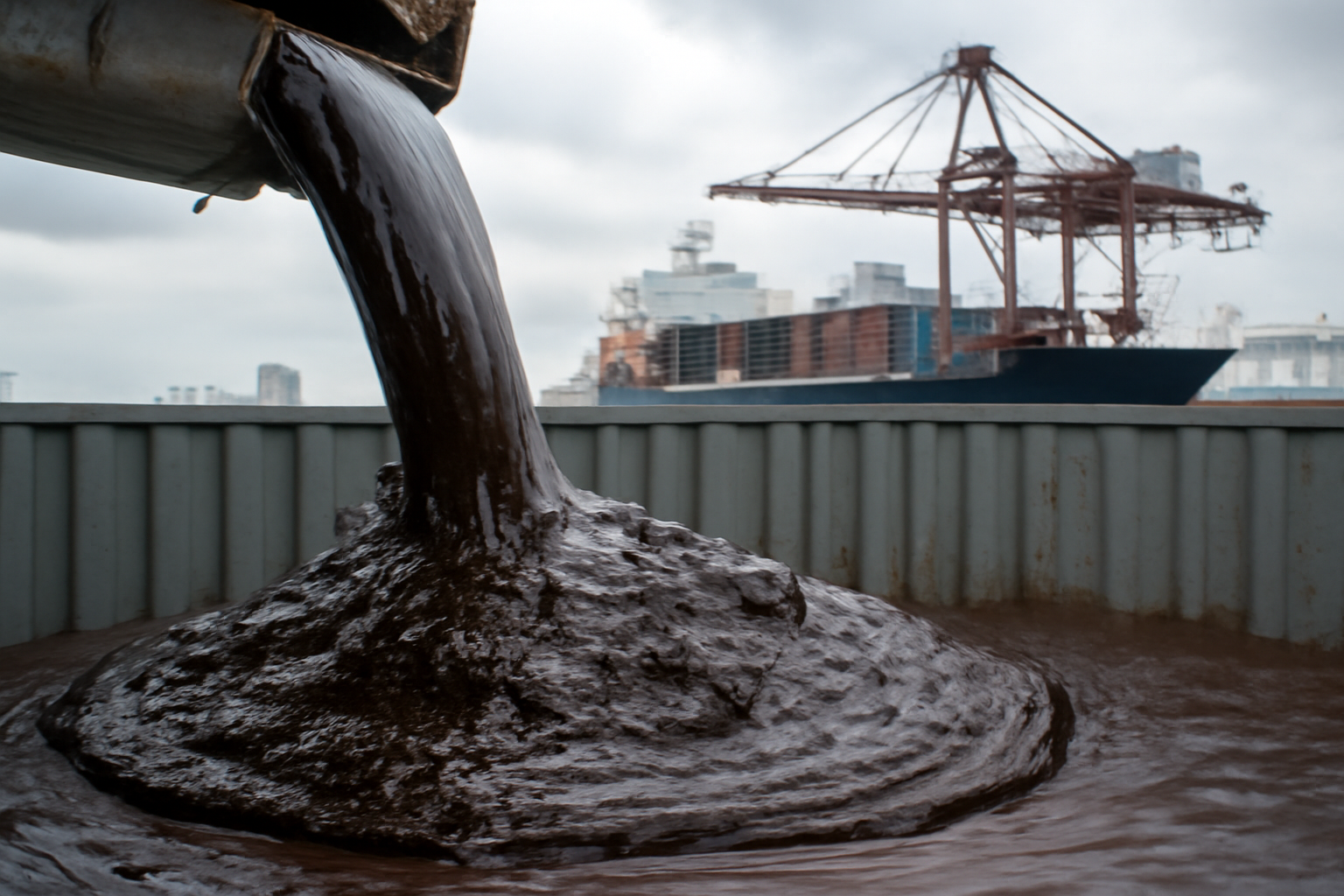
Indonesia’s plans to increase ethanol use in gasoline face a challenge from the economics of molasses, a sugar-processing by-product and potential feedstock for fuel ethanol. KONTAN reported that sugarcane farmers regard molasses prices as an obstacle to implementing gasoline containing 10% ethanol, known as E10, and eventually a 20% blend, or E20.
The farmers’ position brings the cost of the raw material into focus before higher blending levels are introduced. Molasses has value outside the fuel market, so ethanol producers must secure supplies on terms that are workable for farmers and sugar processors while still allowing the resulting fuel to compete within Indonesia’s gasoline market. A price that is attractive to feedstock sellers can raise production costs for ethanol manufacturers; a price that is too low can weaken suppliers’ incentive to allocate molasses to fuel production.
The challenge extends across the sugar and fuel chains
For sugarcane farmers, molasses is part of the value generated when cane is processed. Its price therefore affects the economics of cultivation alongside revenue from sugar. For refiners and sugar mills, directing more molasses toward ethanol could create an additional outlet, but only if purchasing arrangements, processing capacity and fuel demand develop together.
E10 requires ethanol to account for 10% of the gasoline blend, while E20 doubles that share to 20%. Moving between those levels would materially increase the amount of ethanol required for each unit of blended gasoline. That makes reliable feedstock procurement more important and increases the exposure of ethanol production costs to movements in molasses prices.
The issue is not simply whether molasses is technically suitable for ethanol production. Commercial terms must connect cane growers and mills with ethanol processors and, ultimately, fuel suppliers. If those terms fail to cover costs across the chain, ethanol capacity may not receive enough feedstock. If ethanol becomes too expensive, fuel blenders may face difficulty supplying E10 or E20 at commercially acceptable prices.
Policy design will determine who carries the cost
The farmers’ warning suggests that a blending mandate alone may not be sufficient to establish a durable market. Indonesia will also need a clear framework for feedstock purchasing, ethanol pricing and procurement by fuel companies. The allocation of price risk will matter for farmers, mills and ethanol plants considering production or capacity investment.
Longer-term contracts could provide greater visibility, but their effectiveness would depend on how molasses and ethanol prices are determined. Spot purchasing could offer flexibility while leaving producers more exposed to price swings. Any move from E10 toward E20 would amplify these questions because the higher blend would require a larger and more dependable ethanol supply.
For market participants, the immediate signal is that implementation depends on industrial economics as much as on the formal blending percentage. Farmers need a remunerative outlet for molasses, processors need sufficient margins to convert it into ethanol, and fuel suppliers need predictable volumes and costs. Unless those interests are aligned, molasses pricing could slow the transition from policy targets to consistent commercial production.